

India's largest carmaker, Maruti Suzuki, has seen demand in its entry-segment models rise by more than 96 per cent over the past year.
The first positive signs of GST 2.0 came during the festive season in 2025. A year later, the numbers suggest the effect has lasted well beyond the initial buying rush. In fact, India’s automobile dealers retailed more than three crore vehicles between October 2025 and August 2026, with volumes up nearly 20 per cent from the same period a year earlier. In the comparable period before GST 2.0, growth was below five per cent, according to the Federation of Automobile Dealers Associations (FADA).
"One year ago, a single, decisive reform rewrote the arithmetic of aspiration for millions of Indian families. On its first anniversary, the verdict sits in the numbers: in the eleven months since GST 2.0 took effect — October 2025 to August 2026 — Indian auto retail has registered *over 3 crore vehicles, growing nearly 20% year-on-year, against under 5% in the comparable year before the reform. In a single stroke, GST 2.0 quadrupled the industry's pace of growth," FADA President Sai Giridhar said.
Affordability Brings Entry-Level Buyers Back
The bigger question is where the additional demand for cars is coming from, and how much of it appears to be linked to affordability.
The numbers are particularly significant at the affordable end of the market. For a household moving from a two-wheeler to its first car, for example, the difference between considering a purchase and actually signing the papers can come down to the final on-road price. This is where GST 2.0 has made that calculation easier for many buyers.

India's largest carmaker, Maruti Suzuki, has seen demand in its entry-segment models rise by more than 96 per cent over the past year.
“A year ago, the landmark GST reform gave fresh impetus to India’s growth journey. At Maruti Suzuki, passenger vehicle (PV) sales grew about 36 per cent year-on-year (y-o-y) during April-August 2026. We are particularly encouraged by the entry segment’s growth of over 96 per cent, where improved affordability has brought mobility closer to many more people,” said Hisashi Takeuchi, Managing Director and Chief Executive Officer, Maruti Suzuki India.
This is also the part of the story that dealers and auto manufacturers are watching closely as the entry segment has always been under pressure due to rising vehicle costs, higher ownership expenses and shifting consumer preferences.
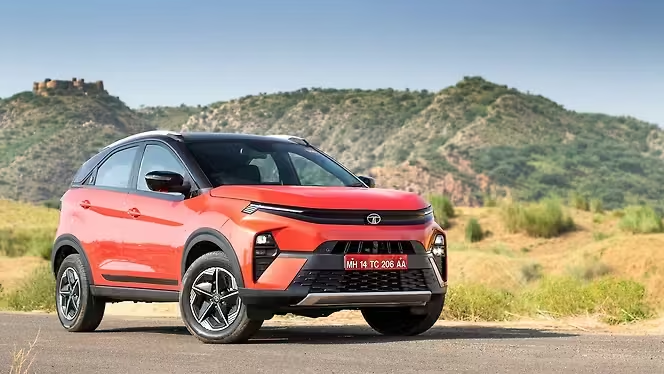
“A year ago, GST 2.0 provided a significant stimulus to the nation’s economy by improving affordability and energising consumer demand. The Hon’ble Prime Minister’s leadership in driving this progressive reform helped unlock aspirations across sectors including mobility, by making it more accessible. At TATA.CARS, we built on this enabling policy by passing on the entire benefit of the GST reduction to customers and reinforcing it with an exciting portfolio, compelling value propositions and continued innovation," said Tata Motors Passenger Vehicles MD & CEO Shailesh Chandra.
Demand Spreads Beyond Entry-Level Cars
The passenger vehicle market, however, is only one part of the brighter GST 2.0 picture. According to FADA, two-wheelers have returned to a peak last seen in 2018, while rural India has been growing faster than urban markets across categories.
"And the fruits have been structural, not seasonal. In this one year, the industry has posted its best-ever months across categories; two-wheelers — the truest barometer of mass India — have reclaimed a peak last seen in 2018; alternative fuels have, for the first time in history, overtaken petrol in passenger vehicles; and rural Bharat has begun to outpace urban India across the board. This is what a well-designed reform looks like when it reaches the last mile," the FADA president noted.
Rural And Two-Wheeler Demand Add To The Momentum
The effect is visible beyond the entry segment as well. Hyundai Motor India, which operates across several passenger-vehicle segments, has attributed the reform to a broader improvement in market accessibility and consumer confidence.
“The GST 2.0 reforms have been a significant catalyst for the Indian automotive industry, driving enhanced market accessibility and stronger consumer confidence. Since their implementation a year ago, the 4 lakh-unit monthly wholesale mark is the new normal, reflecting the sector's robust growth trajectory. The passenger vehicle industry has recorded a YOY growth of 15 percent plus during September 2025-March 2026 and 29 percent plus during April-August FY2026-27 clearly demonstrating the strong impact of these reforms," Hyundai Motor India MD & CEO Tarun Garg said.
GST Impact Extends Into SUVs, LCVs And Tractors
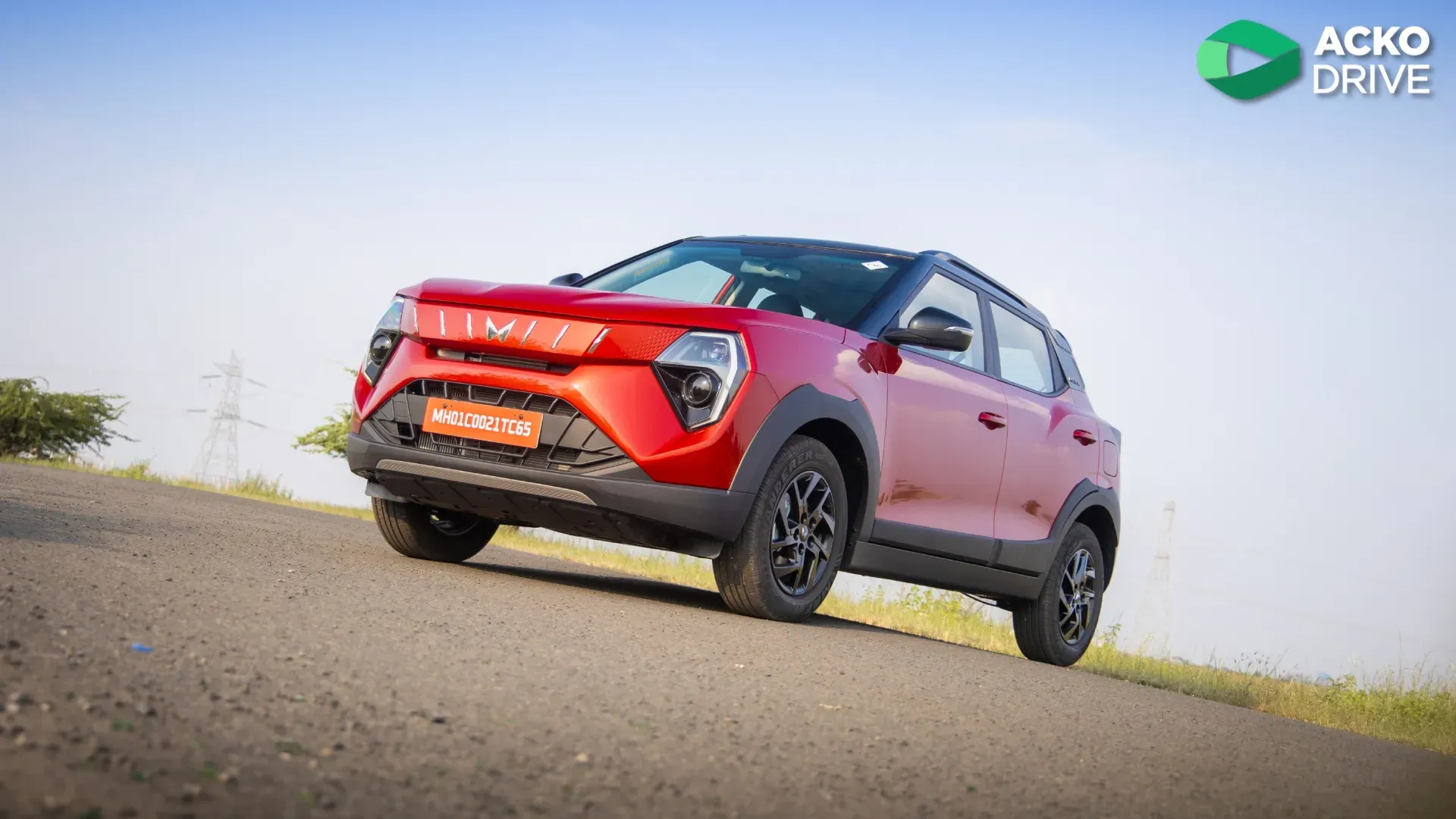
Mahindra & Mahindra says its SUV business has grown 17 per cent, while LCVs and tractors have grown 20 per cent since the GST rejig.
Mahindra Finance has also recorded higher vehicle disbursements, and the company says stronger customer cash flows have helped repayments.
"Over the past year, businesses at the Mahindra Group have seen a significant positive impact. Since the GST rationalisation, SUVs have grown 17%, while LCVs and tractors have grown 20%. Across our Hospitality, Real Estate and Logistics businesses, improved consumer sentiment and higher disposable incomes have also supported stronger discretionary spending and buying activity," said Anish Shah, Group CEO & MD, Mahindra Group.
"As a result of the enhanced demand, we are making further investments to increase capacity across multiple businesses. GST 2.0 demonstrates how structural reforms, when combined with strong consumer demand and business investment, can create a virtuous cycle of affordability, consumption, investment and growth," Shah added.