


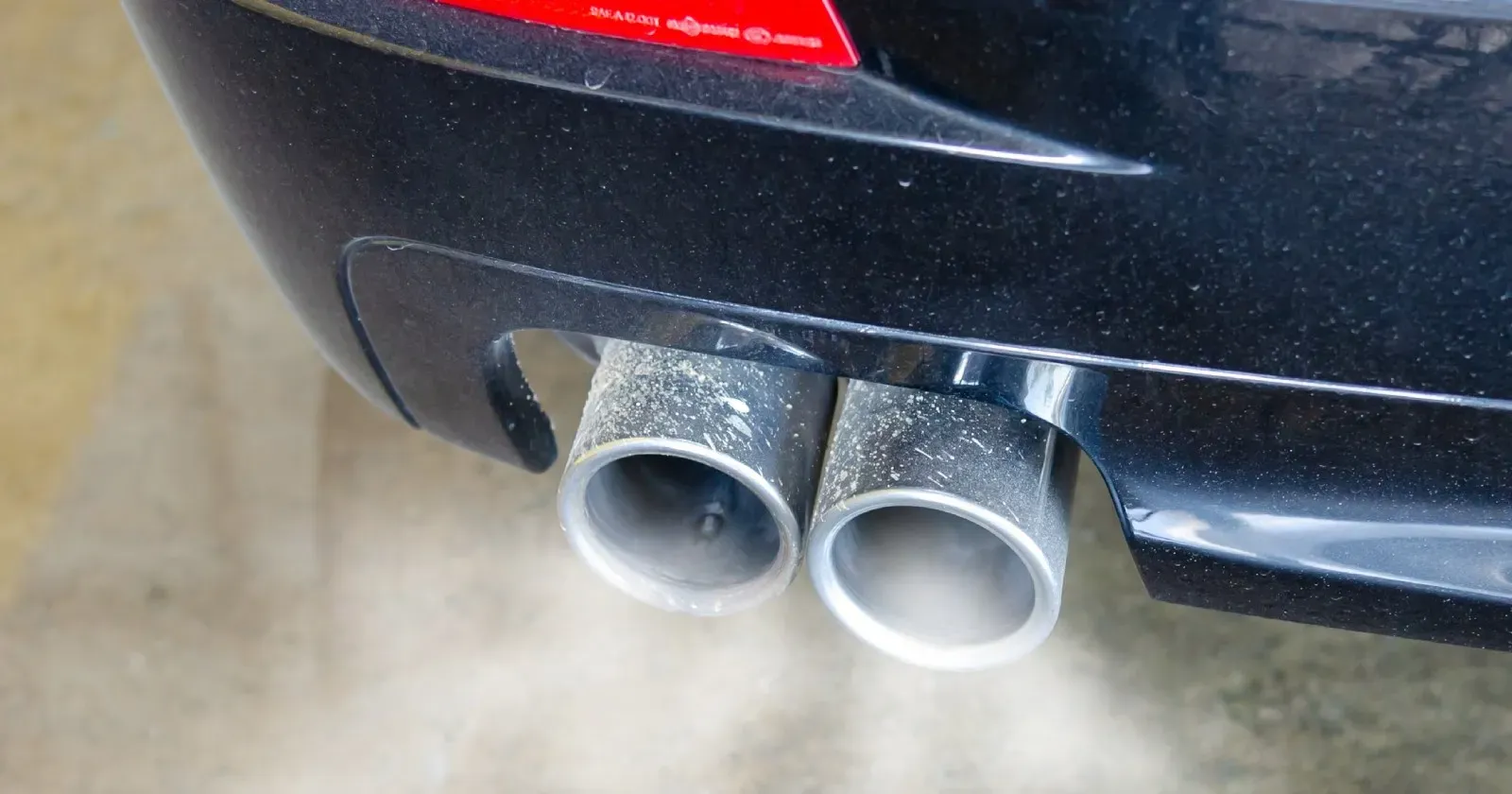
The Ministry of Road Transport and Highways (MoRTH) has suggested an overhaul to the way Pollution Under Control (PUC) certificates are issued and renewed in India. Instead of a flat schedule, vehicles built to meet different emissions standards over the years would have to be tested at more appropriate intervals under the proposed new rules. The ministry says such a move would “align the frequency of emission testing with age profile of vehicles, to reduce the compliance burden on owners of newer and cleaner vehicles, and to promote an efficient Pollution Under Control certification regime, while ensuring continued monitoring of in-use vehicle emissions”.
As per the notification, the revised schedule for renewals would mean that PUC certificate validity for BS-I, BS-II and BS-III vehicles across all categories would be limited to three months. BS-IV vehicles would have to be retested every six months. For the newer BS-VI regime, the ministry recognises transport and non-transport vehicles separately. Depending on vehicle age and type, the PUC certificate could be valid for anywhere between six months and three years. Three age brackets have been introduced for these vehicles, based on when they were first registered.
The rules generally reduce validity periods for older vehicles while increasing it for new, privately owned ones. They also unify different states’ norms under a single regime. The rules also incentivise scrapping older vehicles and replacing them with newer ones, built to tighter emissions standards.
The proposal also includes a transitional arrangement for PUC certificates issued before the new rules come into effect. from the date of their first renewal after the amendment comes into force. Additionally, if users apply to renew their PUC within ten days of expiry, the new one will take effect from the expiry date, eliminating any overlap leading to wasted days.
Certificates issued prior to the rollout of the new regime will remain valid till their original expiry dates, and vehicle owners will be bound by the new schedule only after their next renewal.