Survey methodology and the road ahead
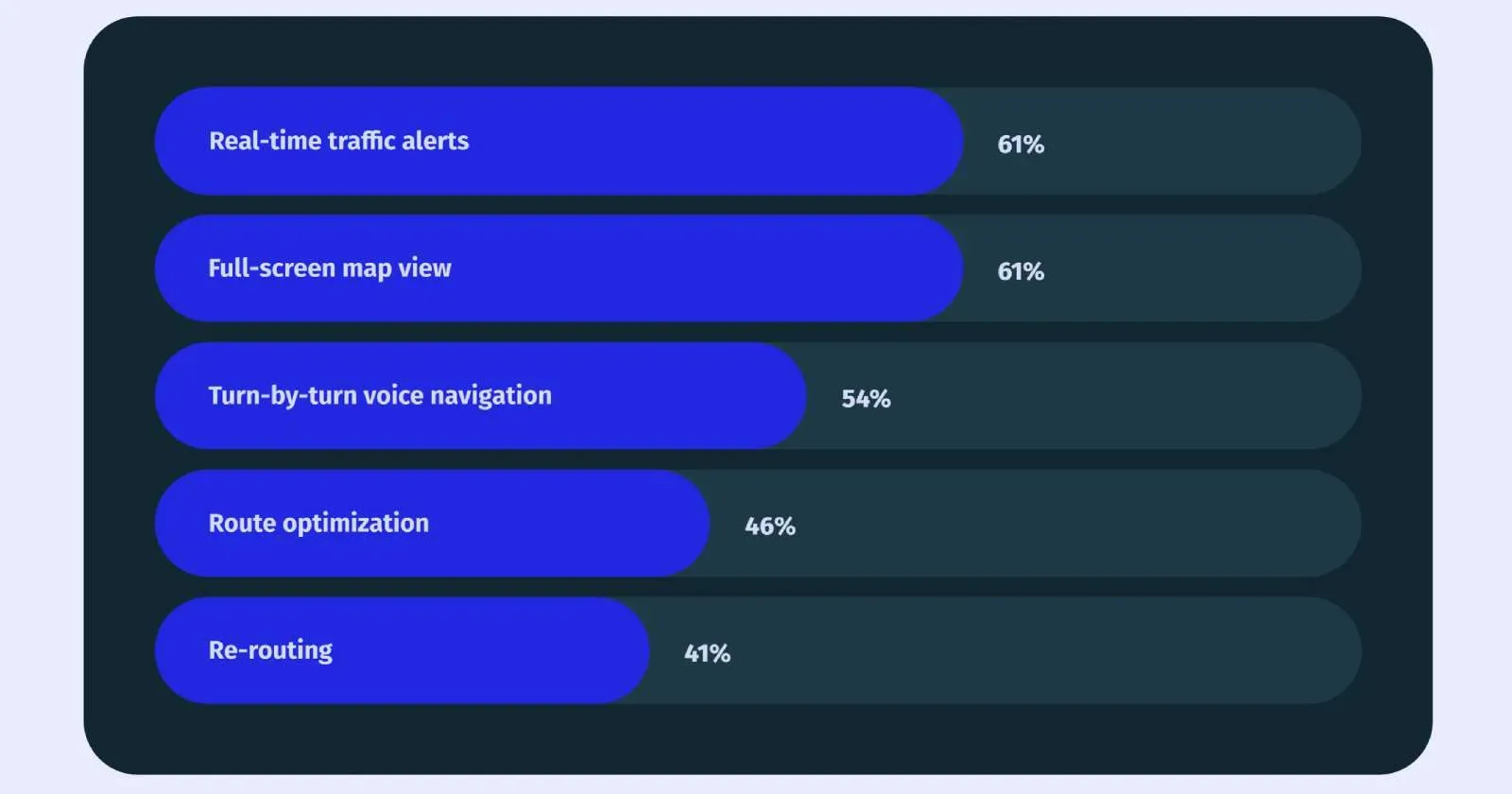
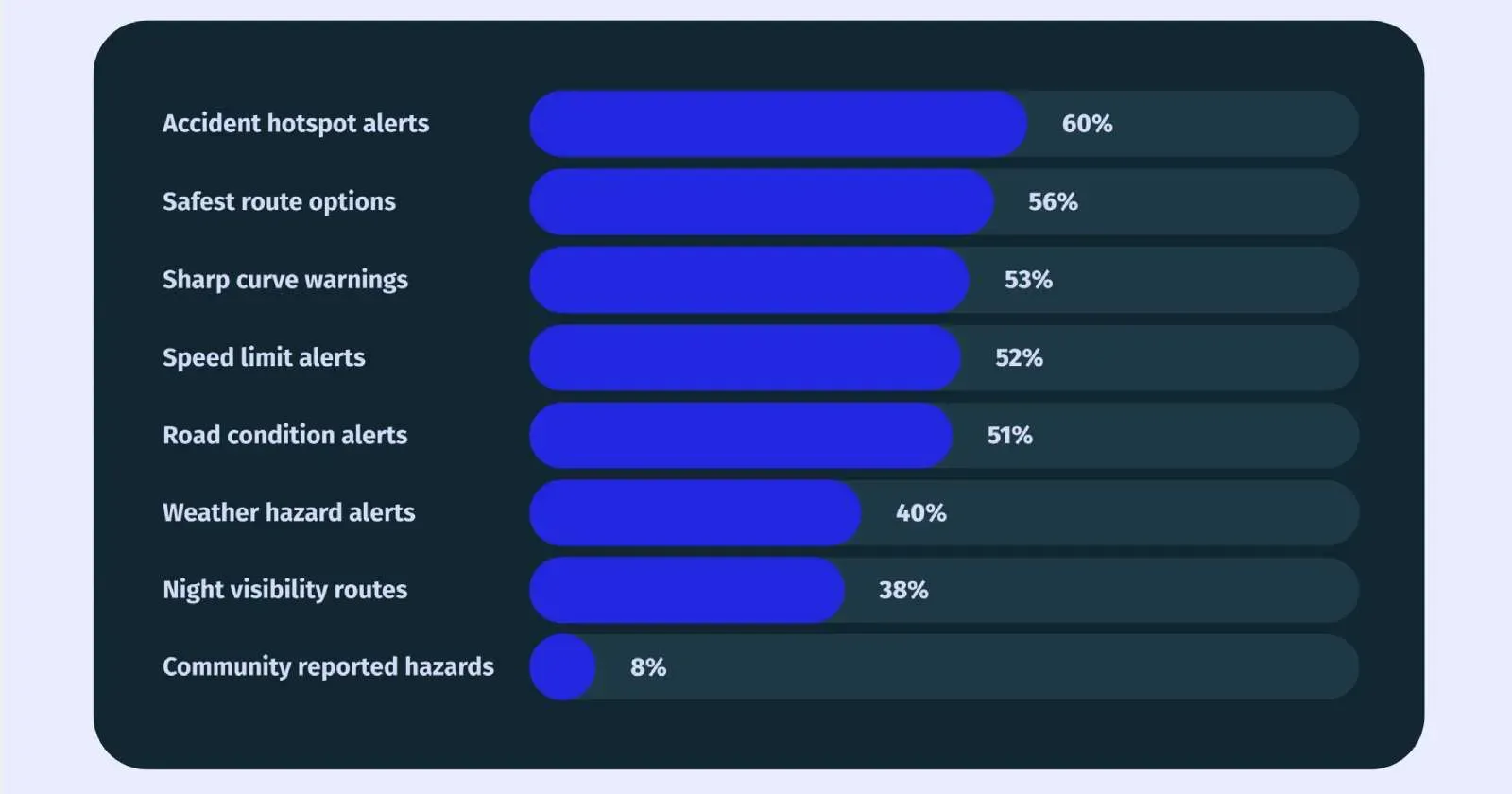
Survey participants were chosen from rural and urban areas, and the company says it polled male and female riders, aged 18–55. The study paid special attention to gig workers such as food delivery drivers and couriers, not only because their ability to earn money depends on how quickly and safely they can navigate to various destinations throughout each working day, but also because of the sheer scale of their contribution to local economies and mobility infrastructure.
While mapping software and services can promote safety, the act of using them while riding a bike could potentially introduce danger. ACKO Drive also asked Sengupta what the company is doing to reduce distraction while keeping riders engaged, and to to educate them about safe device usage.
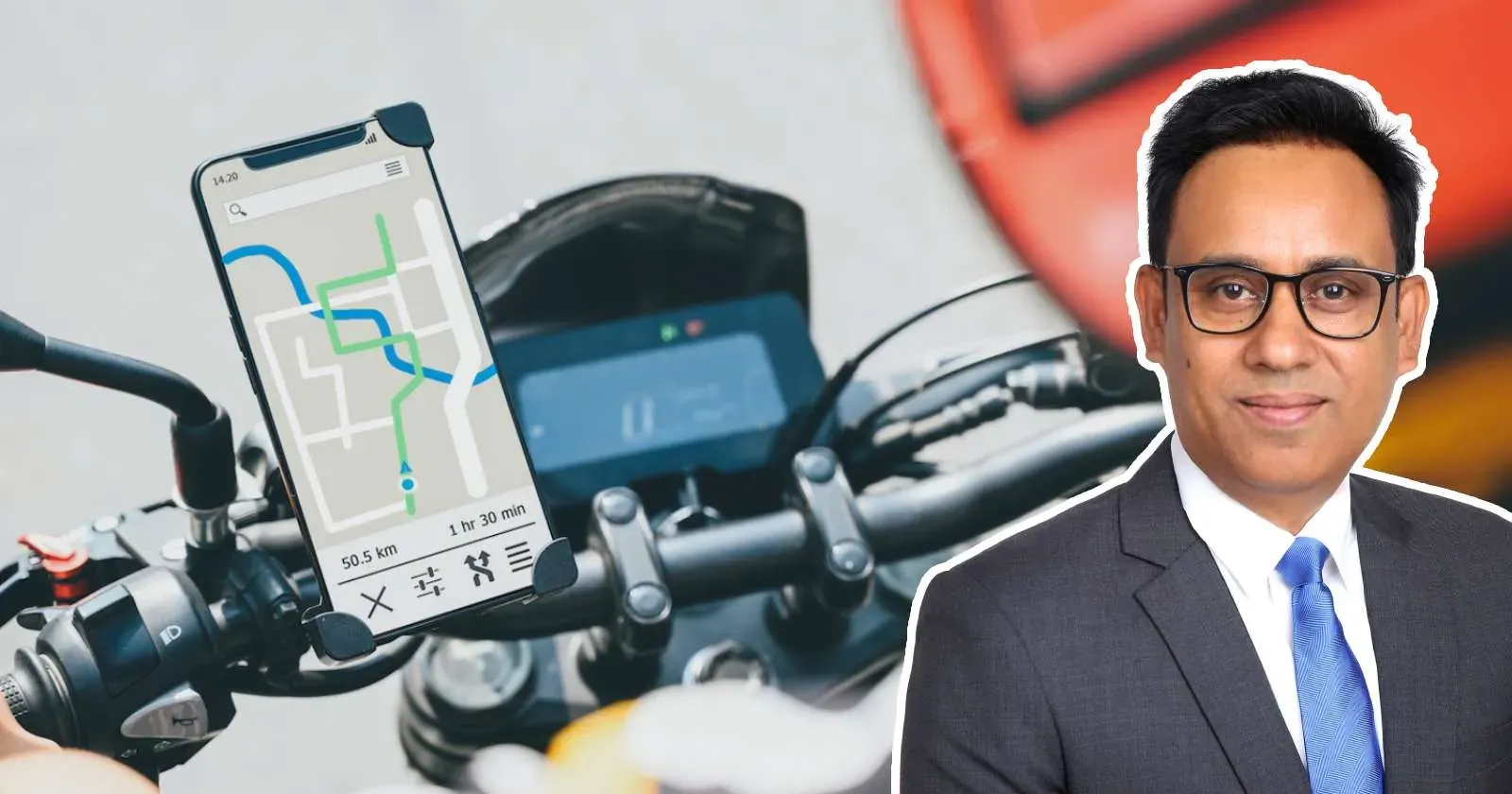
He said “Safety cannot come at the cost of distraction, especially in a market like India where 80 percent of riders say they feel at risk on the road. One of the clearest insights from our study was that riders value navigation that reduces cognitive load rather than adding to it. That is why we are seeing growing interest in Advanced Rider Assistance Systems (ARAS) and connected technologies, designed to support better decision-making on the road. High-quality map data and real-time location intelligence are critical to enabling these systems through intuitive voice guidance, lane-level prompts, real-time hazard alerts and smarter routing — helping improve awareness while minimising screen interaction.”
He added “This is also an area where we are actively innovating with partners. For example, our collaboration with Pioneer in India brings connected two-wheeler devices such as smart displays and ride recorders that integrate navigation, real-time traffic updates, speed alerts and emergency features into a dedicated, rider-friendly interface. These systems are designed to reduce reliance on handheld smartphones by delivering glanceable information, voice-led guidance, and seamless connectivity directly on the vehicle. We believe the most effective navigation system is the one that works quietly in the background, supporting better safety awareness and allowing riders to stay focused on the road ahead. In terms of awareness, the scale of the challenge is clear.”
ACKO Drive also asked how riders access their maps and navigation tools — using a smartphone, paired accessories, or natively via a bike’s own screen — and how this affects their usage experience. According to Sengupta, “We are seeing clear differences in how riders engage with navigation depending on the interface. Smartphone-based navigation offers the highest familiarity and interactivity, but it can also create more distraction and is less optimised for riding conditions. In contrast, integrated bike displays and Bluetooth-connected systems are designed to deliver more seamless and rider-focused experiences. In particular, we are seeing growing momentum around Bluetooth Low Energy (BLE)-based projection technologies, which enable navigation and key information from the smartphone to be displayed on dedicated two-wheeler screens in a more stable, low-power and rider-friendly way.”
He also said “While large-scale adoption data for Android Auto or Apple CarPlay on two-wheelers is still emerging, we are seeing growing experimentation through aftermarket accessories and OEM-integrated systems, reflecting rising demand for connected, app-enabled riding experiences. More broadly, connected mobility experiences designed specifically for motorcycles, electric scooters, e-bicycles and other emerging mobility options are evolving quickly. Riders increasingly expect intelligent, real-time navigation, connectivity, safety and convenience features to be built directly into the riding experience rather than treated as standalone tools. We see this as a significant growth area as OEMs continue investing in more connected, safety-focused and rider-centric two-wheeler vehicles and platforms.”
Some interview responses have been edited for length and clarity.