

SIAM noted that modern Bharat Stage VI-compliant two-wheelers sold after April 2020 already produce very low particulate matter emissions.
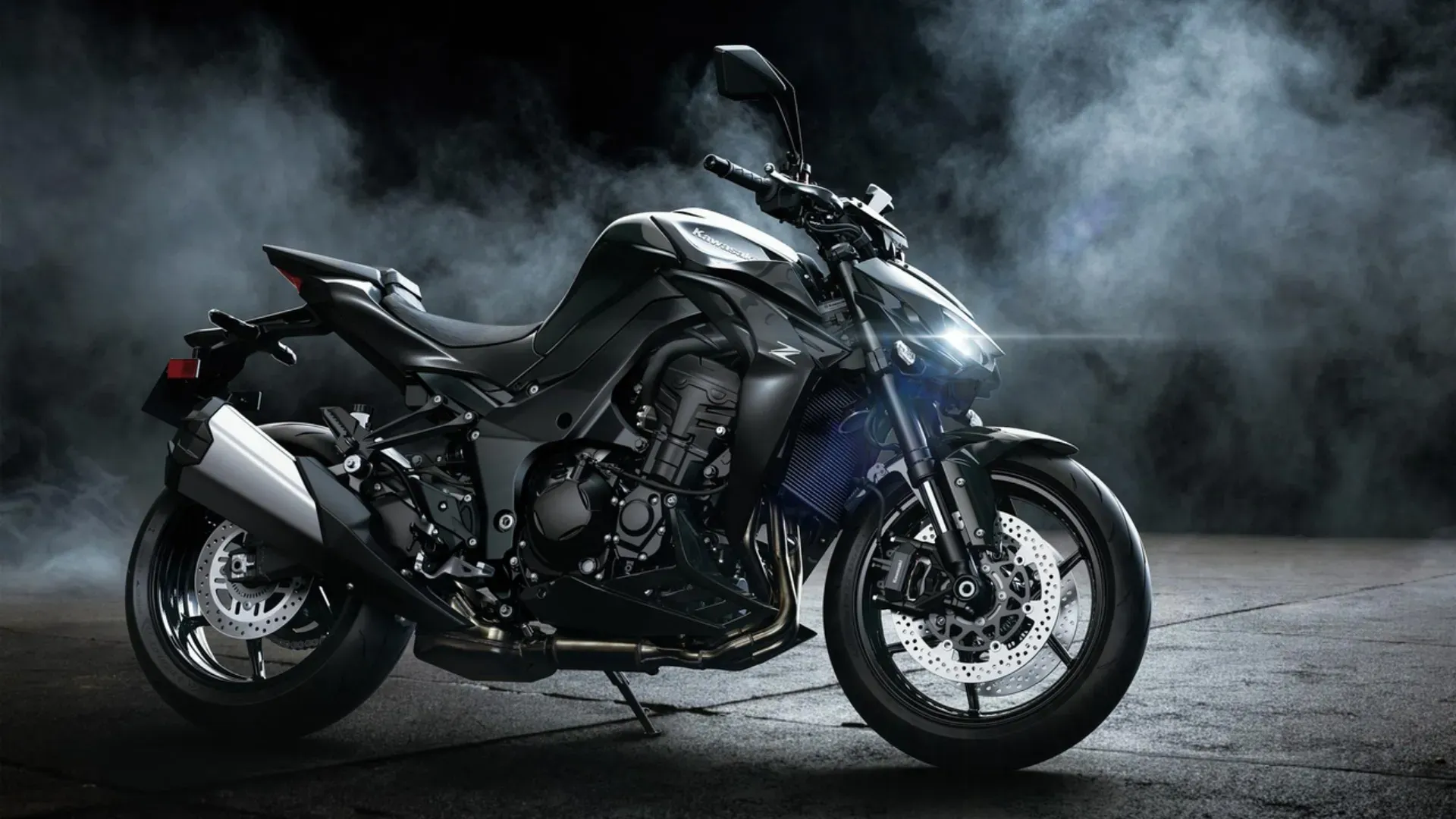
The Society of Indian Automobile Manufacturers (SIAM) has called on the Delhi government to reconsider a proposal that would halt new registrations of petrol-powered two-wheelers from April 2028, arguing the measure would offer little benefit to air quality whilst causing significant hardship for consumers who rely on such vehicles for everyday transport.
In a letter to Delhi Transport Minister Pankaj Kumar Singh, the industry body sought a review of Clause 8.2.1 of the draft Delhi Electric Vehicle Policy, which proposes that from 1 April 2028, only electric two-wheelers be permitted for new registration in the national capital territory, Autocar Professional has reported.
SIAM said it supports the Delhi government's broader ambition to promote electric mobility and expressed backing for the incentives outlined in the draft policy.
SIAM contended that modern Bharat Stage VI-compliant two-wheelers sold after April 2020 already produce very low particulate matter emissions, owing to the use of electronic port fuel injection systems and three-way catalytic converters.
"Banning their registration will not improve AQI in Delhi," the association stated.
"Removing them from the streets will help improve the AQI," it said, calling on the draft policy to prioritise phasing out older, more polluting vehicles rather than restricting registrations of newer BS VI models.
The remarks come as the Delhi government prepares a revised EV policy designed to accelerate electric vehicle (EV) adoption in the capital through demand incentives, an expansion of charging infrastructure and stricter electrification targets across vehicle categories. The proposed ban on new internal combustion engine two-wheelers is among the most far-reaching measures contained within the draft.
SIAM was forthright in its assessment, stating that the proposed restriction "will neither help improve AQI, nor is it practically feasible." The association also raised questions about the suitability of current electric two-wheeler technology for certain categories of users, particularly those with high usage demands.
"For high-demand users such as delivery workers or long-distance commuters current EV technology cannot yet match the price, range and load bearing of ICE engines," SIAM said. It noted that such use cases account for roughly 65% of all two-wheeler sales in both Delhi and the wider Indian market, warning that any restriction on BS VI-compliant models could result in "customer distress."
India remains the world's largest market for motorcycles and scooters, with petrol-powered models continuing to dominate overall sales despite growing electric vehicle uptake in recent years.
Delhi has nonetheless emerged as one of the country's leading EV markets, driven by state incentives and policy backing, as the city government pursues faster electrification to cut vehicular pollution and reduce dependence on fossil fuels.