

The internal wiring and electronics of the Mahindra BE 6, illustrating the complexity and density of modern tech-heavy cars.


Share Post
The internal wiring and electronics of the Mahindra BE 6, illustrating the complexity and density of modern tech-heavy cars.
Software-defined vehicles are changing the landscape of the global automotive industry, and today’s cars are much like smartphones and computers in the way they can run new software and receive updates over time. Current intelligence and connectivity capabilities mean cars now have advanced safety and autonomous driving features, and we are heading towards a reality in which vehicles and infrastructure are all parts of a much larger interconnected network. As this transformation unfolds, Indian manufacturers and software providers are developing solutions that must be not only future-ready but also safe, scalable, and user-friendly.
At the recently concluded Nasscom Technology and Leadership Forum 2026, a panel discussion between industry leaders aimed to shed light on the opportunities, constraints, and ground realities of this shift towards software-defined mobility.
Here are the key insights shared by Satish Sundaresan, CTO & Senior Vice President, Lumax Group; Rucha Nanavati, Chief Digital Transformation Officer - Automotive, Mahindra and Mahindra; and Kishor Patil, Co-founder, CEO and Managing Director, KPIT Technologies; with Mugdha Mishra, Editor, Media Strategy, Autocar India, moderating.
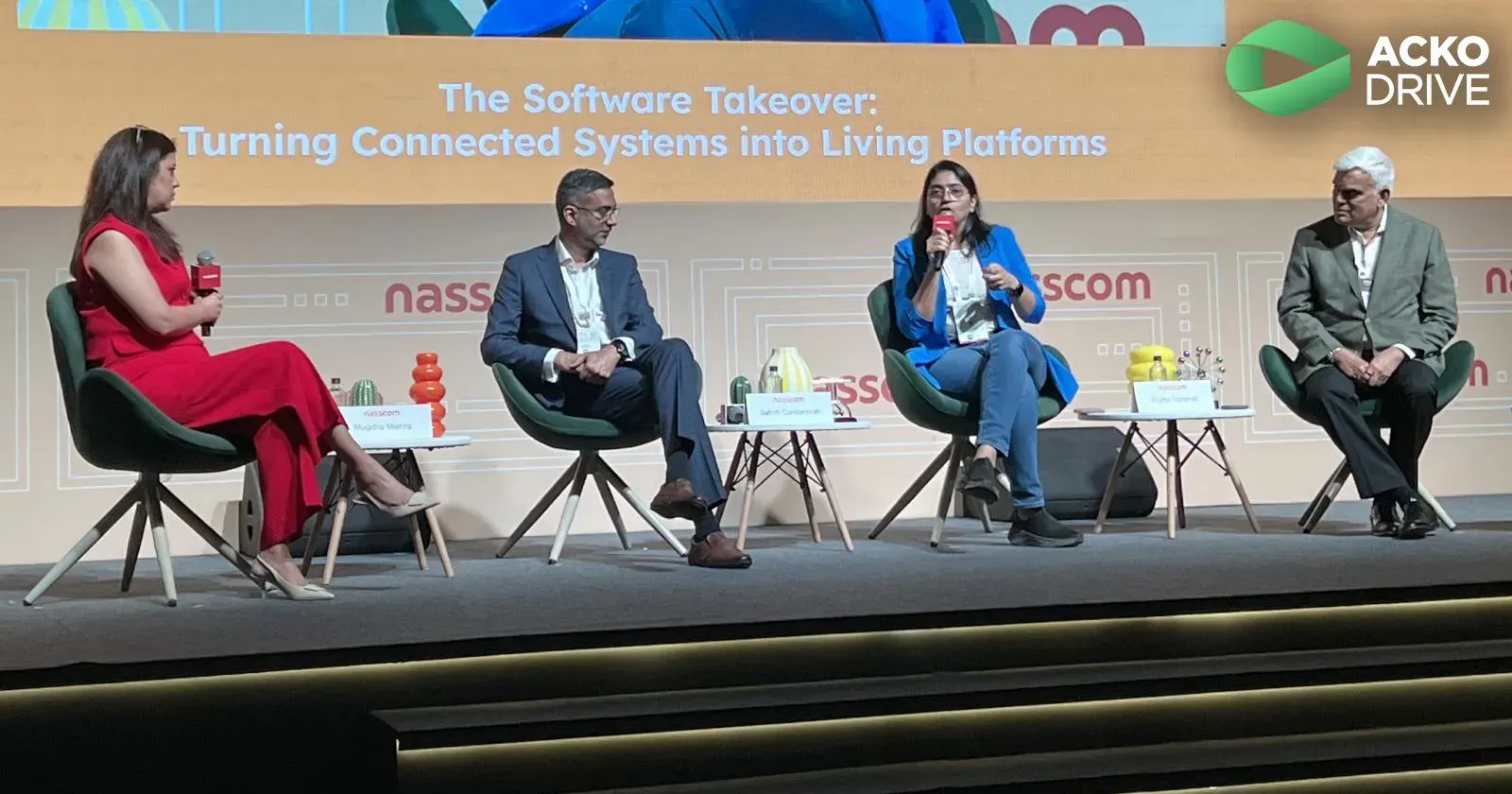
Rucha Nanavati: Jokingly, I like to say that everything is smart; I'm the only dumb thing left! There has been an architectural shift where you have stronger central compute that is handling a domain or a zone, and it reduces the complexity of wiring. That's platform-level. We have made that shift with earlier products, and then we went to platforms that are built for this.
The entire platform, Nu as we call it, is built for that kind of configurability and software abstraction, decoupling with hardware. Validation is software-first, we have digital twins to do all of this.
This has changed the shape of the supply chain as well. There’s a continuous improvement of what the living platform, the vehicle is. We are partnering for IP, we are partnering for customer experience, which is not a one-time thing, it’s a living thing. It’s the best use of technology.
Some risks have come in with it, because it is software. We have to make sure that safety can never take a backseat. Agility is not the answer or cannot be an excuse for not doing enough validation. You have the added burden of making sure cybersecurity is taken care of.
We’ve been ahead in India. The ecosystem started with getting a lot of help from outside of India, but is now very strongly, I believe, shifting here.
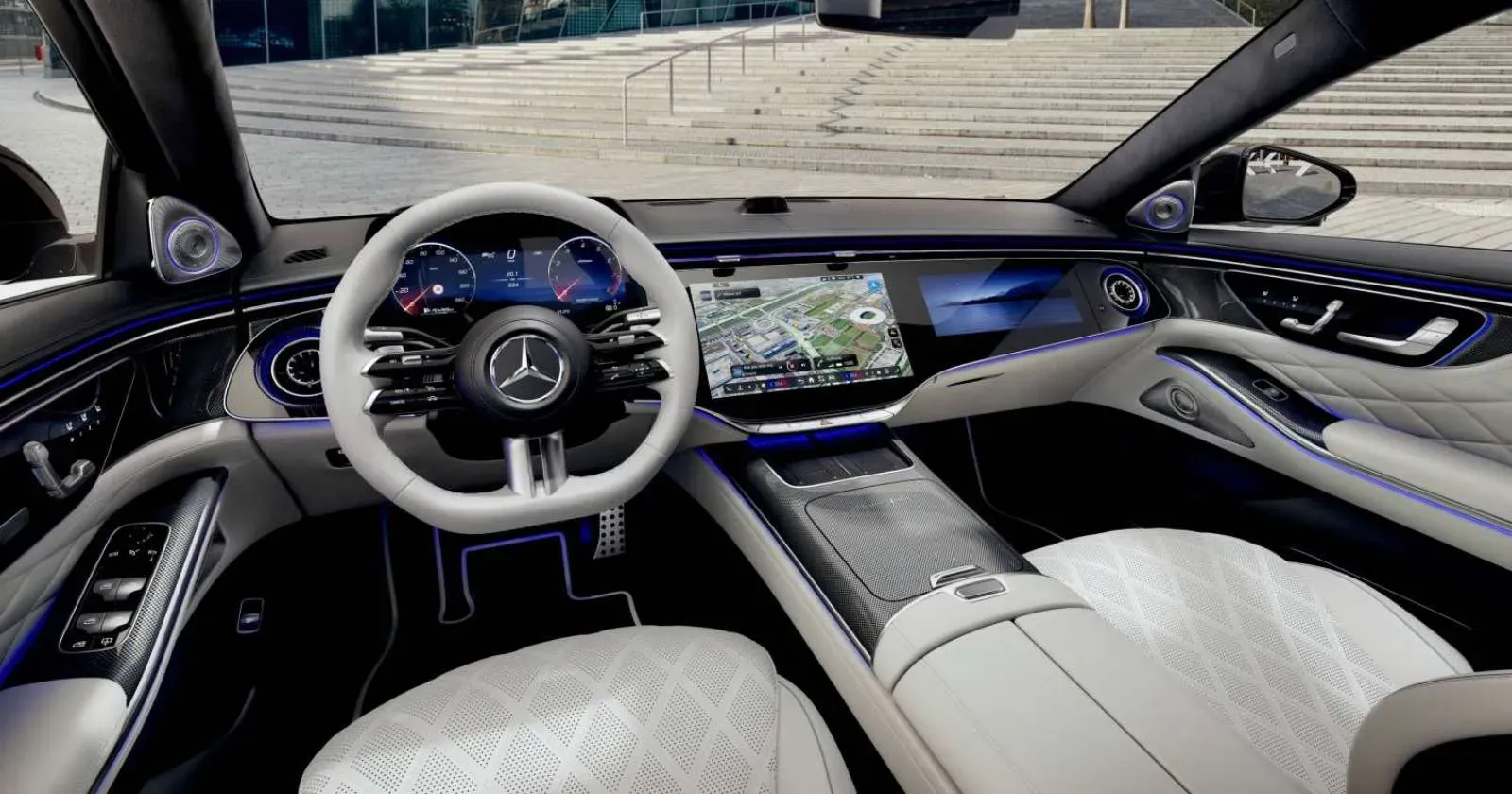
Kishor Patil: With the software defined vehicle, hardware is separate. A vehicle is on the road for 10–12 years, or now with electric cars it could be even 14–15 years. So, whenever you buy a car, it becomes old the next day, in some sense. Over-the-air updates can keep your features fresh over time.
The problem is that every time the software is updated, there is a risk of introducing bugs. You have to go through a validation cycle because things have changed in the software.
OTAs are used for adding features, and diagnostics to understand and fix mistakes. Platformisation is very important so that quality goes up, the cycle time comes down, and you are in a position to bring the vehicle to market sooner and make it more dependable. I think the next phase will be more about AI.
Satish Sundaresan: I think the best words to explain that would be “in transition”, but I have to break that down. Converting analogue to digital as step one. You start with digitalisation, and then you come to digital transformation. At least a part of the Indian automotive ecosystem is still digitalising.
I think the premium segment is where manufacturers have been able to reset the entire vehicle architecture. I see premium models and to some extent EVs being much closer to the SDV levels that we should be at. In the mass market segment, I think there's a lot of catching up to do, but you also have to understand that the value derived from say, an 8–10 lakh vehicle versus a 50 lakh vehicle is completely different.
Tech comes first to the most expensive vehicle, and then it should trickle down. By the time tech comes from a 1 crore vehicle to a 30 lakh model, for example, the assumption is that it has become a commodity.
Most of the vehicles sold in India are in the lower segment, so it’s also a function of market context and consumer behaviour. Let's say your budget is ₹10 lakh. If I tell you that your next vehicle is going to cost ₹2 lakh more because I'm going to put AI in it, how many of you would buy that vehicle? My bet is nobody. It costs money, but who pays for it? So if the end consumer is not, the OEM is squeezed.
OEMs have to completely reset their architecture. For change, you need a purpose, and for that, you need a positive cost-benefit analysis. I know many global brands have gotten worse financially because of the SDV transformation.
I think we've not understood yet as an ecosystem that software costs money. There is a lot of value, but it has to be procured or purchased. So there are a lot of layers of understanding that the ecosystem needs to bring in before we think about the benefits of SDVs trickling down.
Where India is really doing very well is in manufacturing. Manufacturing excellence is as good as it can be right now. My own organisation is using, for instance, vision-based AI systems for our quality inspections. Things that we didn't know about a year ago are already happening.
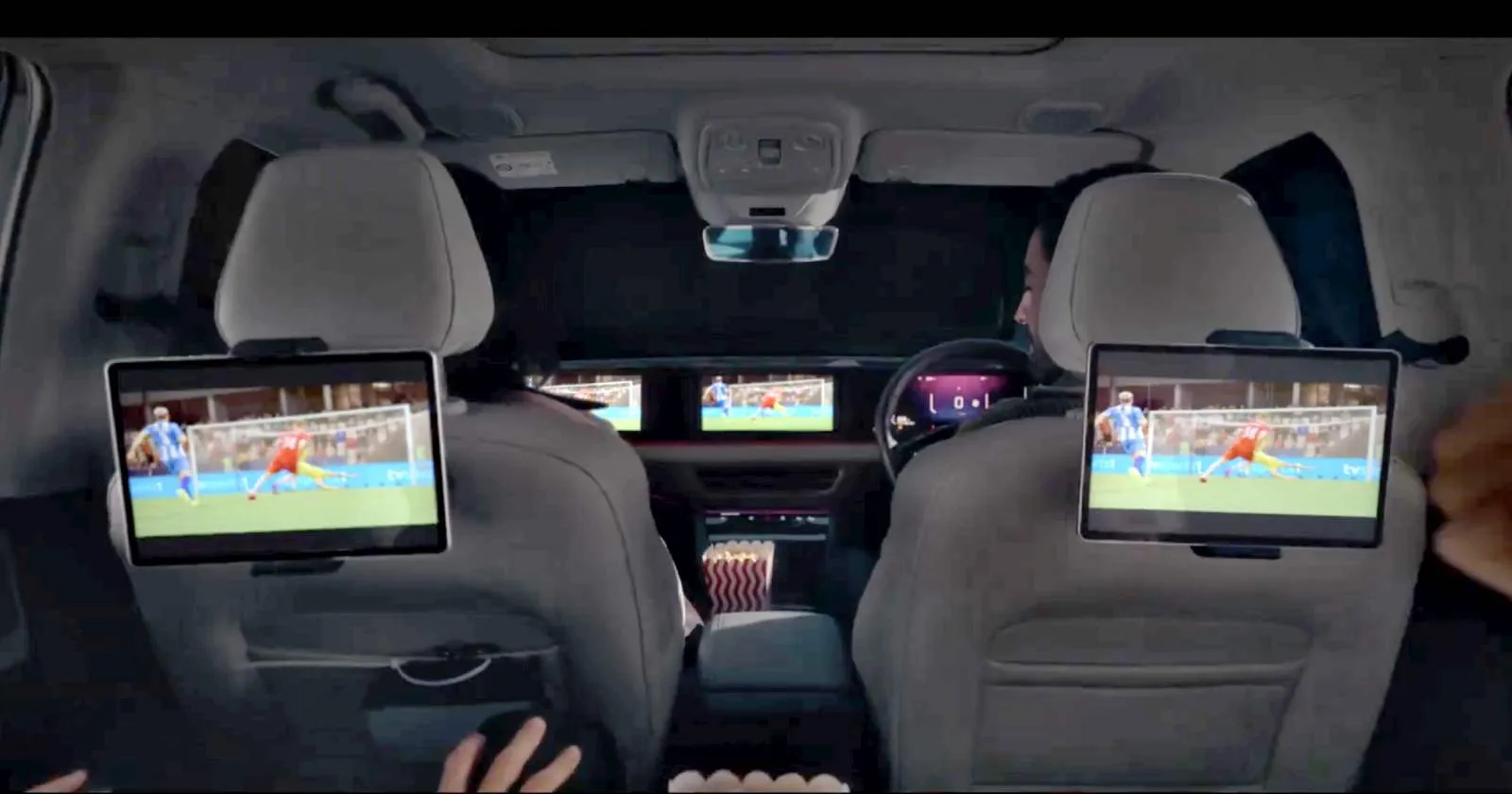
Rucha Nanavati: What used to take five years for a single automotive product is shrinking. I think software, while in the beginning it was an investment for sure, we have doubled down on it bigtime. It’s a very, very important part of our engineering organisation. We’ve even opened a completely different office because people who work on product engineering in the legacy way, and the people who work on software, are quite different and they need different things. They need different tools. So we are very heavily invested.
Kishor Patil: We actually always invest much ahead of time — three years, five years or more, and we are building products or technologies that OEMs will need. Right now they may not be a part of the production programme, but when they want it, that is not the time to reinvent. More specifically now with AI, most OEMs are lagging behind, globally. We work with OEMs and really address their requirements for the future.
For example, some years back, I remember every OEM used to come and say “we will write our own operating system and middleware”. No consumer is going to see it, and it is very hard to write an OS. We were of the opinion that it was not worth it. So we took a bet and invested, built the middleware, software, etc. And that is the trend now, you see. People are scattered, and there are many platforms which are critical but not differentiated.
Satish Sundaresan: The real answer is no. We speak about a concept called “Tier 0.5”, when [a supplier gets] integrated into an OEM to solve problems, while being of the suppliers who's quoting for a product. So but that hasn't happened. There are a variety of reasons. I think one is the OEMs trusting Indian tier-ones, and second, Indian tier-ones trusting themselves to do it. So, if you look at the Indian space, you have to understand that business is coming in because the tier-one has a joint venture partner, who brings in the tech. Our capability is manufacturing, so far. And that is something that needs to be, to be overcome.
Satish Sundaresan: Think about a pyramid. The bottommost tier is the easiest; that's the packaging, testing, inspection, assembly. India does anywhere between 50 and 70 percent localisation already. The middle part of the pyramid is SoCs running on 28nm and above [manufacturing processes]. Those are for telematics, those kinds of chips. Here, there is investment already from different groups, you've heard about Assam, Sanand, Tamil Nadu. Those investments are real, and I think we are getting better at that part.
But a big challenge when you look at SDVs and mobility, if you really want to own the brains, then you're looking at sub-7nm SoCs, and unfortunately, in India although there is already a claim that we have designed a 3nm chip, the key word is designed. We don't fabricate. I think this is now the biggest challenge, because we are moving to a phase where the most intelligent parts are not going to be within the sovereign rights of the country. This is a challenge, and we'll have to make an investment today to be ready by 2035.
Rucha Nanavati: [India is] part of this ecosystem and supply chain, we are part of this global order where everybody is impacted because chip manufacturing is very limited. If you had asked anybody here this question maybe 5–6 years ago, they would not have been so concerned. But some stark realities of the world have brought this up. When disruptions happen, you suddenly realise what parts of the world you are so dependent on. One was COVID and the second is now geopolitical instability.
Our overall national ethos says “wherever possible we will be independent”. We don’t want to be so dependent that we may have to shut down manufacturing lines if we don't have the right parts. We really want to have true independence, or even a leg up over others. This is something that we have to invest in. I believe it's a public-private play. It cannot be just one or the other. I think policies, for a long time, were protecting us from competition, and the way they have changed, it’s not so protective now but also not so open that we’re thrown into deep water. We’re still competing across the globe. We match European safety standards. We have cars being sold in South Africa and in Australia.

BMW M4 Repair Bill Goes Viral Online – Multi-Lakh Shocker for Headlight Replacement!
Acko Drive Team 8 Mar, 2026, 3:58 PM IST
Toyota Rumion MPV Gets New Entry-Level ‘E MT’ Variant, Lower Starting Price at ₹9.55 Lakh
Acko Drive Team 8 Mar, 2026, 1:17 PM IST
Honda Recalls Over 65,000 EVs in US After Digital Cockpits, Camera Views Go Blank
Acko Drive Team 8 Mar, 2026, 11:54 AM IST
Lotus Shocks with 948 bhp Hybrid SUV – 1200 km Range!
Acko Drive Team 8 Mar, 2026, 7:46 AM IST
F1 Australian GP 2026: Mercedes 1-2, Ferrari On Podium
Acko Drive Team 8 Mar, 2026, 7:20 AM IST

Looking for a new car?
We promise the best car deals and earliest delivery!
