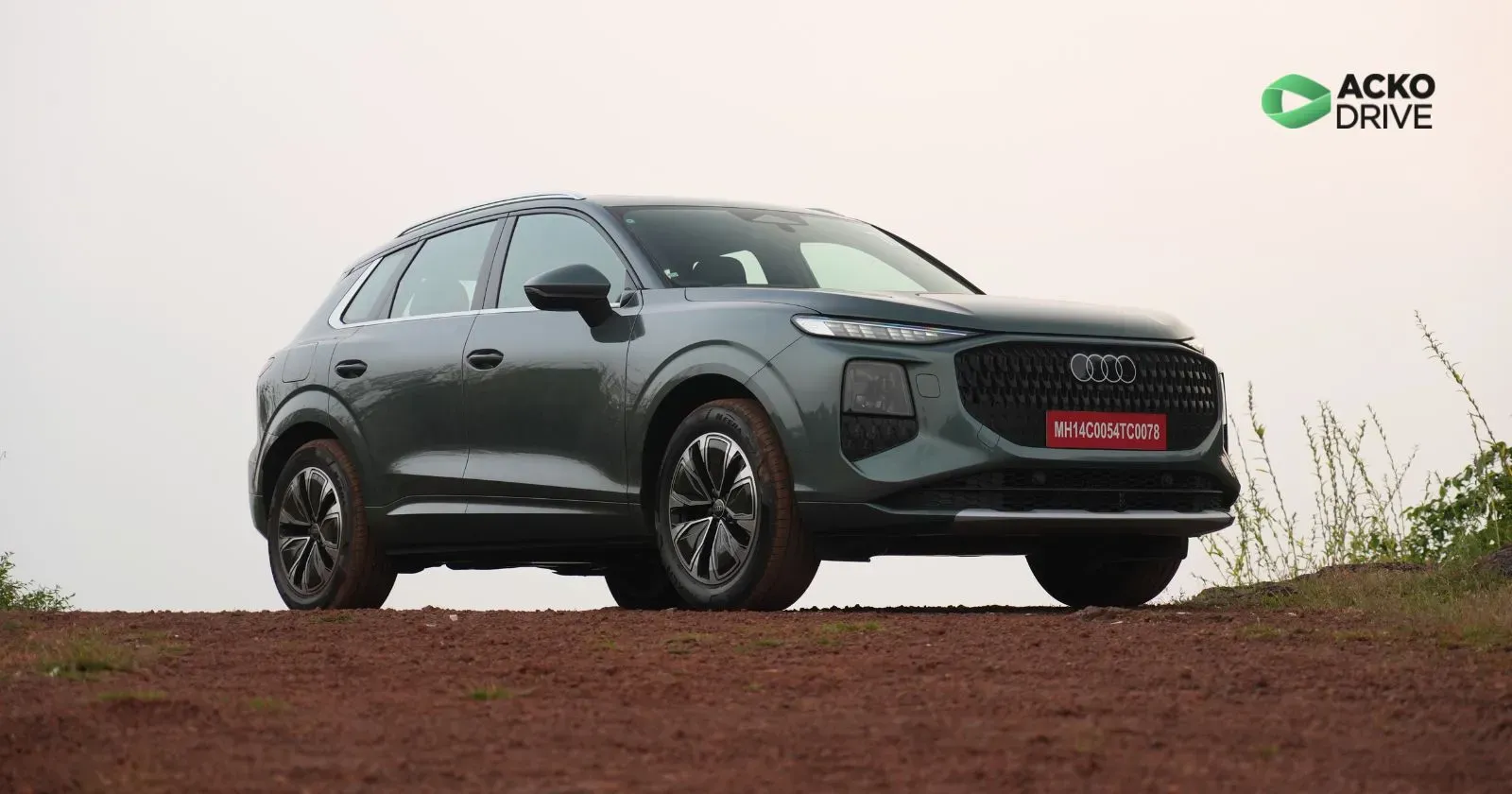


The new spending will take Stellantis's cumulative investment in India to around ₹15,000 crore by 2030.
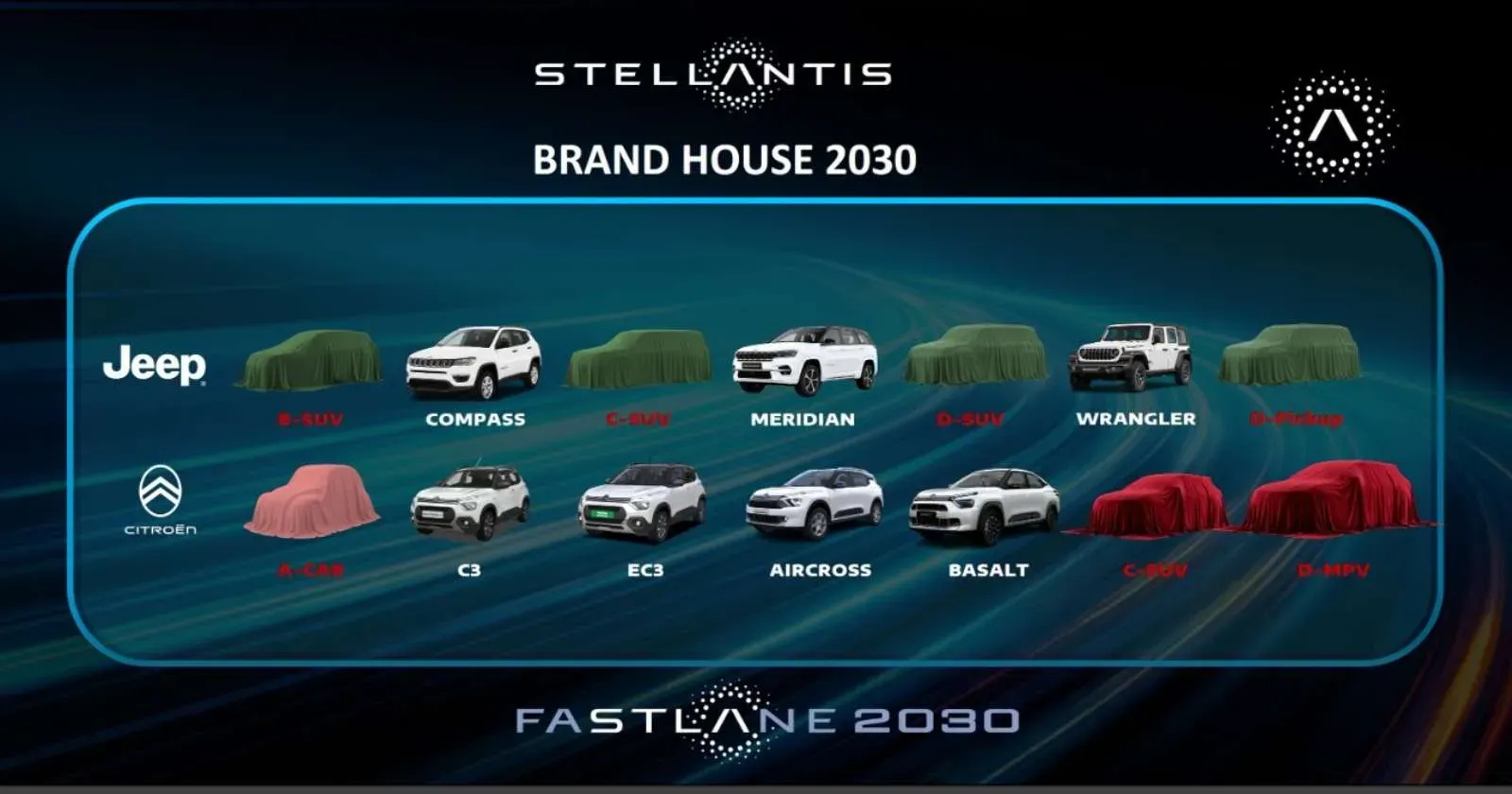
Stellantis announced on Wednesday the next phase of its India strategy, under which Jeep and Citroën will together introduce 12 products over the next three years — seven all-new models and five significant upgrades — backed by what the company described as fresh investment of approximately ₹4,000 crore (about €400 million). The plan, called FaSTLAne 2030, takes its name from the group's broader €60 billion global strategy unveiled earlier this year.
According to the company, the new spending will take Stellantis's cumulative investment in India to around ₹15,000 crore by 2030, up from more than ₹11,000 crore committed so far. The first product under the roadmap is scheduled to launch by the second quarter of 2027. The 12 launches will span the B, C and D SUV segments, an MPV, an A-segment hatchback, and a premium pickup, with Jeep said to be adding five models and Citroën seven.

In an exclusive interview with ACKO Drive, Tianshu Xin, Chief Operating Officer of Stellantis's Asia-Pacific region, said, " Out of the 12 new models, 7 will be completely new and 5 will be upgrades and that's between Jeep and Citroen" adding that the roadmap reflects the company's confidence in the market through 2030. Shailesh Hazela, CEO and Managing Director of Stellantis India, said the twelve launches would "broaden our market participation and give Indian customers more choice across segments and powertrains."
The announcement comes as Stellantis remains a modest presence in India's passenger vehicle market. Jeep and Citroën together account for well under one per cent of a domestic market that, per SIAM figures, hit a record 454,574 units in September alone. Jeep, which has not launched a genuinely new model in India since 2021, is not expected to do so again until 2027 under its own "Jeep 2.0" plan, while Citroën has relied on variant updates to sustain volumes.
Stellantis currently manufactures in India at Ranjangaon in Maharashtra — a joint venture plant with Tata Motors — and at Thiruvallur and Hosur in Tamil Nadu, alongside engineering and software operations in Bengaluru and an IT hub in Hyderabad. The Hosur plant exports roughly 95 per cent of the engines and gearboxes it produces. The company said it is targeting localisation levels of 90 per cent across both brands and plans a greater role for India as an export base, building on a technology-sharing agreement signed with Tata Motors earlier this month covering vehicles for more than 50 overseas markets.
Stellantis said future products would follow a "multi-energy" approach spanning petrol and diesel engines, hybrids, plug-in hybrids and battery-electric vehicles, with the choice of powertrain for each model guided by cost, regulation and infrastructure readiness. Details of individual products, specifications and launch dates, the company said, will be disclosed closer to their market introduction.