

Mahindra & Mahindra reported a 25 per cent rise in consolidated net profit to ₹4,588 crore for the July–September quarter, as robust demand for its sports utility vehicles offset a decline in tractor sales caused by deficient rainfall. Consolidated revenue climbed 25 per cent to ₹57,553 crore, the Mumbai-based group said at its analyst and press meet on Thursday.
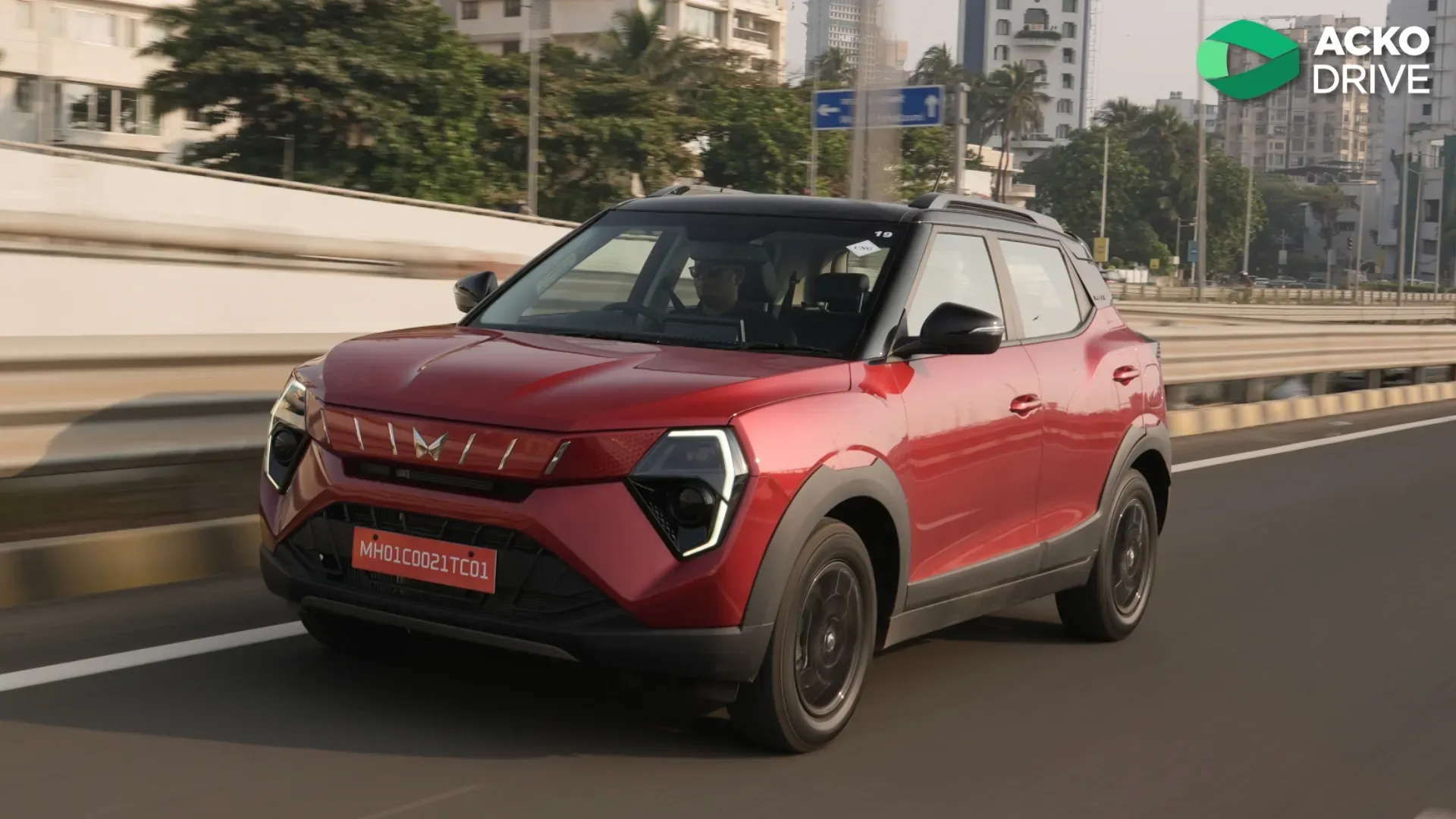
The automotive business was the standout performer. SUV volumes grew 26 per cent year-on-year to 183,000 units in the quarter, helping Mahindra retain its position as India's largest SUV maker by revenue market share, at 24.3 per cent. The auto segment's consolidated profit after tax jumped 55 per cent to ₹2,388 crore, even as margins eased slightly to 9.8 per cent from 11 per cent a year earlier, reflecting continued commodity cost pressure.
Also read: Mahindra XEV 9S Now Available with Captain Seats
Electric SUVs remained a bright spot. Mahindra's eSUV penetration stood at 12.7 per cent, ahead of the industry average of 11 per cent, with the XEV 9S emerging as the country's highest-selling electric vehicle in the quarter at 13,275 units. The company said it had crossed one lakh cumulative electric SUV sales since launch, and is expanding its Charge_iN ultra-fast charging network to 250 stations by the end of calendar 2027, from 59 currently.
The farm equipment business told a different story. Tractor volumes fell 6 per cent in the quarter, and Mahindra's domestic market share slipped 150 basis points to 41.5 per cent, as a weaker-than-expected monsoon curbed rural demand. The company said the southwest monsoon came in at 87 per cent of the long-period average, down from an earlier forecast of 92 per cent, with reservoir levels in states such as Maharashtra and Karnataka running well below normal. Farm segment profit after tax declined 9 per cent to ₹1,053 crore, though core tractor margins held up at 17.6 per cent despite steep input cost inflation.
Mahindra's last-mile mobility business, which makes electric three-wheelers and small commercial vehicles, continued to expand rapidly, with sales volumes up 37 per cent year-on-year. The unit has now achieved unicorn status, valued at ₹10,822 crore, and commands a 36.2 per cent share of the electric three-wheeler market. The company said it has sold 400,000 electric vehicles in this segment to date.
On capacity, Mahindra said it had met its first-half targets for SUV and electric vehicle production and remained on track to lift total automotive capacity to 82,000 units a month by the end of this financial year, from 64,500 units at the close of the previous one. A new plant is planned in Nagpur to support future launches, doubling capacity again by 2031.
Looking ahead, the company expects tractor demand to stay flat for the year, while SUV volumes are projected to grow in the mid-to-high teens and the light commercial vehicle segment is expected to post double-digit growth. Executive director and chief executive for the auto and farm sectors, Rajesh Jejurikar, said the group's businesses had shown resilience through a volatile quarter, with pricing actions, supplier diversification and capacity additions helping cushion the impact of rising commodity costs.
For an industry still navigating uneven rural demand and input cost pressures, Mahindra's performance underscores a broader trend: SUVs and electrification continue to anchor growth even as the tractor cycle turns more uncertain.