

A joint study by the University of Washington (UW) and Toyota Research Institute (TRI) has quantified the distracting effects of in-vehicle touchscreens on drivers.
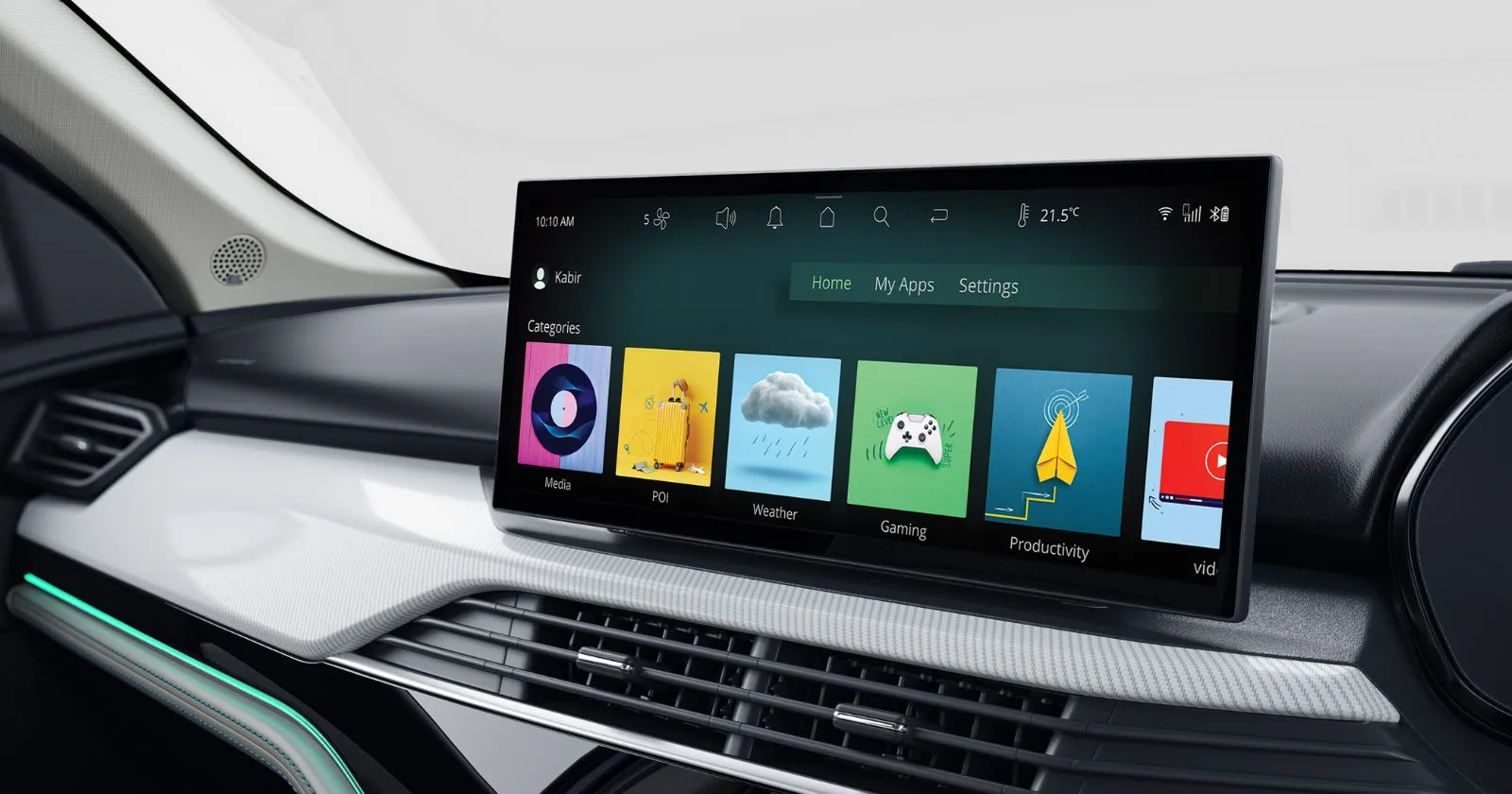
Over the past two decades, large touchscreen infotainment systems have replaced physical buttons and knobs in many vehicles, becoming a key marketing feature. The study confirms that interacting with these screens during driving reduces both road safety and task efficiency.
Sixteen participants used a high-fidelity driving simulator while performing touchscreen operations and memory tasks simulating real-world cognitive demands. Researchers monitored eye movements, hand actions, pupil dilation, and skin conductivity to assess mental workload.
Results showed touchscreen interactions cut pointing accuracy and speed by over 58% compared to stationary conditions. Lane deviation rose by more than 40%, indicating poorer vehicle control.
Under higher cognitive load, drivers shortened glances at the screen by 26.3% but adopted riskier “hand-before-eye” behaviour (increasing from 63% to 71%) where they reached for controls before looking.
The tasks involved everyday functions like audio adjustments or messaging, which manufacturers design for in-motion use through multi-level menus. These require simultaneous visual, manual, and mental attention, unlike traditional controls.
Researchers noted that simply enlarging on-screen buttons did not help, as drivers often moved hands prematurely, creating visual search bottlenecks.
To improve safety, the study recommends smarter interfaces: persistent direct access to frequent functions, predictive inputs, larger/high-contrast targets, and load-sensitive systems using sensors (e.g., eye-tracking or steering wheel touch) to detect high cognitive demand and temporarily restrict non-essential features or prompt refocus.
While physical controls are returning in some cars, screens remain dominant due to their flexibility and aesthetic appeal, and therefore, optimising them for safety is paramount.