

The ruling could reshape how Indian cities, road agencies and mobility planners balance vehicle movement with pedestrian safety. (Image credit: Unsplash)
The Supreme Court’s declaration that citizens have a fundamental right to walk safely on demarcated footpaths marks a significant intervention in India’s vehicle-first road culture, placing pedestrian access at the centre of constitutional and urban mobility debate. A bench of Justices P S Narasimha and A S Chandurkar held that the right stems from Articles 19 and 21 of the Constitution, covering freedom of movement, life, and personal liberty.
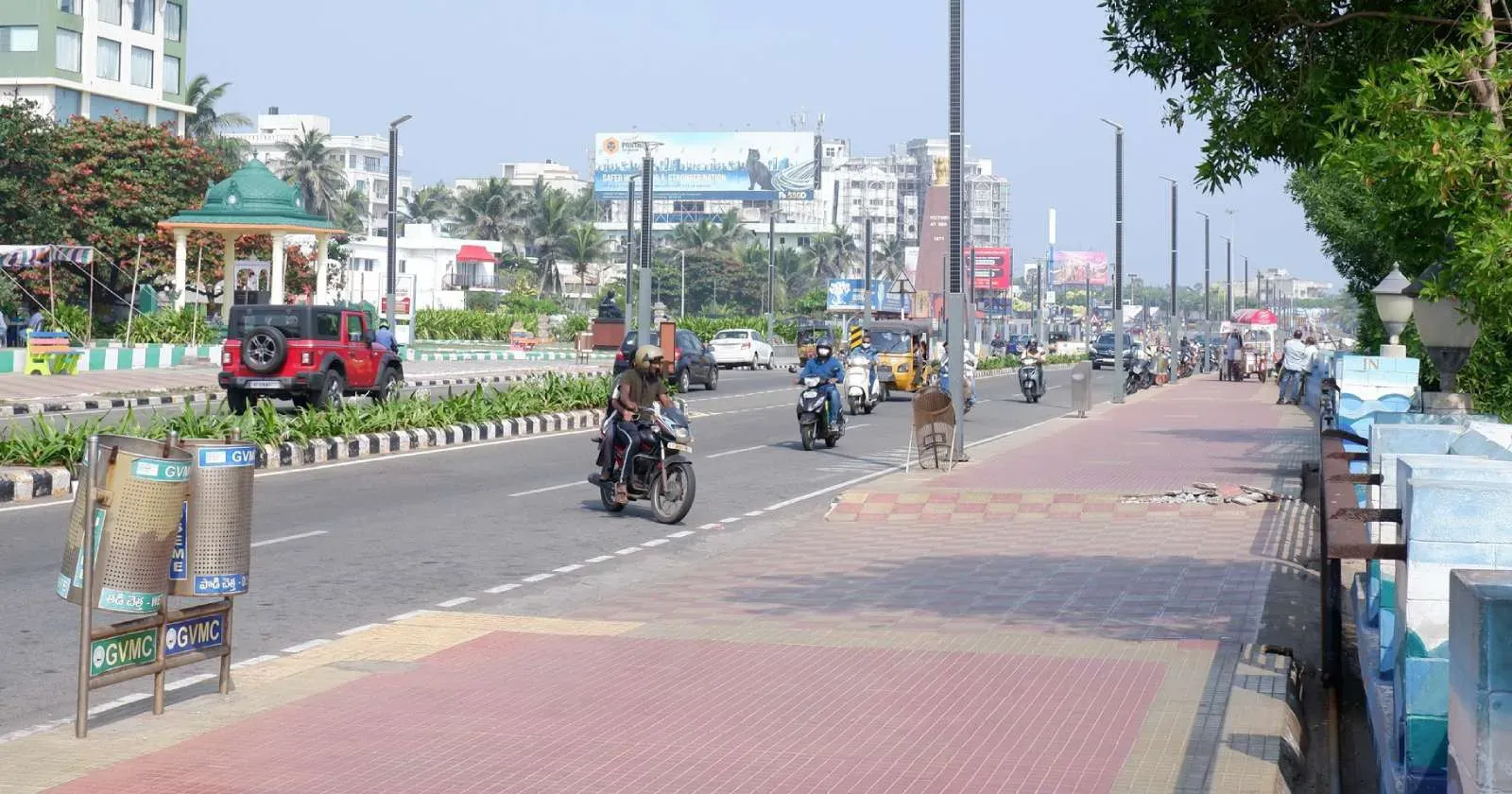
The court said the right to walk includes the right to demarcated footpaths and that such pedestrian rights must take priority over the movement of motorised vehicles. “If a road exists, there must then be a duty to ensure that a footpath is demarcated and maintained for walkers,” the bench observed, adding that this was an enforceable duty.
The judgment arose from a case involving the death of a five-year-old boy on his way to a neighbourhood school. While awarding ₹11.5 lakh as compensation to the child’s father, the court widened the matter into what it termed “Re: Fundamental Right to Walk and Footpath”, underlining that the issue extended beyond an individual claim.
For India’s automotive and urban mobility ecosystem, the ruling is important because it challenges the assumption that road capacity should primarily be measured by vehicle throughput. Municipal corporations, urban development authorities, municipalities, and panchayats have been identified as duty bearers for demarcating, constructing, maintaining, and safeguarding footpaths and allied pedestrian infrastructure. That could have direct implications for road design, traffic engineering, parking enforcement and last-mile access to public transport.
The decision comes against a grim safety backdrop. Pedestrian deaths in India rose to 35,221 in 2023 from 32,825 in 2022, accounting for 20.4 percent of total road fatalities, according to reported data from the Ministry of Road Transport and Highways’ Road Accidents in India 2023 report. Bike riders remained the most vulnerable category, while pedestrians were the next most affected group.
The court also said citizens could seek constitutional remedies against public authorities for violation of this right, separate from compensation claims under the Motor Vehicles Act. It urged the Union government to consider a statutory framework and asked that the judgment be sent to ministries dealing with housing and urban affairs, rural development, and road transport and highways, as well as the Law Commission.
The broader message is clear. As Indian cities add flyovers, expressways, SUVs, buses, two-wheelers and EVs to already crowded roads, pedestrian infrastructure can no longer remain a residual strip left after carriageways, parking and utilities are planned. The ruling may not immediately repair broken pavements or remove encroachments, but it gives walkability a stronger legal footing. For India’s mobility transition, that is a consequential shift from vehicle access to safer, more inclusive road use.