

BAIC has announced progress in the development of sodium-ion battery technology, as Chinese automakers continue to explore alternatives to lithium-based systems to address cost, supply and performance challenges.
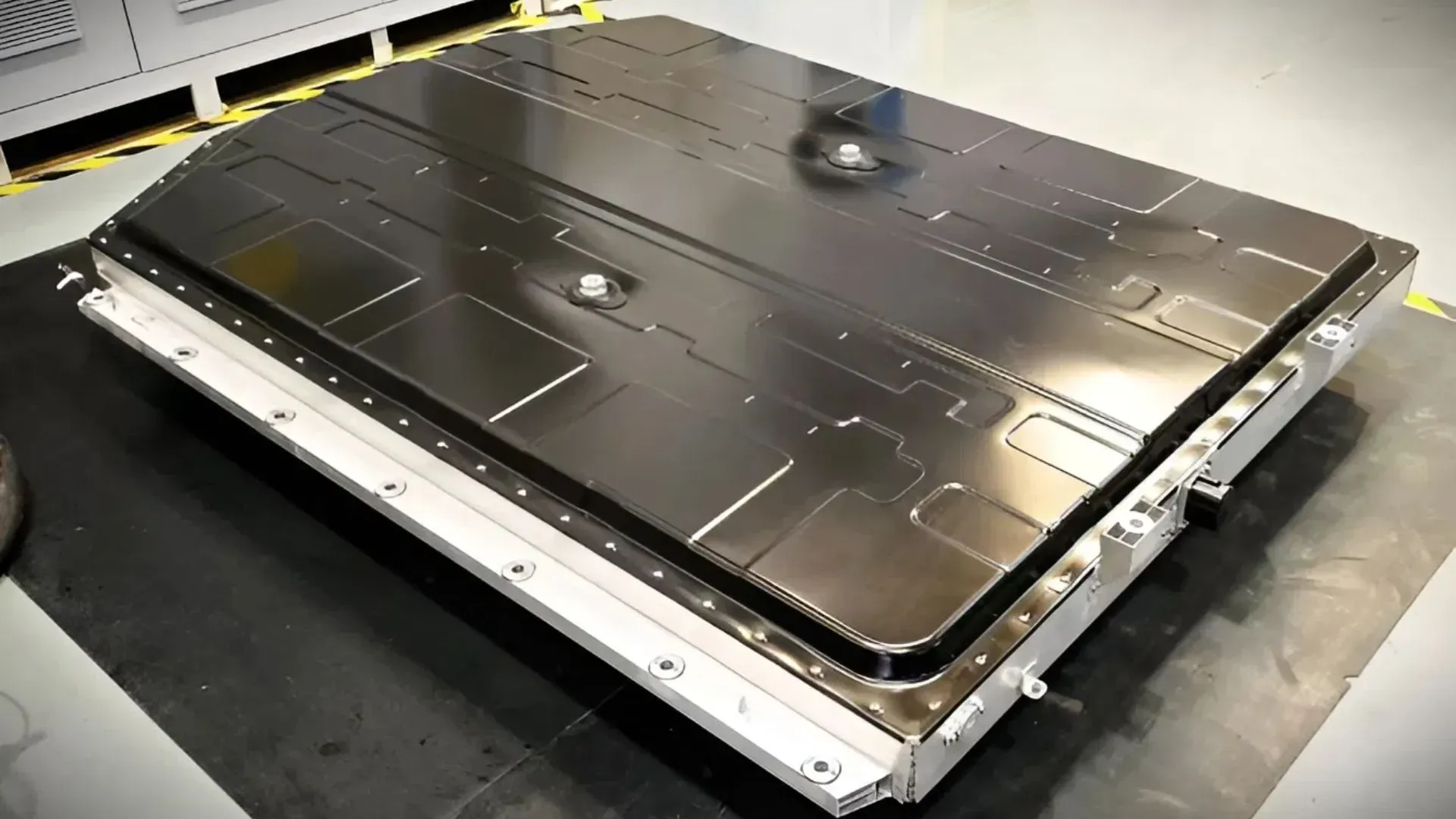
According to the company’s research division, a prototype sodium-ion battery has been developed with an energy density of 170 Wh/kg using a prismatic cell format. The battery is also claimed to support 4C fast charging, enabling a full charge in approximately 11 minutes under internal testing conditions.
The system is designed to operate across a wide temperature range, from -40°C to 60°C. BAIC claims energy retention of over 92% even at -20°C, highlighting its focus on improving usability in colder climates.
On the safety front, the company stated that the battery has passed internal validation tests, including withstanding overcharge conditions of up to 200 percent without fire or explosion. It also remained stable when exposed to temperatures of up to 200°C during thermal testing.
The sodium-ion battery is part of BAIC’s broader “Aurora Battery” programme, which includes lithium-ion, solid-state and sodium-ion chemistries. The company has also completed process validation for mass production of prismatic sodium-ion cells.
Also read: Mahindra’s Charge_iN, HPCL Partner to Set Up 180 kW Fast Chargers at Fuel Stations
Across China, sodium-ion batteries are being evaluated as a complementary solution, particularly for cost-sensitive applications and low-temperature environments. Compared to lithium iron phosphate batteries, sodium-ion systems offer advantages in raw material availability and cold-weather performance, though they typically lag in energy density.
BAIC has reportedly filed 20 patents related to its sodium-ion programme, covering areas such as materials, cell design, manufacturing processes and testing. The company is also working on charging strategies, electrochemical modelling and degradation analysis.
Other Chinese automakers are also advancing sodium-ion technology. In February 2026, Changan and CATL showcased what they described as the first mass-produced sodium-ion passenger EV with a 45 kWh battery and a claimed range of over 400 km, with a market launch expected in mid-2026.
BAIC has not yet disclosed timelines for commercial deployment or vehicle integration of its sodium-ion battery. The technology appears to remain in the pre-commercial stage, with further development and real-world validation expected before large-scale adoption.