

Tata Motors Passenger Vehicles is signalling a broader fuel strategy rather than a single-minded EV pivot. Petrol remains its largest base, but CNG has become a major volume pillar.
Tata Motors Passenger Vehicles’ FY26 disclosures underline a strategic choice that is easy to miss in the company’s electrification narrative: it is not building the passenger vehicle business around EVs alone. Its India powertrain mix for FY26 stood at 46% petrol, 27% CNG, 14% EV and 13% diesel, showing a portfolio that remains anchored in internal combustion while steadily adding lower-emission alternatives.
The numbers are important because Tata has often been viewed primarily through its EV leadership in the Indian passenger vehicle market. That remains a strength. The company reported FY26 EV volumes of 92,120 units, up 43% year on year, and its presentation described EVs as a sustained leadership area. But the larger story is broader: CNG is now Tata PV’s second-largest powertrain after petrol.
Also read: Delhi Plans Scrappage Incentives For E-Rickshaws Under EV Policy 2.0
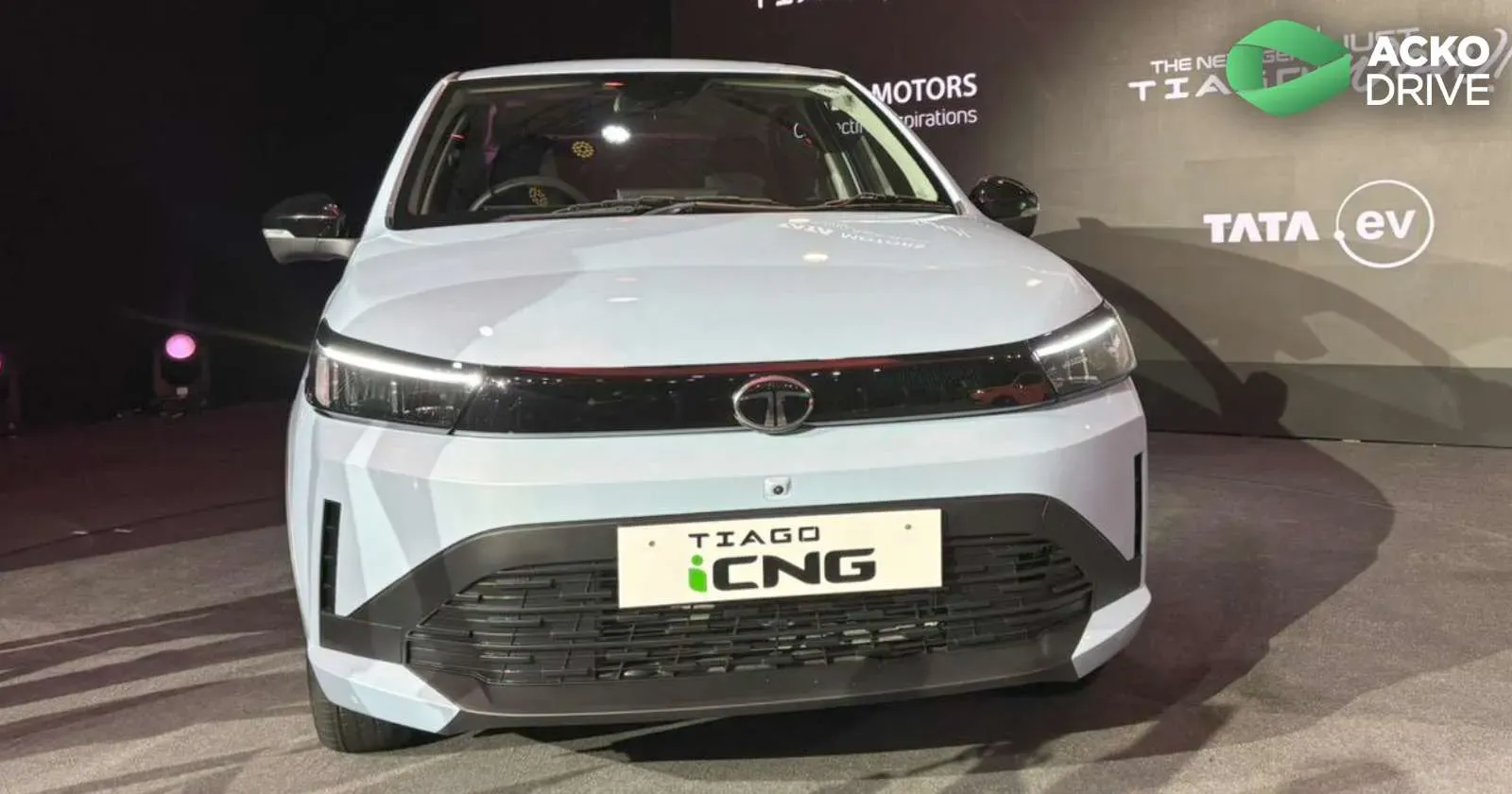
CNG sales crossed 1.7 lakh units in FY26, growing 24% year on year, according to the company’s Q4 sales release. That was ahead of the broader industry pace cited by Tata Motors Passenger Vehicles, which put CNG industry growth at around 20% year on year. For a price-sensitive market, this is commercially significant.
CNG allows Tata to address buyers seeking lower running costs without the upfront price and charging-access considerations that still shape EV adoption.
This also gives Tata a wider response to competitive pressure. India’s PV market is no longer moving in a straight line from petrol to electric. Buyers are choosing powertrains according to vehicle size, daily usage, fuel availability, financing comfort and city infrastructure. Tata’s mix reflects that reality. Petrol gives the company volume breadth, CNG supports cost-conscious urban and semi-urban buyers, EVs strengthen its technology and emissions positioning, while diesel remains relevant in larger SUVs and high-mileage use cases.
Managing Director and CEO Shailesh Chandra has also framed the next phase around breadth rather than substitution, saying industry momentum is expected to be led by SUVs, CNG and EVs, supported by an “established multi-powertrain strategy”.
The company’s FY27 priorities include new product interventions, production ramp-up, supply-chain resilience and work on EV adoption barriers such as affordability, charging infrastructure, range confidence and battery assurance.