

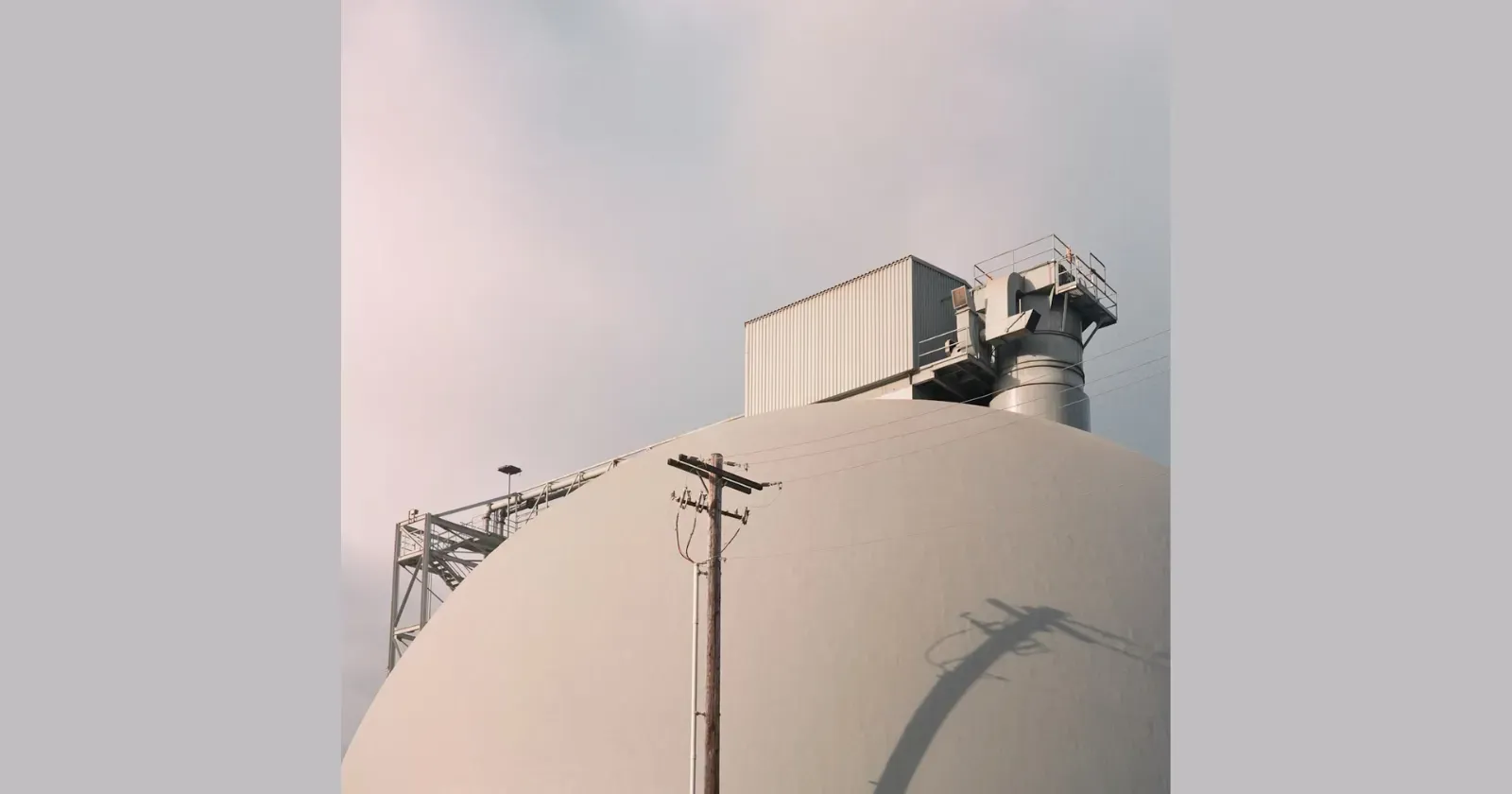
Unlike conventional fuels, CBG is carbon-negative and can be produced domestically from agricultural residues, cattle dung, and food waste. (Image: Unsplash/Hazel)
The Indian Biogas Association (IBA) has called on policymakers to pursue an integrated approach towards clean transport in Delhi, one that brings together electric vehicles (EVs), CNG, and compressed biogas (CBG) to achieve meaningful, scalable cuts in harmful emissions. In a formal submission to the Delhi government on the Draft Delhi Electric Vehicle Policy, the IBA noted that EVs still account for a relatively small share of the overall vehicle fleet, making CNG the most practical clean fuel option in the near term given its negligible particulate output and lower nitrogen oxide emissions when compared with diesel, Business Standard has reported.
Unlike conventional fuels, CBG is carbon-negative and can be produced domestically from agricultural residues, cattle dung, and food waste.
The association highlighted that Delhi's well-established CNG ecosystem, including pipelines, dispensing stations and the vehicles already running on the fuel, offers a ready-made foundation for scaling up CBG supply.
Gaurav Kedia, Chairman of the Indian Biogas Association, described the city's potential as "considerable."
"Delhi has a huge opportunity to develop one of the strongest and lowest-carbon urban mobility systems in the world, combining EVs with CNG and CBG fuels," Kedia was quoted as saying in the report.
He added that substituting just 20 per cent of Delhi's imported CNG with domestically produced CBG could generate foreign exchange savings of no less than $63 million on equivalent gas imports.
According to the IBA's submission, blending CBG at 20 per cent into the CNG supply could bring gas-powered mobility close to carbon neutrality.
What do the figures say: one MMSCMD of CBG can fuel approximately 3.5 lakh vehicles, and with around seven lakh new vehicles registered in Delhi each year, just two MMSCMD of CBG would be sufficient to meet the fuel requirements of every new addition to the city's roads, the report added.