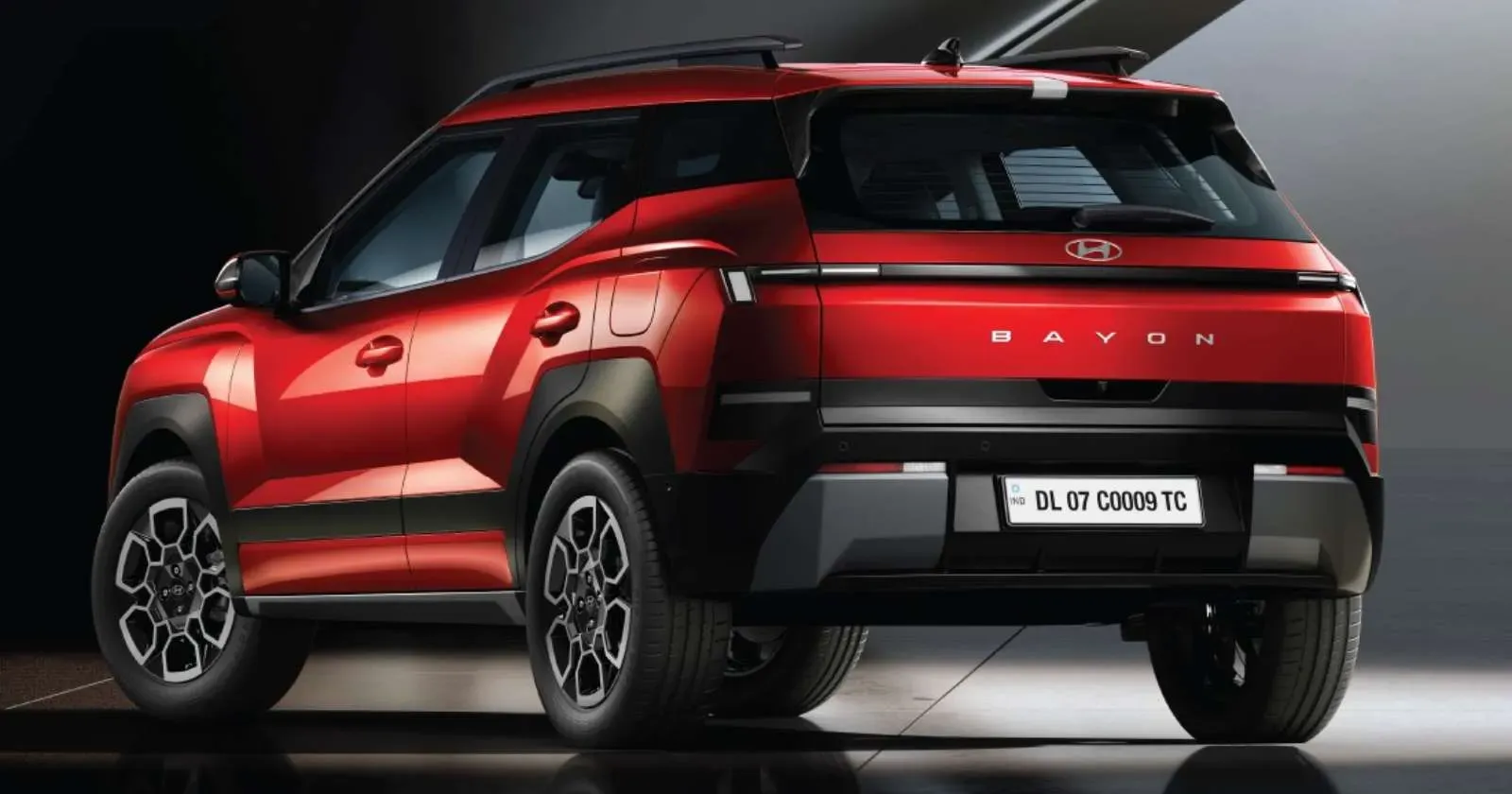
Hyundai Bayon Variants Explained: What Each Of The Seven Trims Offers

The compact SUV variant names run from HX 2 to HX 10, separated by safety, comfort and technology features.

hyundai-bayon-unveil-rear.webp

Only the top-end variant gets ADAS and Hyundai's AI-powered voice assistant.

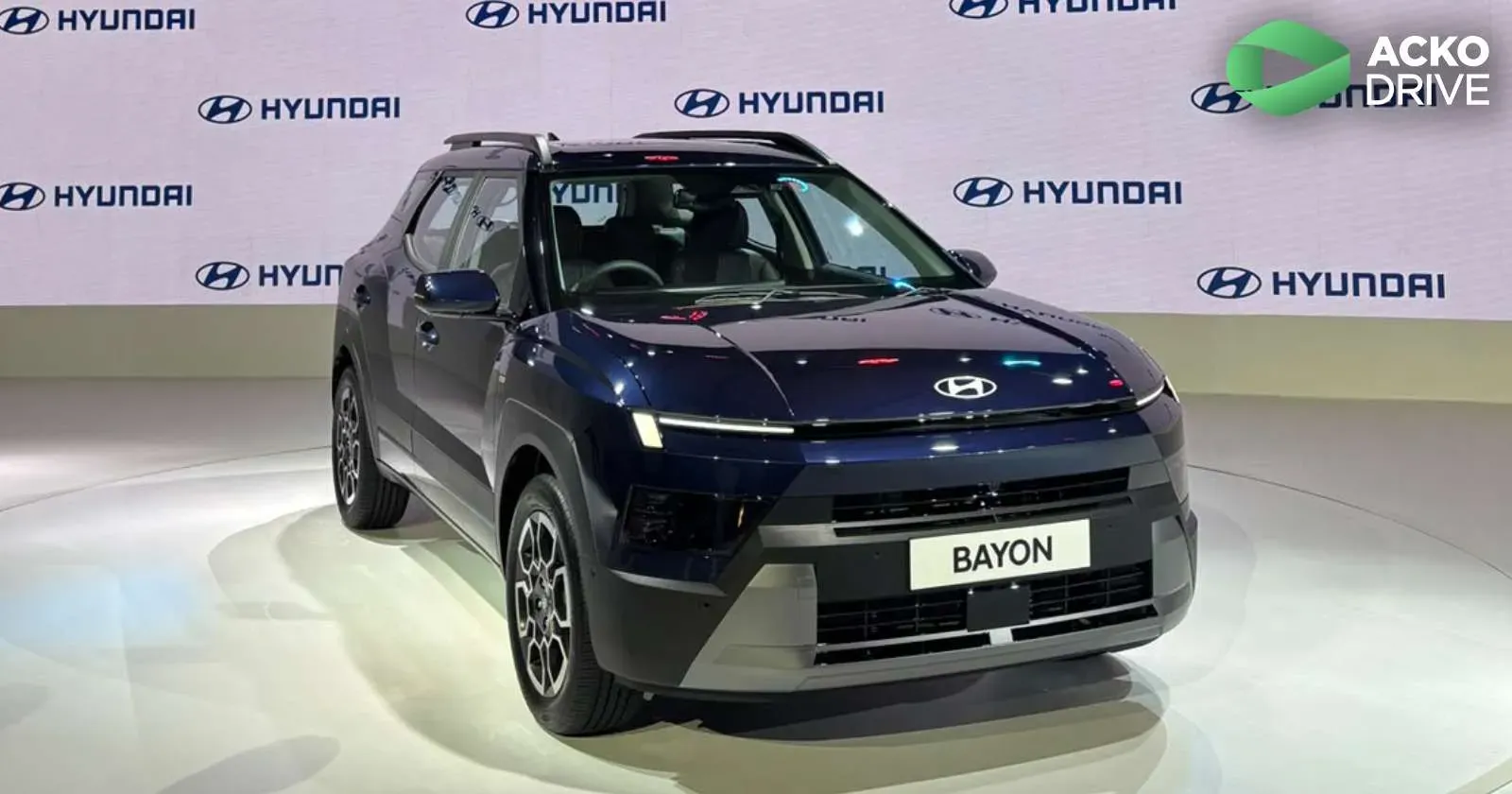
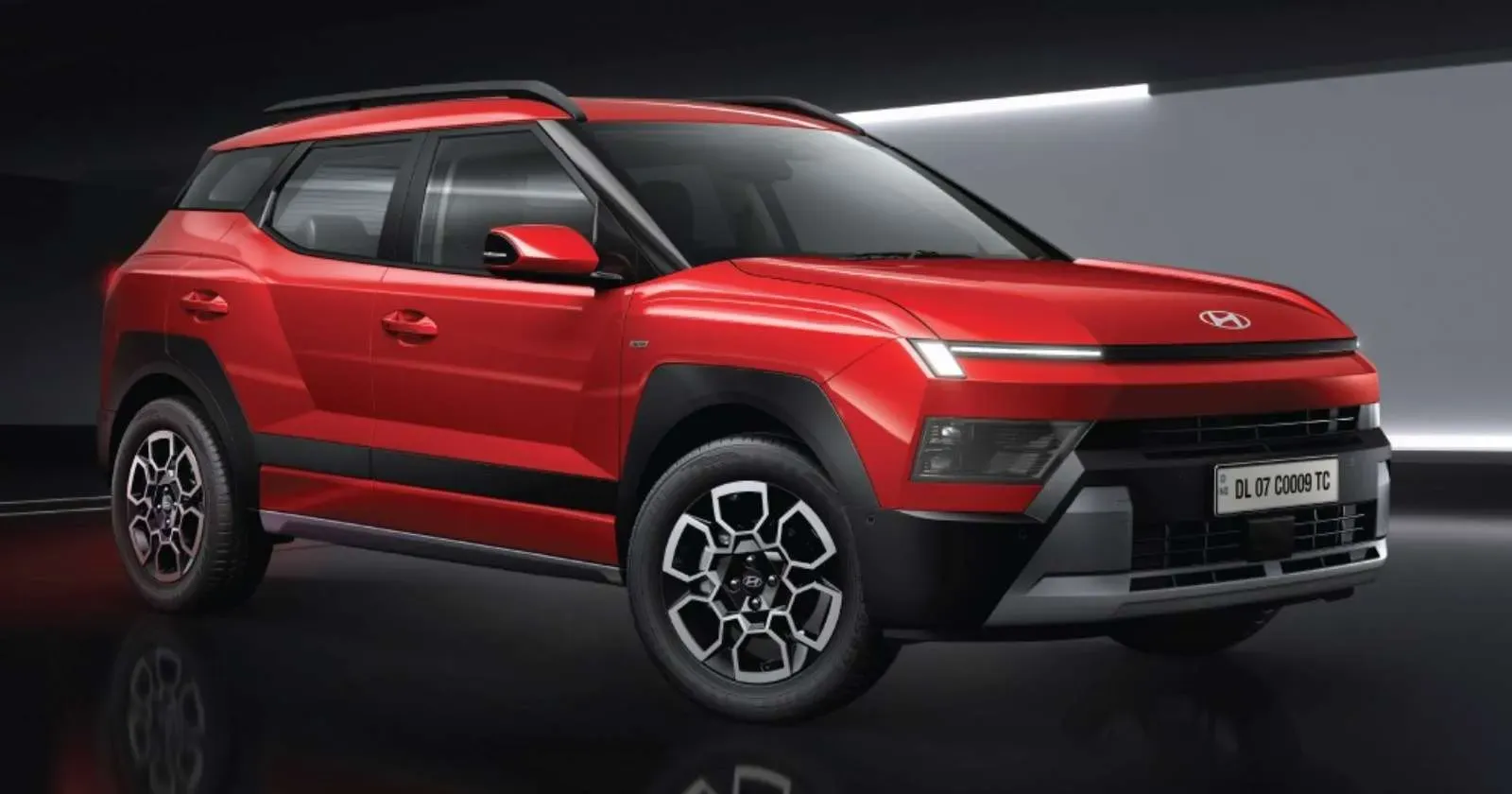
Hyundai Motor India's new Bayon compact SUV will be sold in seven variants, from the entry-level HX 2 to the fully loaded HX 10. All come with the same engine, a 1.5-litre petrol unit, but the choices of gearbox and features change as buyers move up the range. The base variant starts at ₹9,99,900 in India (ex-factory, introductory), and the prices of the higher-end variants have not yet been announced.

The engine is a four-cylinder unit of 1,497cc that makes 114 bhp at 6,300rpm and 143.8Nm of torque at 4,500rpm. The HX 2, HX 3 and HX 3+ come only with a six-speed manual. The HX 5, HX 6, HX 8 and HX 10 offer a choice between the manual and Hyundai's iVT automatic. Only the automatic gets paddle shifters, drive modes, and a Dash Boost mode meant to help with overtaking.

Hyundai Bayon: Standard Features for All Variants

Safety hardware is broader than usual at this end of the market. Six airbags (driver, passenger, side and curtain) are standard on every variant, as are electronic stability control, hill-start assist, ABS with brake force distribution, ISOFIX child-seat anchors, tyre pressure monitoring, rear parking sensors and an emergency stop signal. Every variant also gets LED daytime running lamps and tail lamps, a rear spoiler, power windows, a rear AC vent, USB-C charging points front and rear, and a black-and-olive-grey interior.

The Bayon is 4,245mm long, 1,810mm wide and 1,605mm tall (with roof rails), on a 2,600mm wheelbase. The boot holds 505 litres by the VDA 215 measurement method, and the fuel tank is 43 litres. The brochure says the body is built on Hyundai's Global K enhanced platform and engineered for five-star Indian safety standards, based on its internal assessment rather than a published crash test.

Hyundai Bayon HX 2 Variant: The Base

The HX 2 keeps things simple. It gets projector LED headlamps, 16-inch steel wheels with covers, fabric seats, a manual air conditioner and a foldable key. The brochure lists no infotainment screen, speakers or Bluetooth for this variant. It also has no rear camera and carries a tyre mobility kit (a sealant-and-compressor repair set) instead of a spare wheel.

Hyundai Bayon HX 3 Variant: Connectivity Arrives

The HX 3 adds a 26.03cm (10.25-inch) infotainment screen with wireless Apple CarPlay and Android Auto, voice recognition, Bluetooth and steering-mounted audio controls. A rear-view camera and a smart key with push-button start also join the list. The air conditioner is still manual.

Hyundai Bayon HX 3+ Variant: Sunroof and Roof Rails

This variant adds an electric sunroof, roof rails and 17-inch styled steel wheels over the HX 3.

Hyundai Bayon HX 5 Variant: The First Automatic Option

Comfort improves noticeably here. The HX 5 brings fully automatic climate control, cruise control, automatic headlamps, a wireless phone charger, electrically folding mirrors, a rear defogger with timer and a one-touch driver's window. Hyundai's Bluelink connected-car service and over-the-air software updates begin at this trim. It also has a rear parcel tray and rear LED turn indicators, and dual-tone exterior and black-with-red interior packs become optional.

Hyundai Bayon HX 6 Variant: Panoramic Roof and Alloys

The HX 6 replaces the electric sunroof with a panoramic one and moves to 17-inch diamond-cut alloy wheels. Dual LED projector headlamps, front LED indicators, puddle lamps, ambient lighting, a rear wiper and washer, a luggage lamp and a leatherette-wrapped steering wheel and gear knob are added. A sliding front armrest and a fabric-touch insert on the dashboard complete the upgrades.

Hyundai Bayon HX 8 Variant: The Comfort Step

The HX 8 changes the cabin most. It gets leatherette seats, an electric eight-way driver's seat, front ventilated seats, a rear armrest with cupholders, a 60:40 split rear seat and a two-step reclining rear backrest. Parking aids expand to front and side sensors plus a surround-view monitor. Disc brakes at the rear, a dashcam and height-adjustable front seatbelts and rear headrests also arrive. The automatic version gets an electronic parking brake with auto hold.

Hyundai Bayon HX 10 Variant: The Technology Flagship

The HX 10 swaps the 10.25-inch screen for dual 12.3-inch curved displays, one for navigation and one for the driver's cluster. It adds a generative-AI voice assistant, which responds to "Hey Hyundai" in English only, and an eight-speaker Bose audio system. The brochure credits Perplexity, SoundHound AI, and NVIDIA for the AI, voice and navigation technology respectively.

This is also the only variant with Hyundai SmartSense Level 2 Pro ADAS, which offers 23 driver-assistance features. These include automatic emergency braking for cars, pedestrians and cyclists, lane-keeping aids, blind-spot warnings and a blind-spot camera view. Adaptive cruise control with stop-and-go, navigation-linked speed adjustment and highway driving assist are limited to the automatic, and work only on designated expressways in the map data. The manual HX 10 keeps ordinary cruise control. Hyundai cautions that ADAS is no substitute for attentive driving.

At 4,245mm, the Bayon sits above the four-metre mark, so it competes in the larger compact SUV space where buyers increasingly expect sunroofs, connected features and driver assistance. Six airbags as standard help the lower variants, while the automatic and the HX 10 carry the technology. Hyundai offers three years of free Bluelink, paid thereafter, and an extended warranty of up to seven years or 1,40,000km.