
ICAT Could Introduce Car Cybersecurity Certification: Report

ICAT reportedly plans cybersecurity certification for cars to counter hacking risks, targeting M2M SIM vulnerabilities. The move could set global safety standards, boosting car security worldwide.

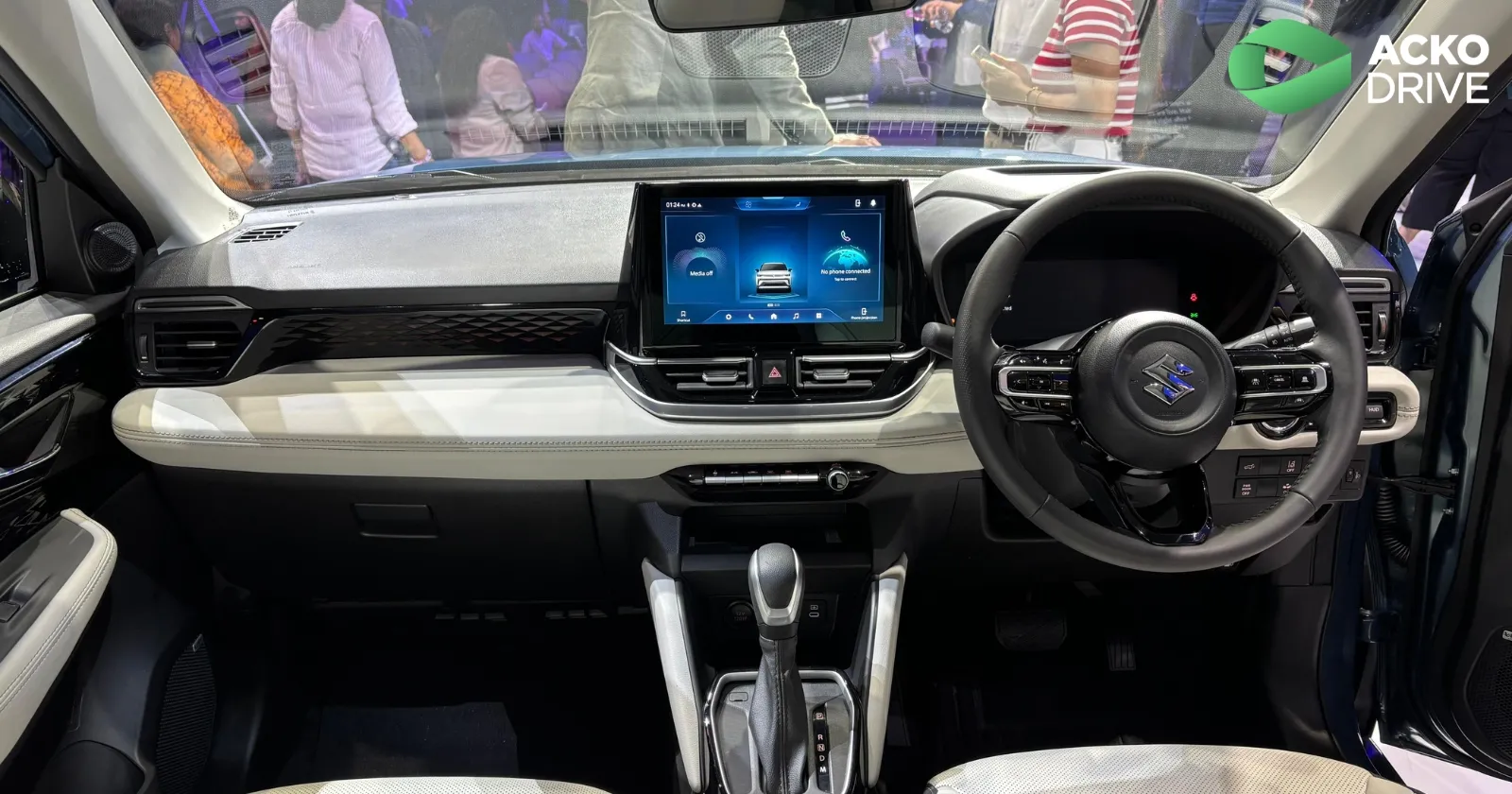
Maruti_Suzuki_Victoris_3_18c1a9f67e.webp

ICAT reportedly plans cybersecurity certification for cars to counter hacking risks, targeting M2M SIM vulnerabilities. The move could set global safety standards, boosting car security worldwide.

The International Centre for Automotive Technology (ICAT), under the Union ministry of heavy industries, is reportedly developing a cybersecurity certification process for cars. 

Saurabh Dalela, ICAT director, told TOI that the Manesar-based centre aims to test vehicle software and issue certificates within two years, pending government legal updates.

Modern cars, packed with advanced software, face a growing risk of cyberattacks. Hackers can remotely seize control, causing vehicles to swerve or brake unexpectedly on highways. 

Experts highlight vulnerabilities in electronic control units (ECUs), smartphone apps, telematics, and key fobs, posing serious safety concerns globally.

Safety Norms and Benefits

The proposed certification will assess protections against hacking, focusing on machine-to-machine (M2M) SIM cards. These SIMs enable remote functions like locking but can be cloned or intercepted, allowing hackers to manipulate ECUs and engine management units (EMUs). 

The certification aims to ensure robust safeguards, preventing unauthorised commands that could trigger sudden braking or acceleration, enhancing driver safety worldwide.

Expert Concerns

Experts claim that cloned M2M SIMs can send false signals, endangering lives. Others note that hacked cars could become weapons, not just theft targets. 

AI-powered sensors like LIDAR and cameras are also at risk from generative adversarial network (GAN) attacks or spoofing, misleading vehicles into crashes.