


One of the agreement's most immediate implications for the auto industry is the elimination of import duties on Indian vehicles and components entering New Zealand.
The newly concluded free trade agreement (FTA) between India and New Zealand is likely to unlock fresh opportunities across trade, investment and industrial cooperation, with the automotive and electric vehicle (EV) sectors set to benefit most significantly, says a report by Business Standard.
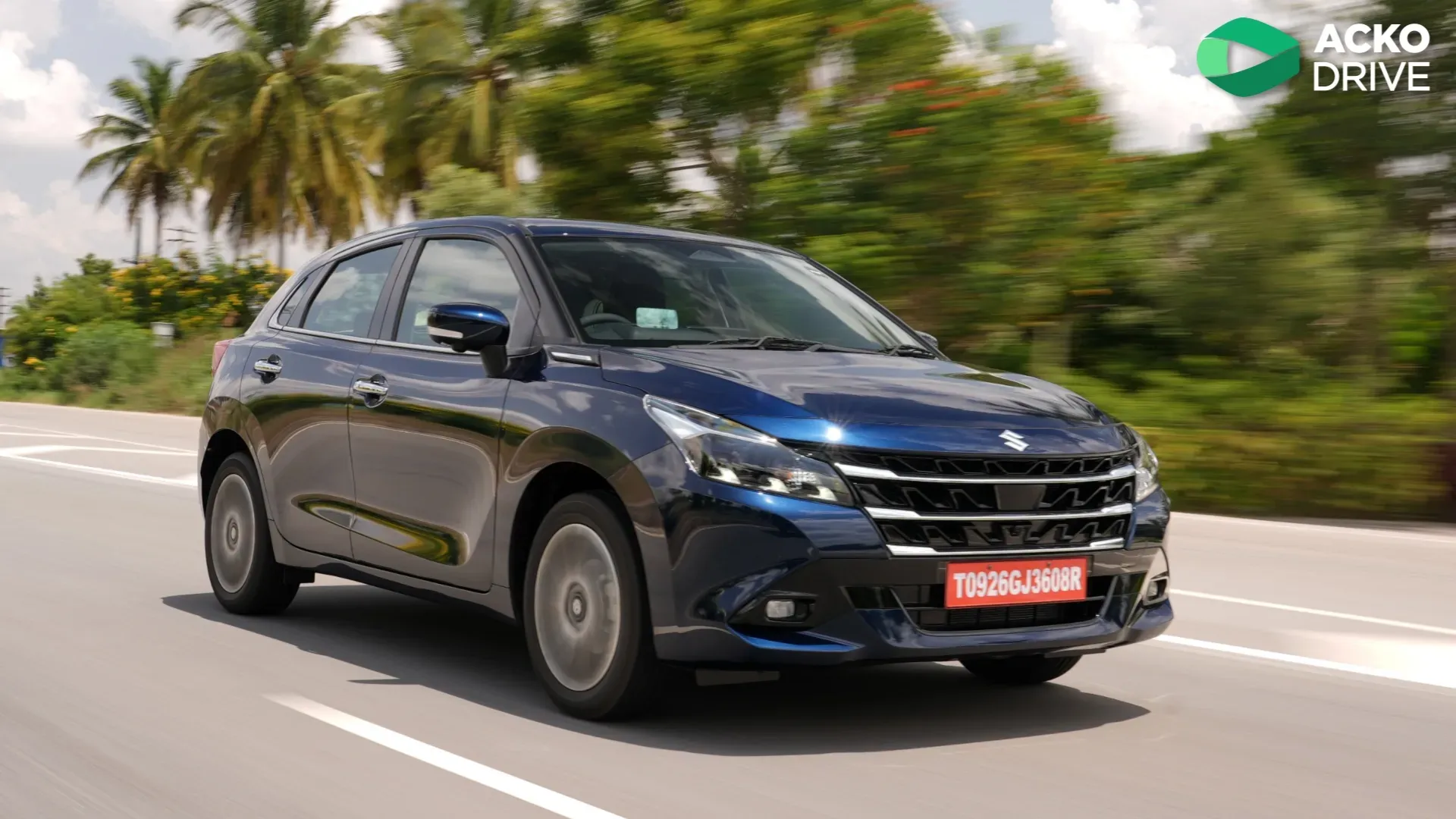
One of the agreement's most immediate implications for the auto industry is the elimination of import duties on Indian vehicles and components entering New Zealand.
Passenger cars and auto parts manufactured in India will now have zero-tariff access to the New Zealand market from the date the agreement comes into force. Previously, select engineering goods attracted tariffs of between five and ten per cent.
Anish Shah, group chief executive and managing director of the Mahindra Group, was quoted as saying in the report that the deal represents an important step forward in bilateral economic relations. "Built on shared trust and concluded with remarkable speed, the agreement creates new opportunities across farm solutions, mobility, technology, and hospitality, while enabling innovation and more resilient supply chains," he said.
Industry experts believe the development could provide a tangible lift to India's automotive exports at a time when manufacturers are actively seeking to diversify their markets and expand internationally.
Beyond trade, the agreement is also expected to encourage greater investment flows between the two countries. New Zealand has pledged investments worth $20 billion, a portion of which is anticipated to flow into India's high-technology manufacturing sector, including components and systems for EVs, an area where India is working to strengthen domestic production and reduce its reliance on imports.
The deal comes at a time when India continues its wider effort to establish itself as a global manufacturing base, particularly in clean mobility and advanced engineering.
The combination of duty-free market access and potential capital inflows could accelerate development in these sectors while broadening the economic relationship between the two nations.