

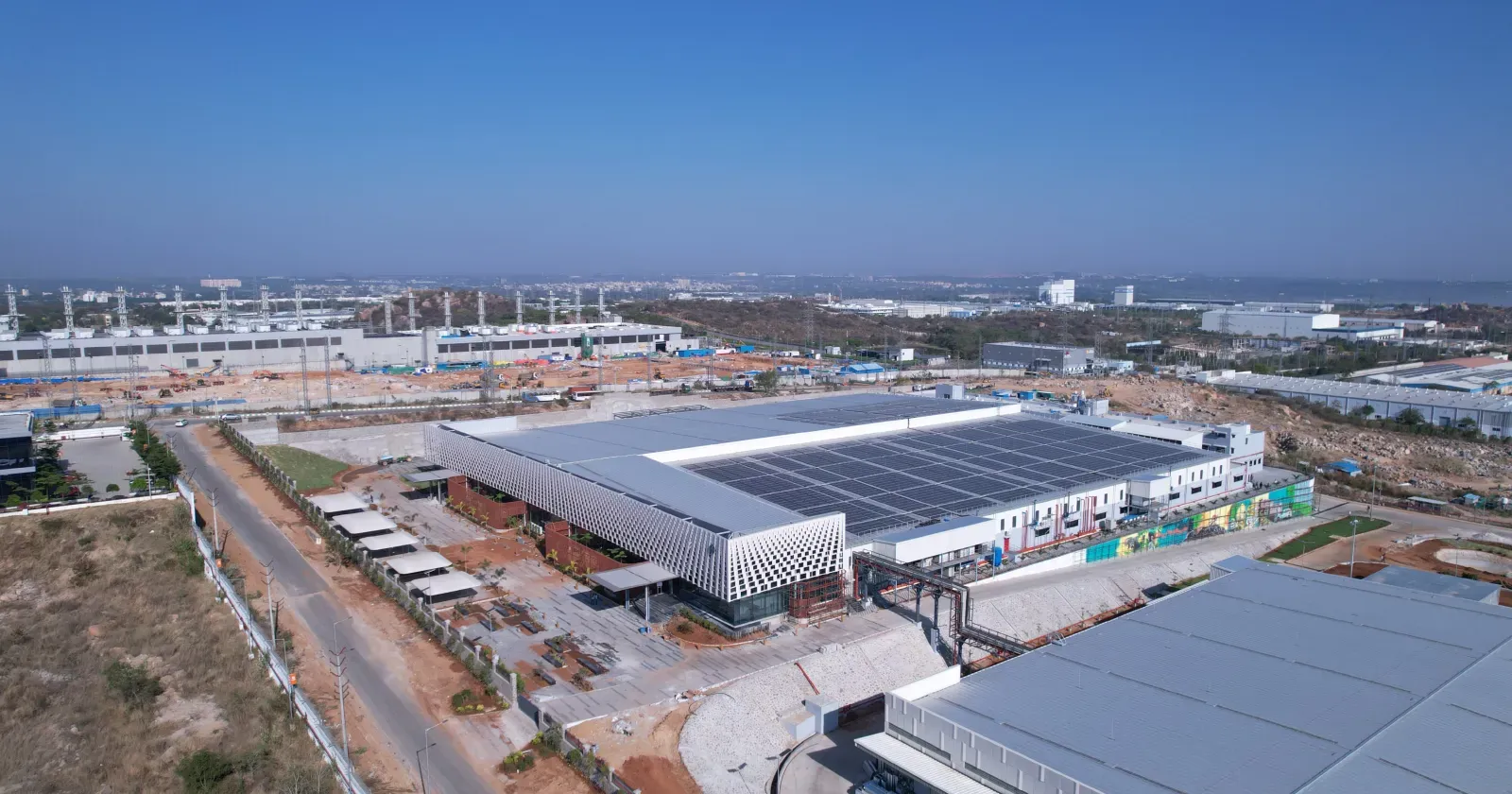
India’s electric vehicle (EV) ecosystem is growing rapidly, and companies involved in charging infrastructure are racing to keep pace. Exicom, a key player in EV charging solutions, has taken a significant step in this direction with its new manufacturing facility in Hyderabad. The company says the plant will help expand production capacity, improve product quality, and support growing export ambitions.
During a recent interaction with Acko Drive, Anshuman Divyanshu, CEO of Exicom EVSE, outlined how the plant fits into Exicom’s broader strategy for scaling EV charging technology and strengthening its presence in global markets.
Built to Meet Rising EV Demand
Exicom clarified that the Hyderabad facility is not a replacement for its Gurgaon manufacturing plant but rather an expansion of its production capacity. The move comes in response to sustained growth in the EV sector across multiple vehicle segments.
As Divyanshu explained, the new plant was built to support long-term demand. “It is an additional facility… we wanted to ramp up our manufacturing capacity in line with what is happening in Indian markets.”
The growth of electric mobility in India has been particularly strong in two-wheelers and three-wheelers, but adoption is also increasing in passenger cars, buses, and commercial trucks. This broad-based growth is pushing companies like Exicom to expand manufacturing infrastructure ahead of demand.
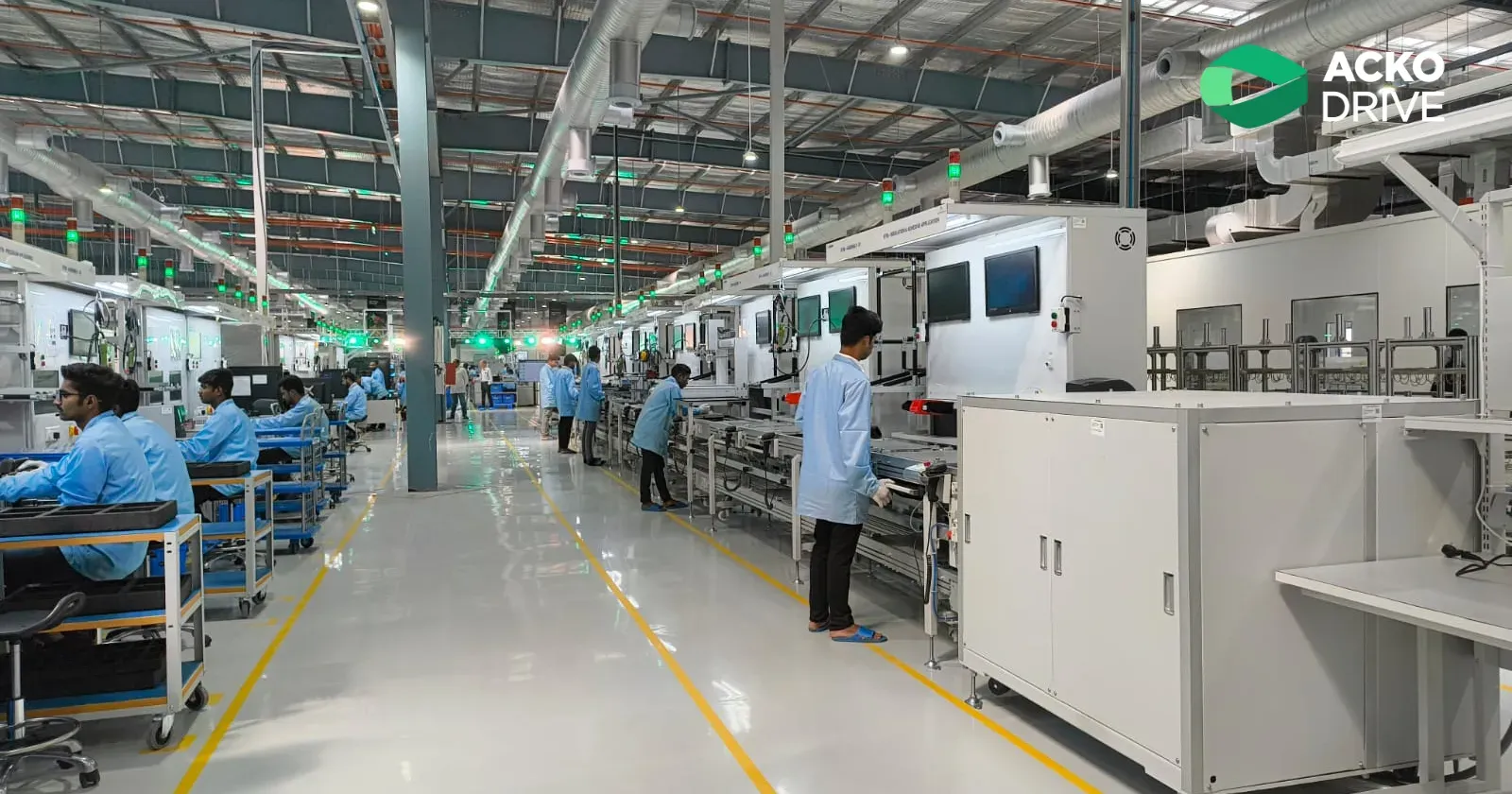
For now, both facilities will continue to operate simultaneously. Products currently manufactured in Gurgaon are also being produced in Hyderabad, allowing the company to scale production without disrupting existing supply chains. While the Gurgaon plant remains operational, the Hyderabad facility represents a significant technological upgrade. According to the company, the new facility incorporates advanced automation and improved manufacturing systems.
The plant includes modern Surface Mount Technology (SMT) capabilities, better traceability systems, and higher levels of automation. These features are expected to improve production efficiency as well as product reliability. Because of these advantages, Exicom intends to gradually increase shipments from the Hyderabad facility. The company believes products manufactured there will benefit from the capabilities of a more modern production environment.
“We have been able to bring more state-of-art automation, more traceability… and much better SMT facilities than Gurgaon,” Divyanshu said.
EV Charging Exports to Europe and the United States
Beyond domestic demand, the Hyderabad plant is also expected to support Exicom’s global expansion plans. The company already exports to Southeast Asia and the Middle East, but it now intends to strengthen its presence in Western markets. Recently, Exicom obtained dual certification for its AC chargers, which allows the products to be sold in the United States. Europe is another region where the company sees significant potential.
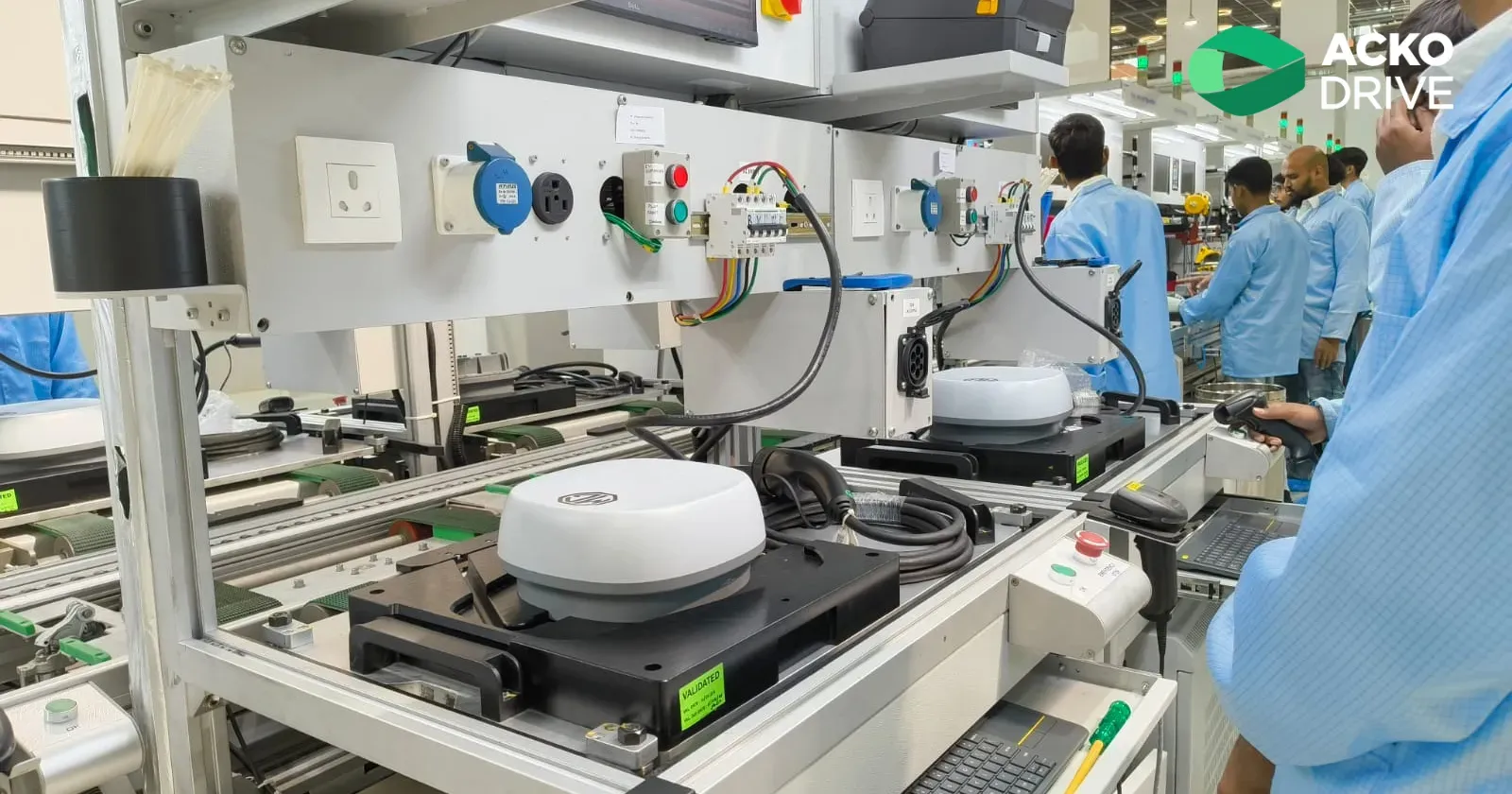
“We will now be able to sell in the USA, which is a very large AC charger market,” Divyanshu said, adding that the company’s presence in Europe is currently small but expected to grow. For DC fast chargers, Exicom already has a manufacturing footprint in the United States through its Tritium brand, which operates a facility in Tennessee.
Dependence on Imported Battery Cells Continues
The discussion also touched on India’s battery manufacturing ecosystem and the government’s Production Linked Incentive (PLI) scheme. Exicom confirmed that it is not a beneficiary of the PLI scheme because it does not manufacture battery cells. The incentives are primarily aimed at companies producing Advanced Chemistry Cells (ACC), such as large conglomerates investing in domestic cell production.
Instead, Exicom focuses on assembling battery packs. Since India currently lacks large-scale cell manufacturing capacity, companies in this segment must rely on imported cells. “Unfortunately, no cell is getting manufactured in India… and I don’t think that for another one and a half year, we are going to see any Indian cell,” Divyanshu said.
However, the company indicated it would be open to partnering with domestic cell manufacturers once local production begins on a large scale.
Remote Troubleshooting Improves Charger Uptime
One of the key themes of the conversation was the importance of software in improving charger reliability and uptime. Exicom recently introduced the second generation of its Harmony fast charging platform, which includes enhanced monitoring and diagnostic capabilities. Historically, charger maintenance in the industry has been reactive.
When a charger fails, operators would send logs to the manufacturer, after which technicians would analyse the issue and perform on-site repairs. Exicom is attempting to change this model through remote monitoring and predictive diagnostics. The company has developed a system called Harmony Connect, which allows it to monitor chargers in real time through a network operations centre.
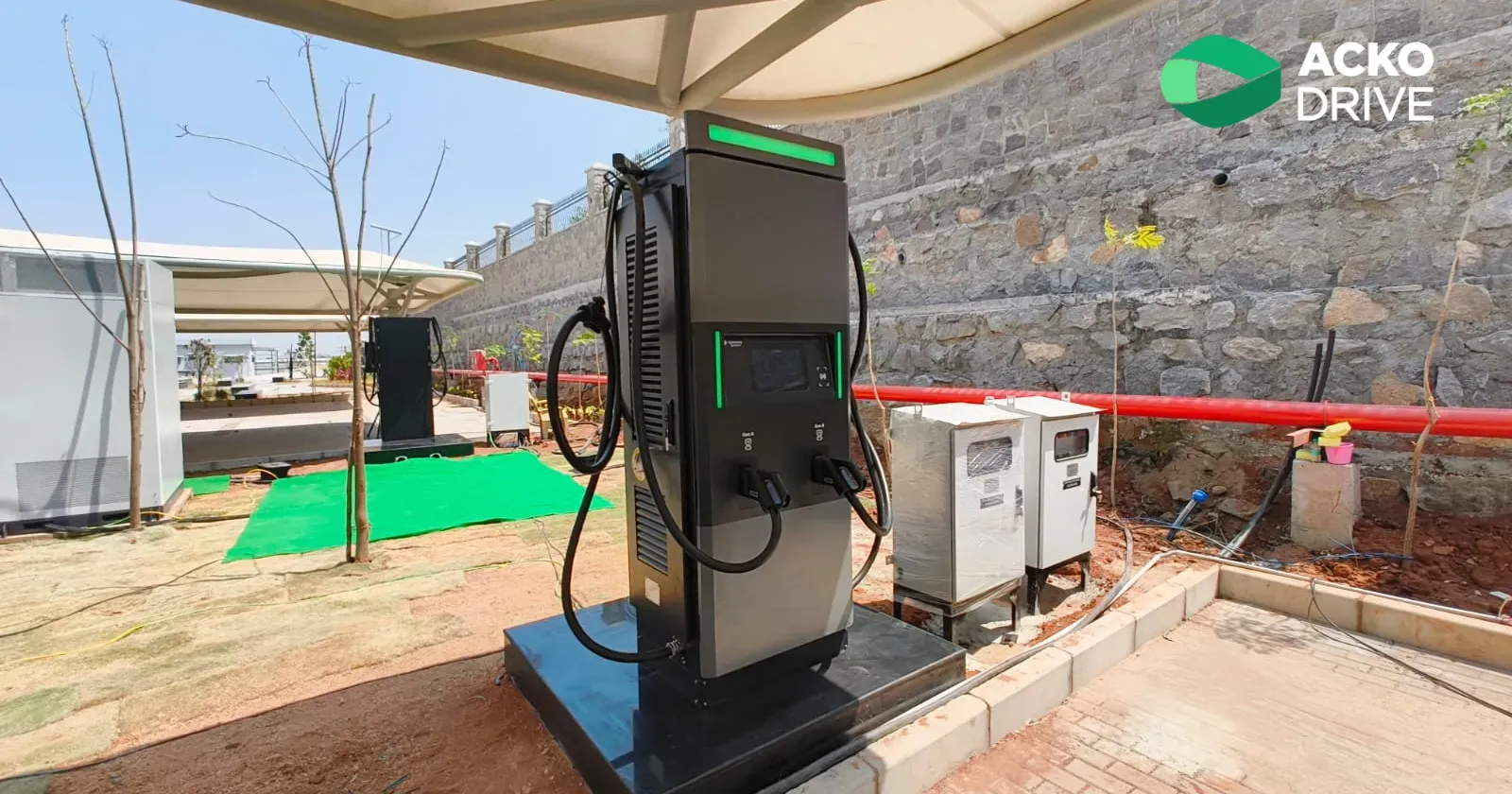
“We remotely monitor all our DC fast chargers… we have a NOC team in place which is seeing what is happening to them on a real-time basis,” Divyanshu explained. The platform also enables chargers to perform self-diagnostics and detect potential problems before they lead to breakdowns.
According to the company, these software capabilities are already delivering measurable improvements in service efficiency. Exicom claims that about 50 percent of charger issues can now be resolved remotely without sending technicians to the site. For the remaining cases requiring physical intervention, technicians arrive with prior knowledge of the issue, increasing the likelihood of a first-time fix.
“In many cases earlier our technician would visit a site and even he would not be aware of what had happened,” Divyanshu noted. Now, with detailed diagnostic data available in advance, service engineers can arrive with the correct tools and replacement parts. The company says this approach has significantly improved repair times and charger uptime.
Expanding EV Charging Support in Tier-2 and Tier-3 Cities
As EV adoption spreads beyond major metropolitan areas, charging infrastructure companies are also expanding their service networks. Exicom estimates that nearly half of EV sales in India now occur in tier-2 and tier-3 markets. These regions often present additional challenges, including voltage fluctuations and less stable power infrastructure. To address these conditions, the company focuses on designing chargers capable of operating in harsh environments while also building a strong service network.
Exicom currently employs more than 200 service engineers across the country. The company says its service teams are typically within 24 hours of any installation, with faster response times in many urban locations. This nationwide service presence extends from Jammu and Kashmir to remote areas such as the Andaman Islands.
Industry 4.0 Manufacturing and Data-Driven Production
The Hyderabad facility also reflects a broader shift toward digital manufacturing and Industry 4.0 principles. Production equipment at the plant is connected through a central system that tracks manufacturing processes in real time. Data from various stages of production—including component traceability, torque measurements, and visual inspection results—is recorded and stored.
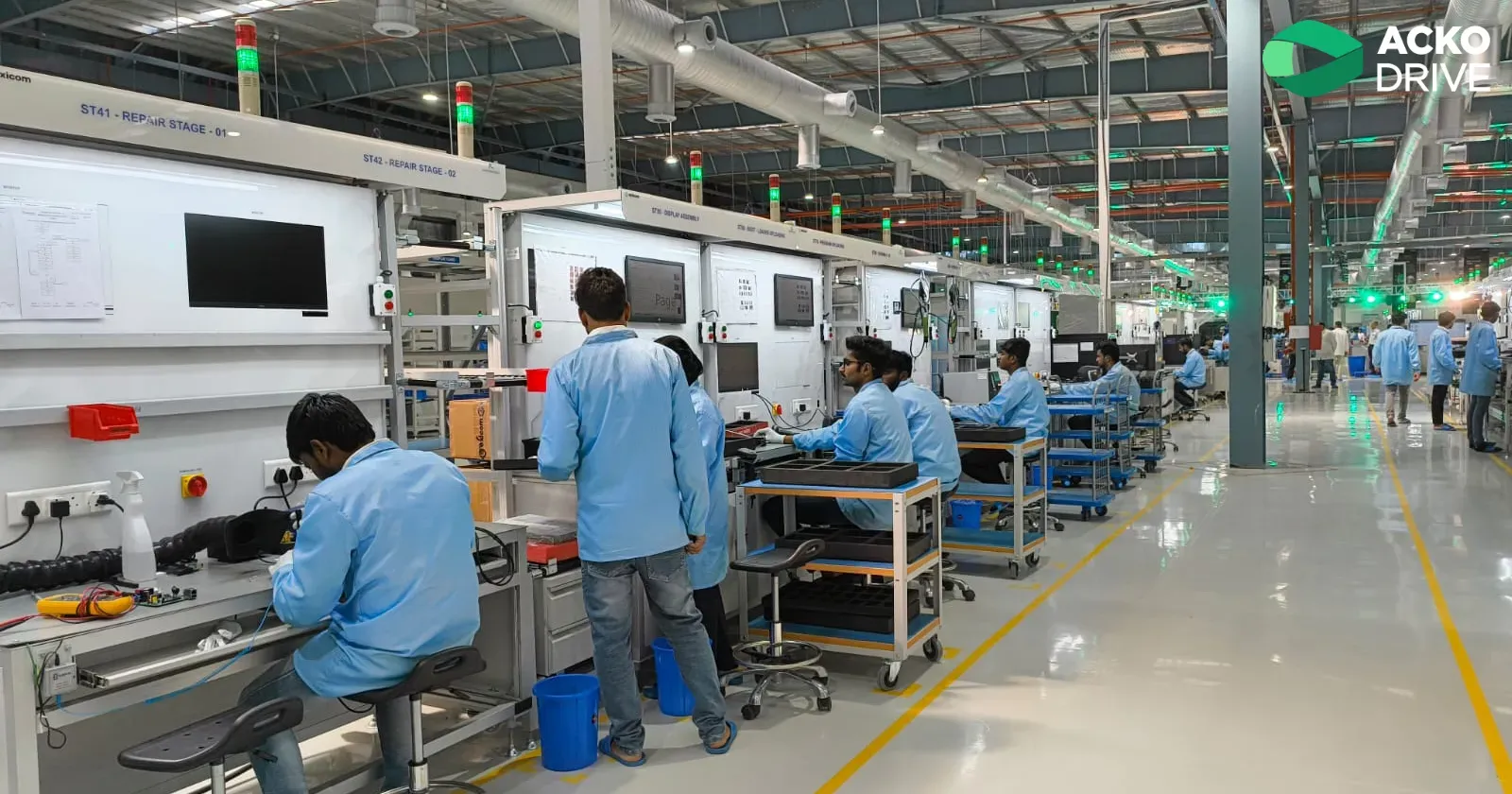
This level of data collection allows the company to detect potential quality issues early and refine production processes over time. Engineers also use historical data from more than 100,000 previously produced chargers to improve testing conditions and product design. In the future, this data could help automate more assembly steps and reduce manual labor requirements.
Tritium Technology and Liquid-Cooled Charging Modules
Another important development discussed was Exicom’s collaboration with Tritium on advanced DC fast charging technology. Tritium recently introduced a liquid-cooled charging platform known as Triflex. While full-scale production of these chargers is not yet planned in Hyderabad, the company intends to manufacture key components there.
Also READ: Exicom Inaugurates New Integrated Facility In Hyderabad
Specifically, Exicom plans to produce 25 kW and 50 kW AC-DC liquid-cooled modules, which are critical components in high-power chargers. The modules will be manufactured in Hyderabad and then shipped to Tritium’s Tennessee facility, where they will be assembled into finished chargers.
Long-Term Localisation Plans
Looking ahead, Exicom aims to gradually localise more of Tritium’s technology in India. The first step in that process is establishing module manufacturing in Hyderabad. Over time, the company hopes to produce complete Tritium charging systems in India as well. This would allow the company to supply advanced chargers not only to Indian customers but also to Southeast Asian markets.
For now, the immediate milestone is the launch of module production at the Hyderabad facility, which the company confirmed will begin soon. As EV adoption accelerates globally, investments like these suggest that India’s charging infrastructure manufacturers are positioning themselves to play a larger role in the international EV ecosystem.