

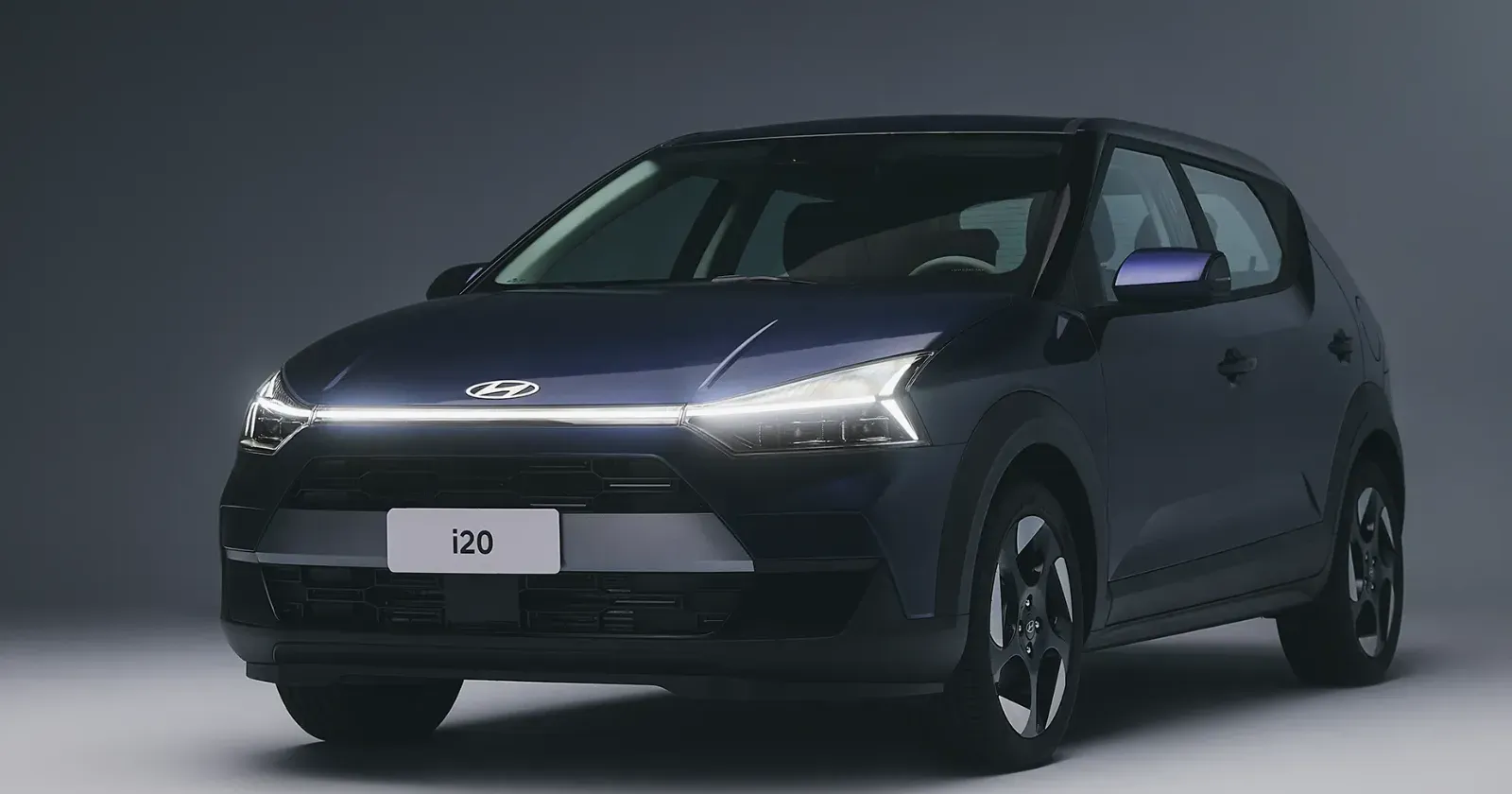
Hyundai’s fourth-generation i20 has made its Brazil debut with crossover design cues, a K3-derived platform, connected tech and petrol-flex powertrains. There is no confirmed India launch yet, but the model points to how premium hatchbacks are being repositioned in markets where compact SUVs dominate.
Hyundai has introduced the next-generation i20 in Brazil, positioning the model between conventional hatchbacks and compact SUVs in one of the world’s more ethanol-focused automotive markets. The Brazil-spec i20 is based on an evolution of the Hyundai-Kia K3 platform and will be produced at Hyundai’s Piracicaba plant, where the company also builds the HB20 and Creta for Brazil. Initial production is earmarked for the domestic Brazilian market.
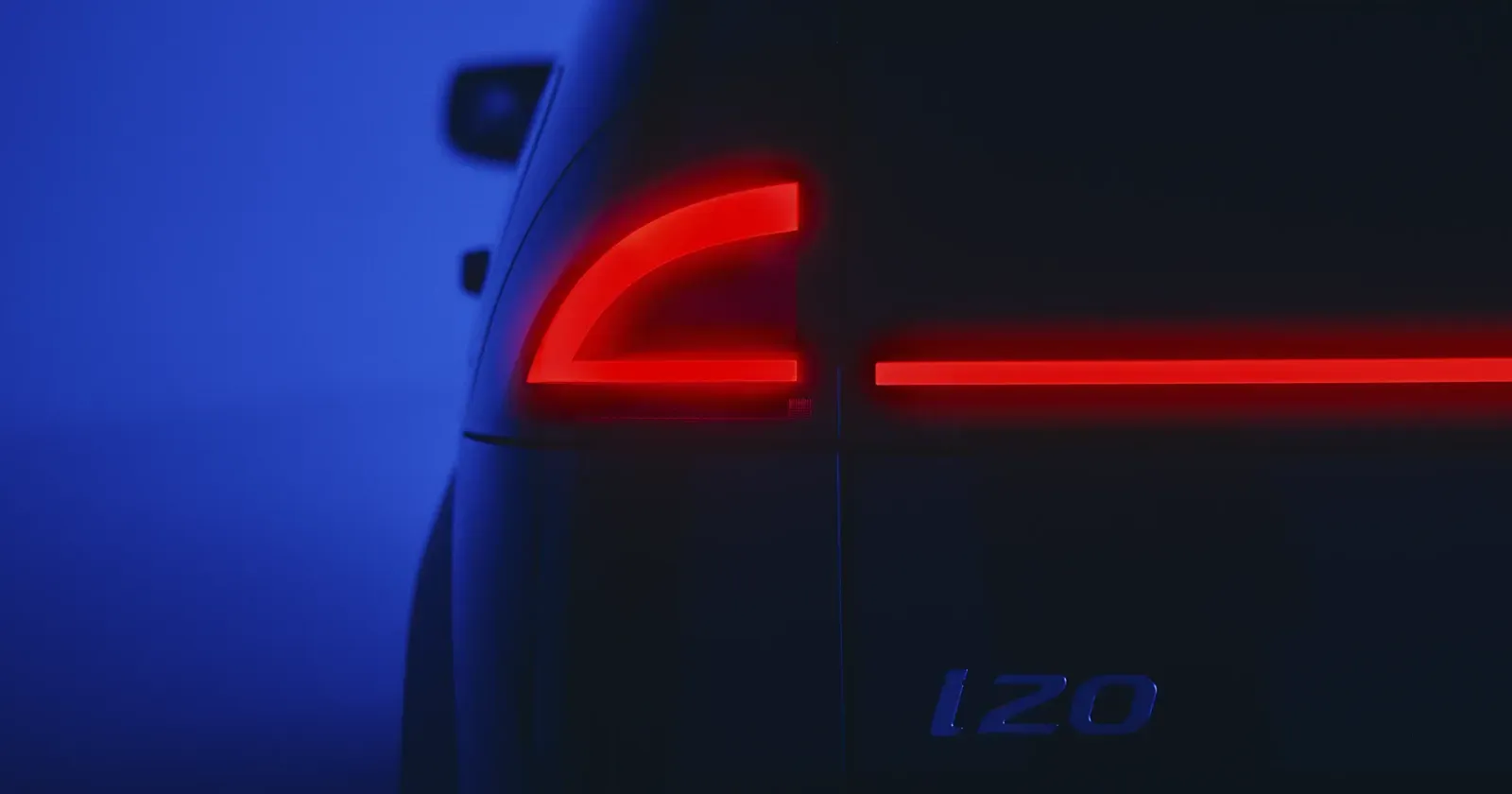
The move underlines a broader shift in small-car strategy. Rather than following the traditional premium hatchback template alone, Hyundai has given the new i20 a more crossover-influenced stance, with black body cladding, connected LED light signatures at the front and rear, a high waistline and wheel options up to 17 inches. The Brazil model measures 4,130mm in length and 1,780mm in width, while retaining a 2,580mm wheelbase. Boot capacity is rated at 346 litres, up on the current India-spec i20.
The powertrain line-up in Brazil comprises two 1.0-litre three-cylinder petrol-flex engines. The entry motor is a naturally aspirated 998cc unit offered with a 5-speed manual gearbox, producing 75hp on petrol and 80hp on ethanol. Higher variants use a 1.0-litre turbocharged direct-injection engine paired with a 6-speed automatic, developing 115hp and 172Nm. The turbo unit is related to the engine already familiar to Indian buyers in the i20 N Line.
Hyundai is offering the model in Brazil across Comfort, Limited, X Line, Platinum and Ultimate trims, with prices ranging from R$99,990 to R$139,990 (₹18-26.51lakh approximately). The official Brazilian price list places the 1.0 MPI Comfort at the entry point, while the top-spec Ultimate uses the 1.0 TGDI engine.
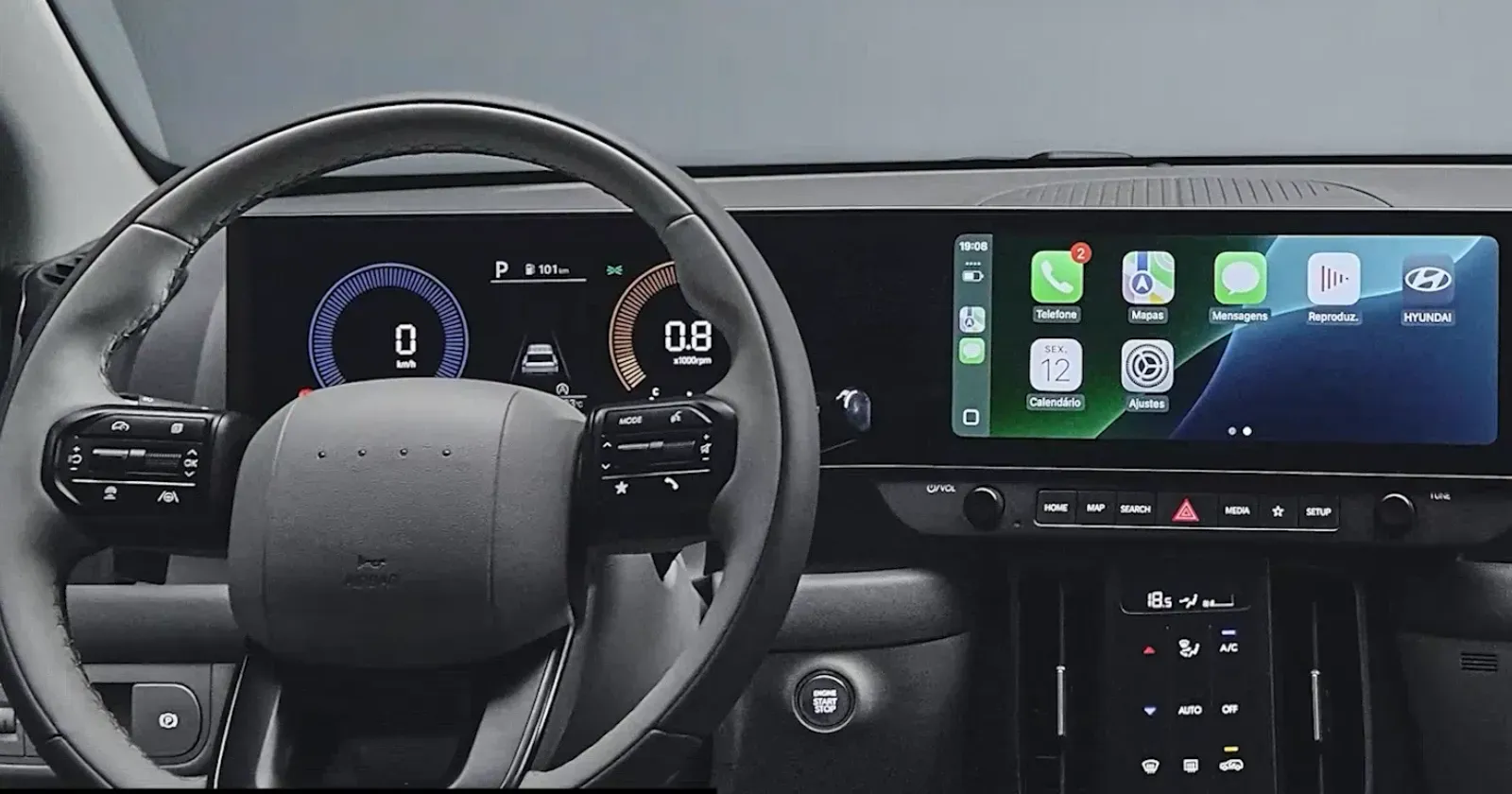
The equipment list is significant for a car of this size. Standard features include six airbags, electronic stability control, hill-start assist, tyre pressure monitoring, rear parking sensors and a reversing camera. Depending on trim, the i20 also gets Hyundai SmartSense ADAS, including adaptive cruise control, autonomous emergency braking, lane-keeping assistance, blind-spot monitoring and rear cross-traffic alert. Higher trims add dual 12.3-inch screens, wireless smartphone connectivity, connected-car technology, OTA updates, wireless charging, rear AC vents and an electronic parking brake.
For India, the development is important but not yet a launch signal. Hyundai has not confirmed plans to bring the fourth-generation i20 here, where the current model continues in the premium hatchback space against the Maruti Suzuki Baleno, Tata Altroz and Toyota Glanza. The Indian market has also moved decisively towards compact SUVs and crossover-styled hatchbacks, putting pressure on conventional hatchback volumes.
The Brazil-spec i20 suggests Hyundai is testing a more SUV-adjacent formula for the nameplate: more equipment, more visual bulk and a stronger technology pitch. Whether that strategy eventually feeds into India will depend on localisation, sub-four-metre packaging, price sensitivity and Hyundai’s wider small-car portfolio planning.