Tata Sierra EV vs Competitors
Against the Mahindra XEV 9S, however, the comparison is more nuanced. The XEV 9S is a larger, electric-origin seven-seat SUV, priced from ₹19.95 lakh to ₹29.45 lakh. Its 59 kWh, 70 kWh and 79 kWh battery options give it a wider technical ladder, with the 79 kWh version claiming up to 679 km of MIDC range. For buyers who need three rows, it has a clear packaging advantage. For buyers who want a sharper five-seat SUV with AWD traction and a lower top-end price, the Sierra EV makes a strong counter-argument.
The Mahindra BE 6 remains the more performance-focused rival, with 59 kWh and 79 kWh battery options, rear-wheel drive, and up to 682 km of claimed range in higher variants. Its pricing stretches higher than the Sierra EV, but its 79 kWh derivative has stronger outright output than the Sierra’s rear-wheel-drive versions. The Sierra’s advantage lies in its broader family-SUV positioning, boot space, cabin tech, and availability of QWD.
The Hyundai Creta Electric and Maruti Suzuki e Vitara play a different game. They lean more towards familiarity, dealer reach, lower running-cost confidence, and mainstream ownership. The Creta Electric offers 42 kWh and 51.4 kWh battery packs with claimed range of up to 510 km, while the e Vitara offers 49 kWh and 61 kWh packs, with full-ownership prices starting lower than the Sierra EV, plus a battery-as-a-service route that lowers acquisition cost further.
MG’s ZS EV, now priced more aggressively, remains relevant on value, ADAS equipment, and brand familiarity, but its 50.3 kWh battery and 461 km claimed range put it below the Sierra EV on long-distance positioning.
The timing is important. Tata has been India’s early EV market leader, but Mahindra, Hyundai, Maruti Suzuki and MG are now crowding the ₹18 lakh–₹30 lakh electric SUV space. Tata Motors Passenger Vehicles managing director Shailesh Chandra has said the company expects passenger EV penetration in India to be around 7–8 per cent in the current fiscal and above 10 per cent in FY28, underlining why this segment is becoming a strategic battleground.
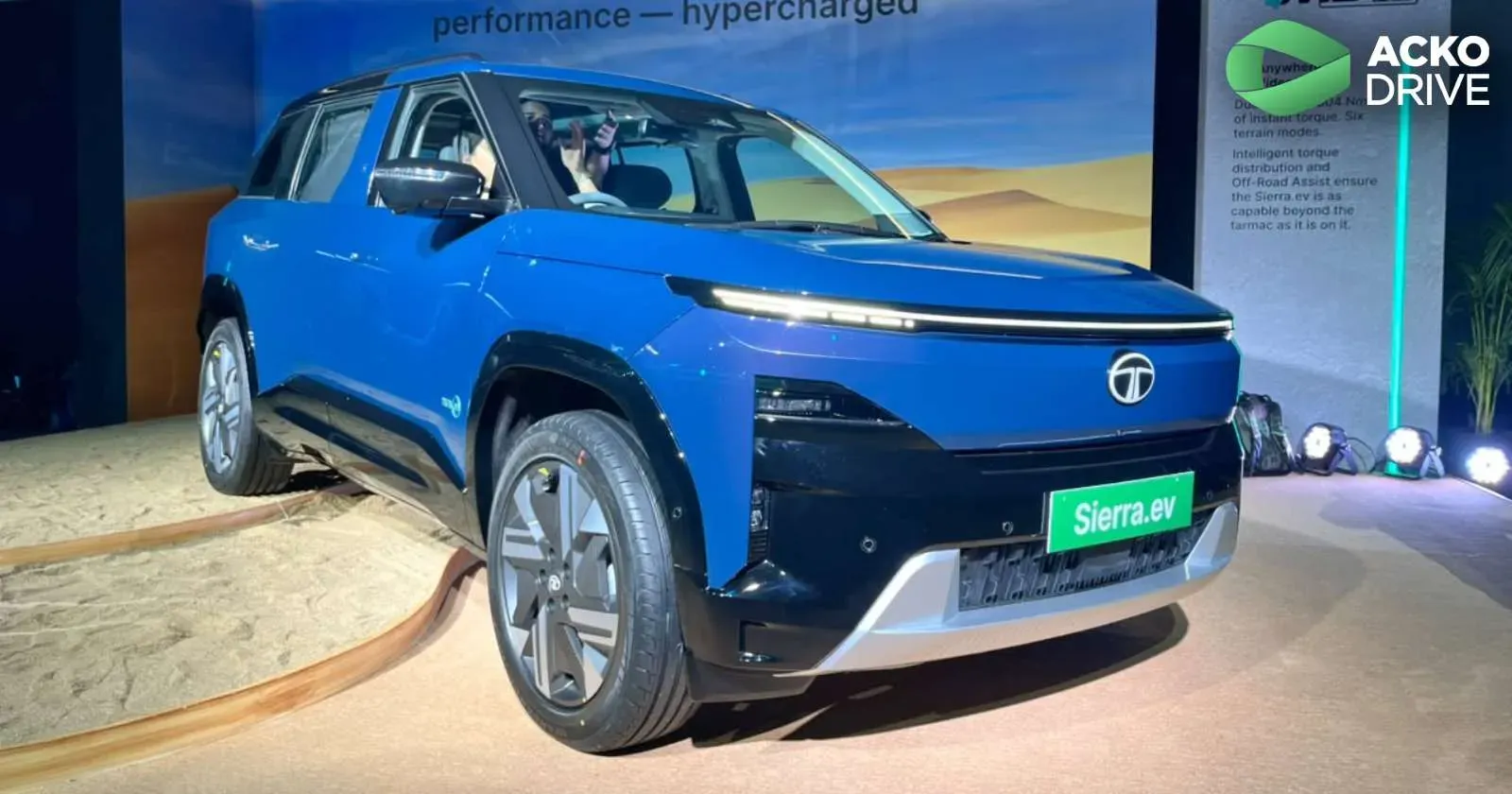
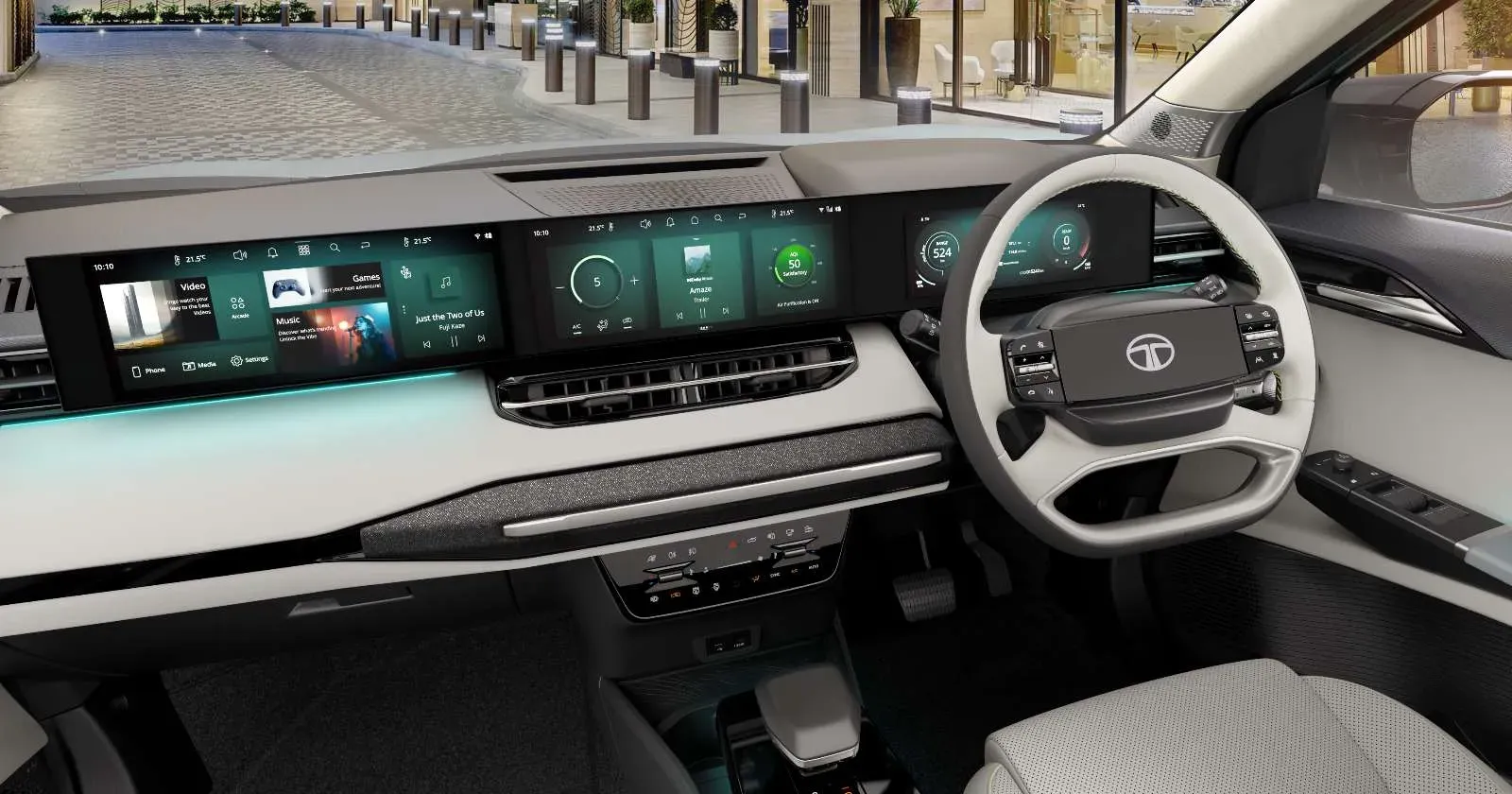
For now, the Sierra EV’s strongest pitch is not simply nostalgia. It is the combination of range, AWD availability, premium cabin equipment, and a price ceiling below Mahindra’s larger electric SUVs. The XEV 9S is the better answer for three-row family use, the BE 6 for buyers prioritising performance and range, and the Creta Electric or e Vitara for buyers who value mainstream familiarity. The Sierra EV sits between them, and that may be exactly where Tata wants it.