

The Swedish carmaker will build future safety systems on Nvidia's Hyperion and Halos technology, with the first features arriving before 2030 and no rollout plans yet for India.
Volvo Cars has expanded its partnership with Nvidia to develop a new generation of automated-driving safety technology, the two companies announced on 15 October, deepening a collaboration that dates back to 2016.
Under the expanded deal, Volvo will combine its own vehicle-safety engineering with Nvidia's Hyperion sensor-and-compute architecture, its Halos safety operating system, and the Alpamayo Stack, Nvidia's driving-software layer. The aim is to gradually introduce hands-free and, eventually, "eyes-off" driving. The first systems to reach production, however, will remain supervised, with the driver still responsible for the vehicle.
Alwin Bakkenes, Volvo's head of software engineering, has said the technology should appear in production cars before 2030, launching in several regions simultaneously but excluding China. Neither company named the model that will introduce the system, nor disclosed the commercial terms of the arrangement.
Also read: Volvo EX90 vs Volvo XC90: What’s Different?
"Volvo has been synonymous with car safety for almost 100 years," said Håkan Samuelsson, president and chief executive of Volvo Cars. "By working with Nvidia, we bring together two distinct strengths: industry-leading safety knowledge and world-class AI technology. That combination gives us a unique opportunity to create safer and more attractive cars for our customers." Nvidia founder and chief executive Jensen Huang said accelerated computing had turned the car into "an intelligent machine that can understand the world around it".
The announcement follows Volvo's unveiling, last month, of its largest-ever product plan: 13 new models by 2030, split between Western markets and China, as the carmaker tries to lift a profit margin that stood at 3.5 per cent in 2025. Days after setting out that plan, Volvo withdrew its 2026 sales and cash-flow guidance, citing market uncertainty — a reminder of the financial pressure it faces even as it commits to costlier software and computing hardware.
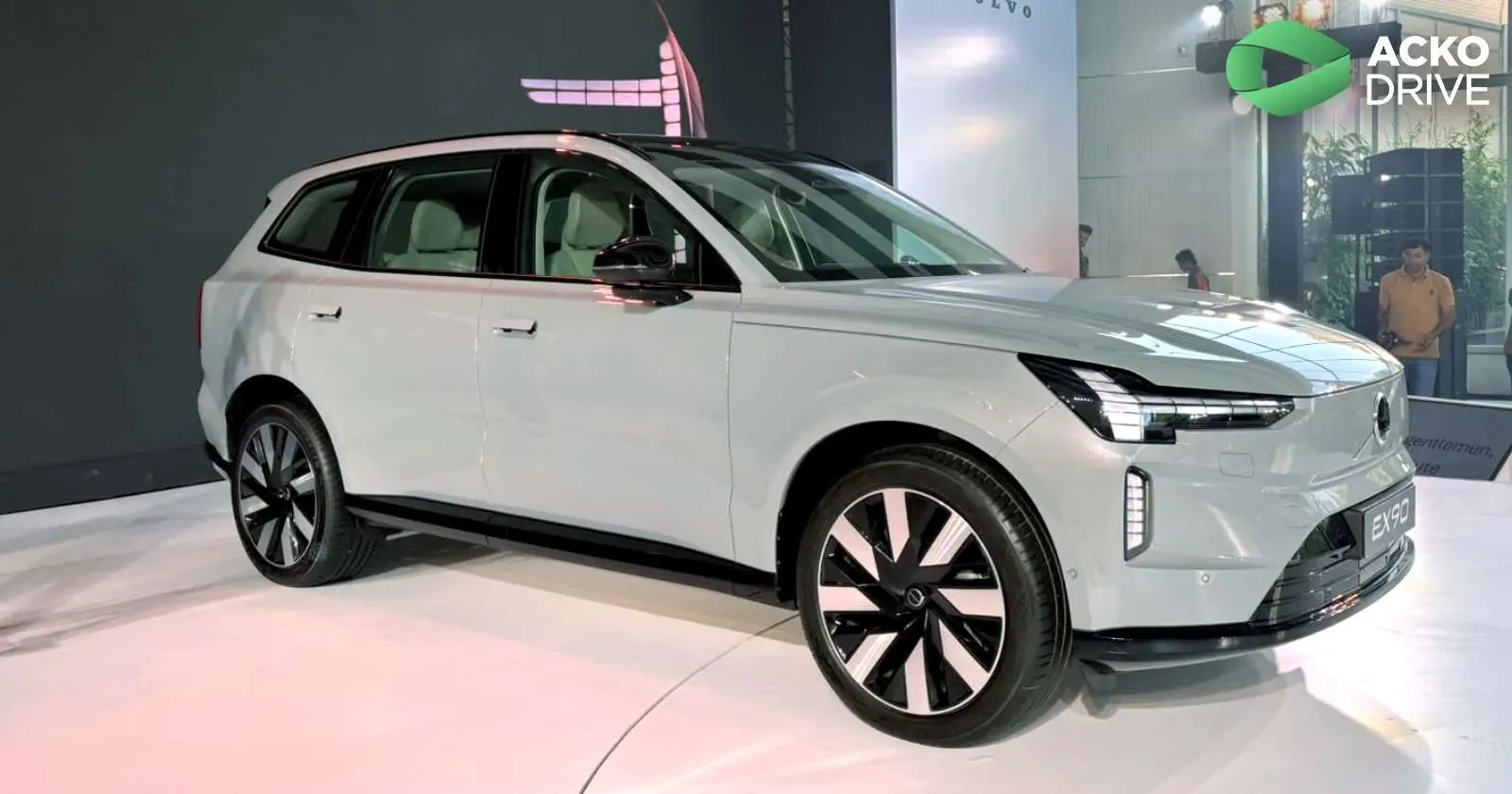
Its newly launched EX90, in India, priced from ₹1.26 crore, already runs on Nvidia's in-car computing hardware and offers driver-assistance features such as adaptive cruise control and collision avoidance. The partnership nonetheless underlines how central Nvidia's chips and software have become to the global contest among carmakers to build safer, software-defined vehicles — even as the timeline for genuinely hands-off driving stretches well into the next decade.