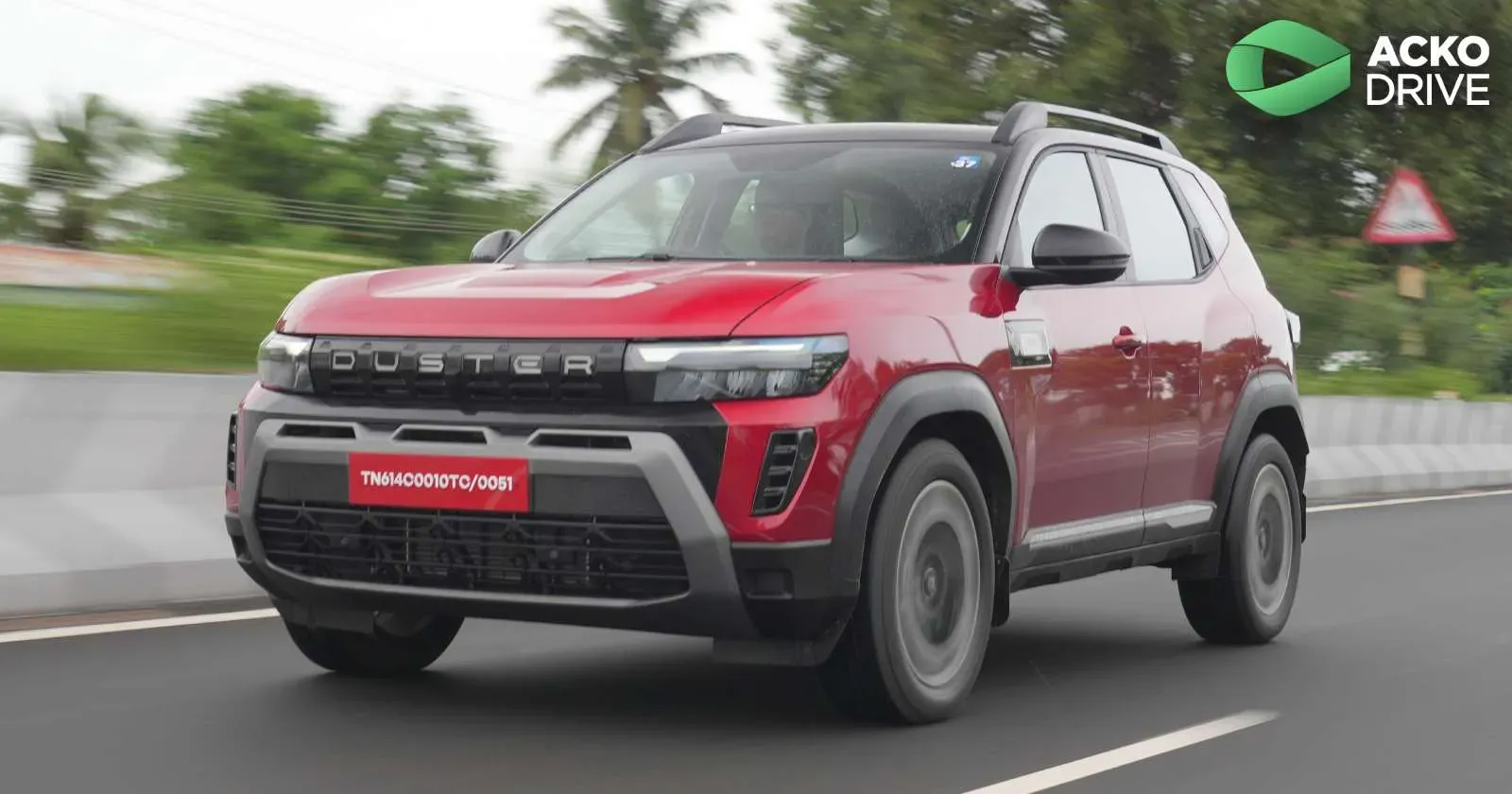
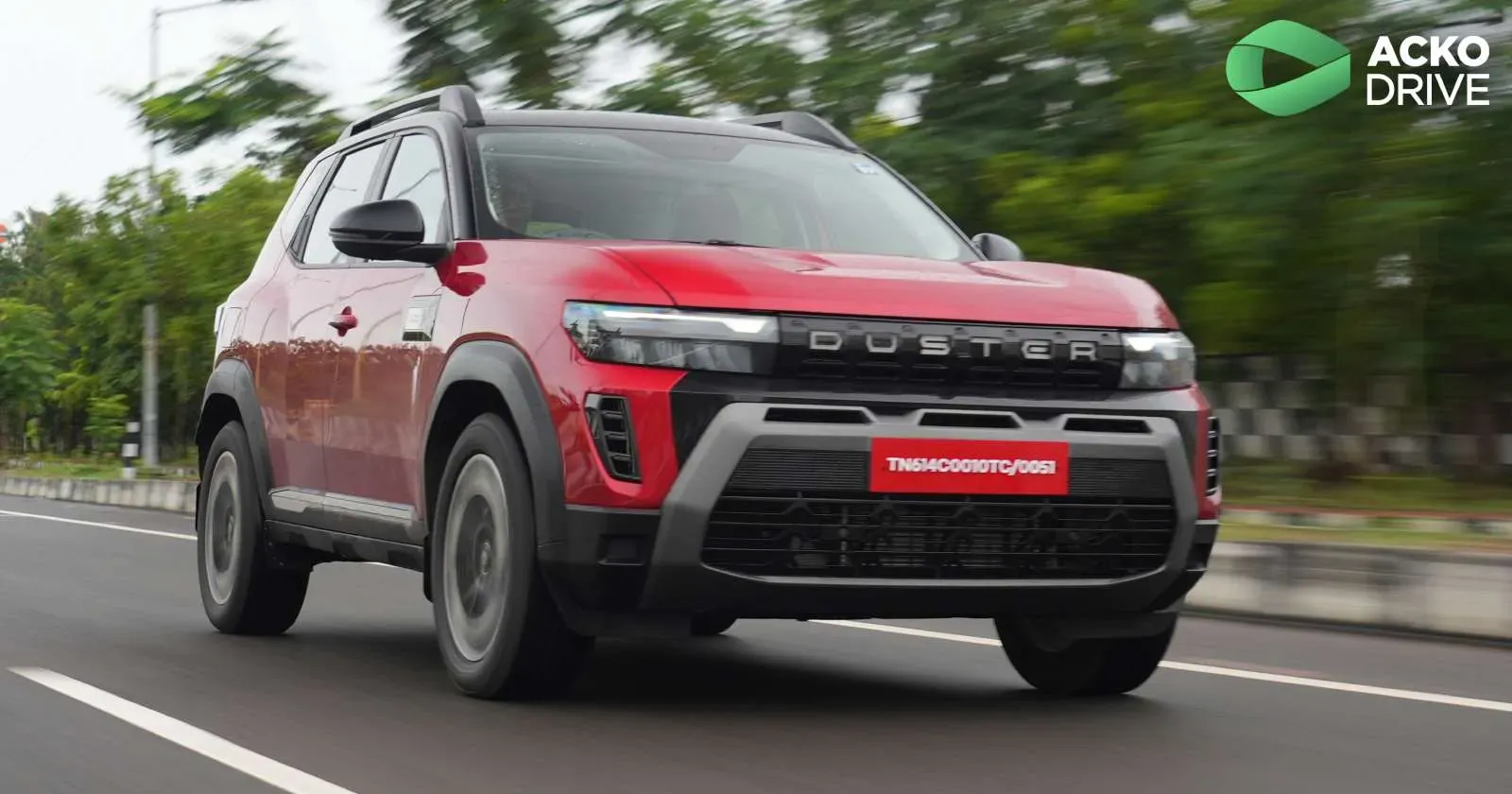
This is easily the most fun-to-drive hybrid in the segment, but that’s just one part of its story.
In this article
Renault wants you to forget diesel. Instead, the automaker is pivoting towards electrification, and hybrid tech promises the torque and efficiency of a diesel without the emissions. This is Renault's global technology coming to India and arguably the most advanced in the segment yet. The automaker claims fuel efficiency of 29 kmpl (certified), and that is better than any petrol or diesel engine in this segment. How does it work out in the real world, though? Well, we've fueled up, the trip meter is set to zero, and it's now time to find out.
Renault Duster Hybrid Powertrain
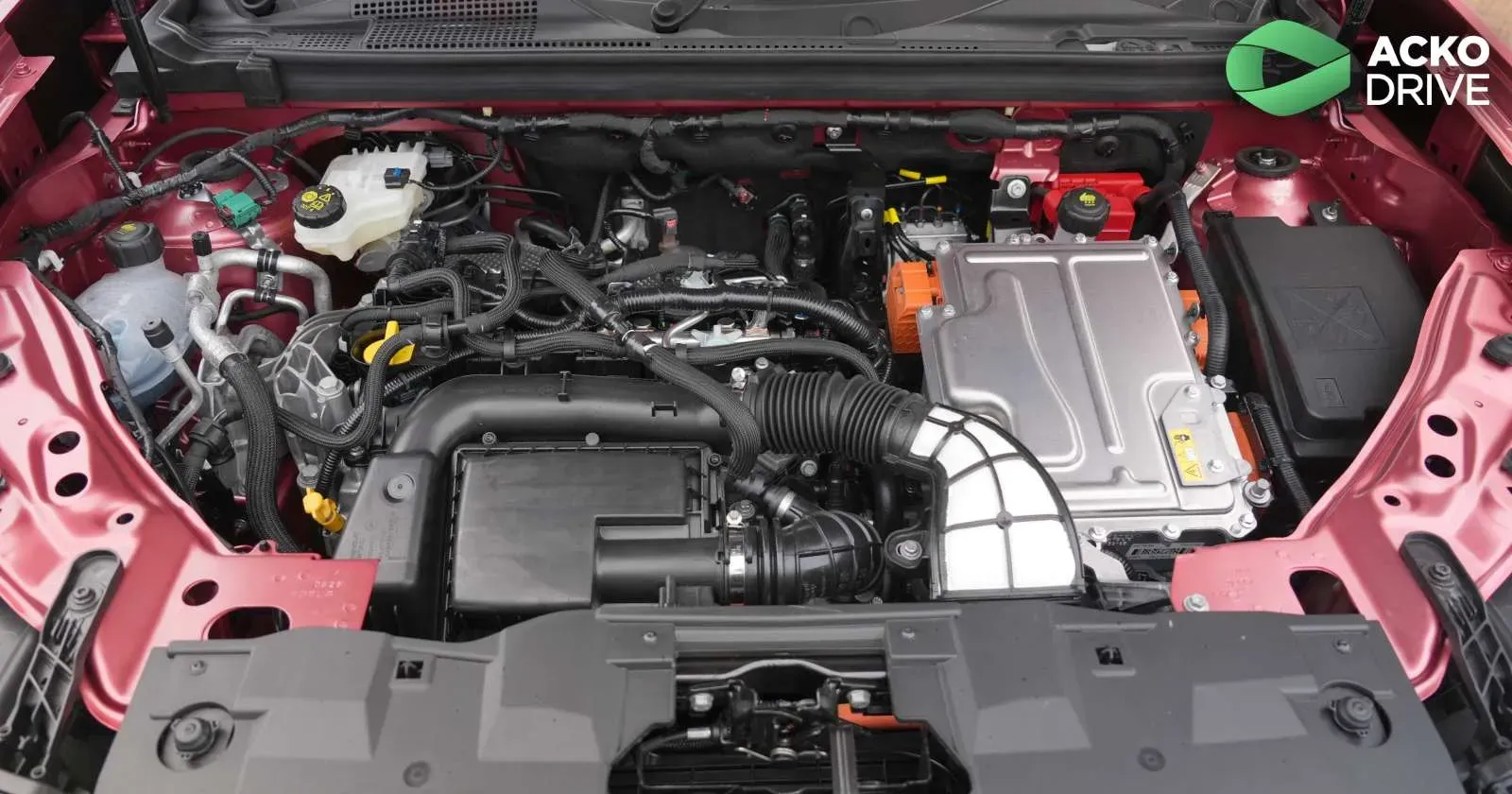
The 1.8-litre engine powering the new Duster is the biggest in the segment, and so is the 1.4 kWh battery pack. The Atkinson cycle engine makes 108 bhp and 175 Nm. It’s aided by two electric motors — a high-voltage starter generator that starts the engine, smoothens gear shifts, and charges the battery through braking recuperation, and a second traction motor that powers the front wheels. The combined output stands at 158 bhp and 208 Nm.
The engine and motors work in tandem to power the wheels. You have six driving modes: All-Electric, Energy Recover, Series Hybrid, Series-Parallel Hybrid, Petrol Only, and Charging via Petrol Engine.
About 80 percent of driving in the city can happen in the EV mode, and that's where you have the least fuel consumption. It's really impressive. It immediately switches to EV mode when you're starting the car, when you're in bumper-to-bumper traffic, and even when you're idling. All of that can be managed in the EV mode alone. And it's only when the battery level goes down that the car starts its petrol engine, and very audibly so, to ensure that you know the battery is getting charged.
You could drive for about 300 to 400 metres in the petrol mode and then it'll automatically switch to EV mode, especially in the city. That's what I've been seeing across our drive today. Out on the highway though that changes. You have a series parallel mode where the engine and the electric motor are working together to power the wheels and you also have the petrol mode at higher speeds where the petrol engine is doing most of the heavy lifting, when it comes to overtakes or when you want to go at higher speeds especially triple-digit speeds.
Yes, it’s not as powerful as the diesel options in the segment, but the Duster Hybrid is quick. Zero to 100 kmph comes up in just 9.6 seconds, and the mid-range has a strong surge.
Renault Duster Hybrid: How Does it Drive?
Compared to other hybrids in the segment, the Duster hybrid definitely feels more powerful. Torque is immediate. There is a nice surge and at no point does it feel like a lethargic car. Efficiency is great but you also get the fun-to-drive quotient that you normally associate with the Duster.
There is none of the diesel clatter, but the engine is vocal at high speeds, and the strong hum of the motor creeps into the cabin.
What's also interesting is the gearbox selection on the hybrid version. It's a multi mode gearbox. You have four gears paired with a petrol engine and you have two gears paired with the electric motor. Now the combination of this works like an 8-speed automatic gearbox. There is a bit of hesitation when you're trying to overtake. You can feel the gears doing their work and changing, and you do see that little hesitation before you surge forward, especially in terms of roll on acceleration. Not a problem but yes, something that's very evident.
The Hybrid maximises efficiency with a dedicated Eco mode, while there’s an E-Save option too, which holds more charge in the battery pack to extend the EV mode for longer.
Renault Duster Hybrid Ride Quality
The Duster hybrid is about 100 kg heavier than the petrol version, and to compensate for that, Renault has added frequency-dependent dampers to make the ride quality better. Frankly, this is on par with the turbo petrol version, and I think it's one of the best in the segment in terms of ride quality. It is just seamless and you feel the same way about the hybrid version as well. It just gobbles up bad roads very well. A lot of people will like how high-speed stability works. It's just excellent and the FDD does a very good job at that. I love the turbo petrol for its ride quality and I'm happy to report that it continues with the hybrid as well.
There’s no change in the ground clearance and the hybrid is as sure-footed over rough roads as tarmac. The steering remains easy to use in traffic, and weighs up well as speeds climb. Braking is decent and Renault did re-calibrate the hardware to account for the additional weight and components.
Renault Duster Hybrid Styling Differences
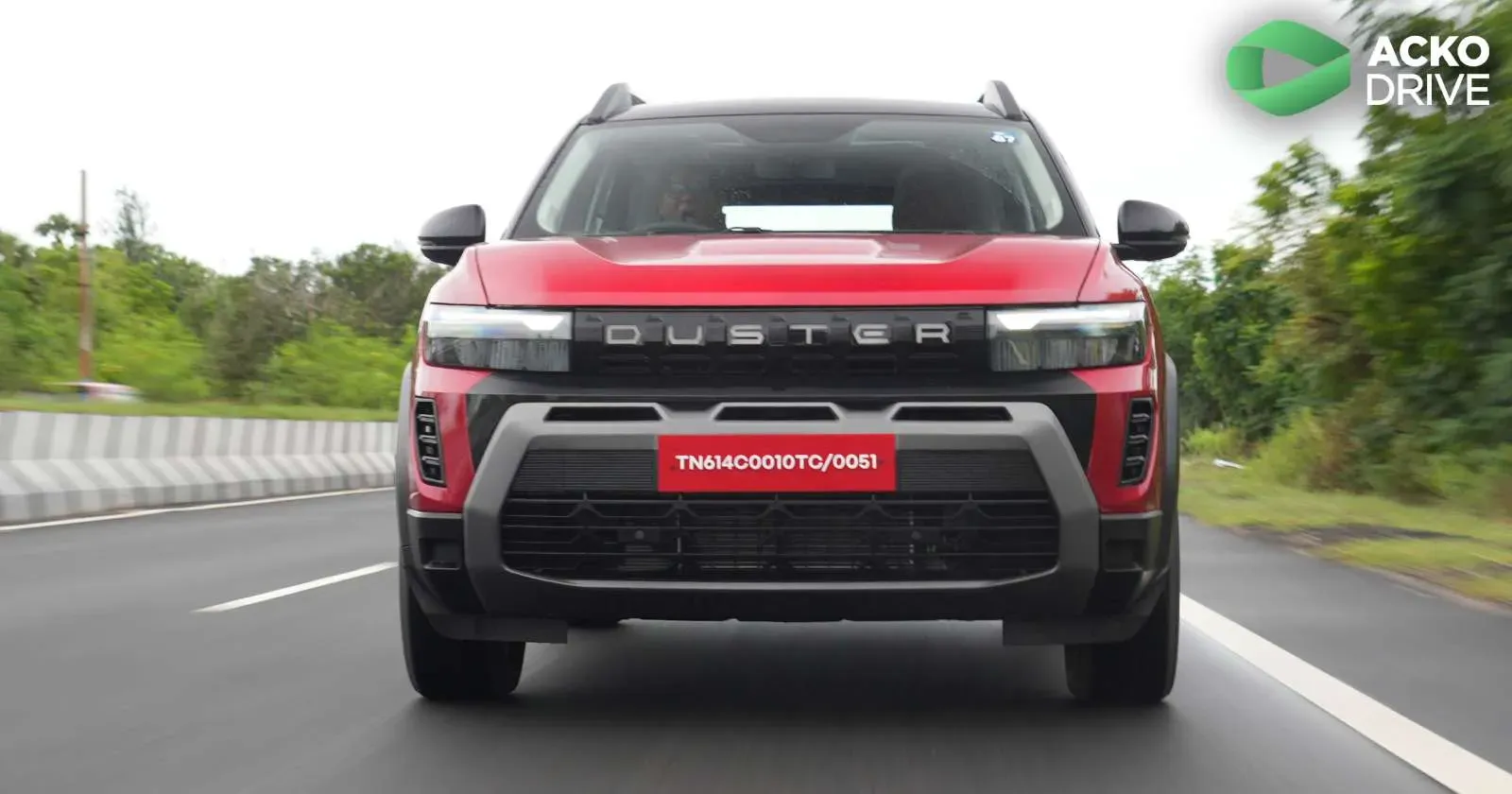
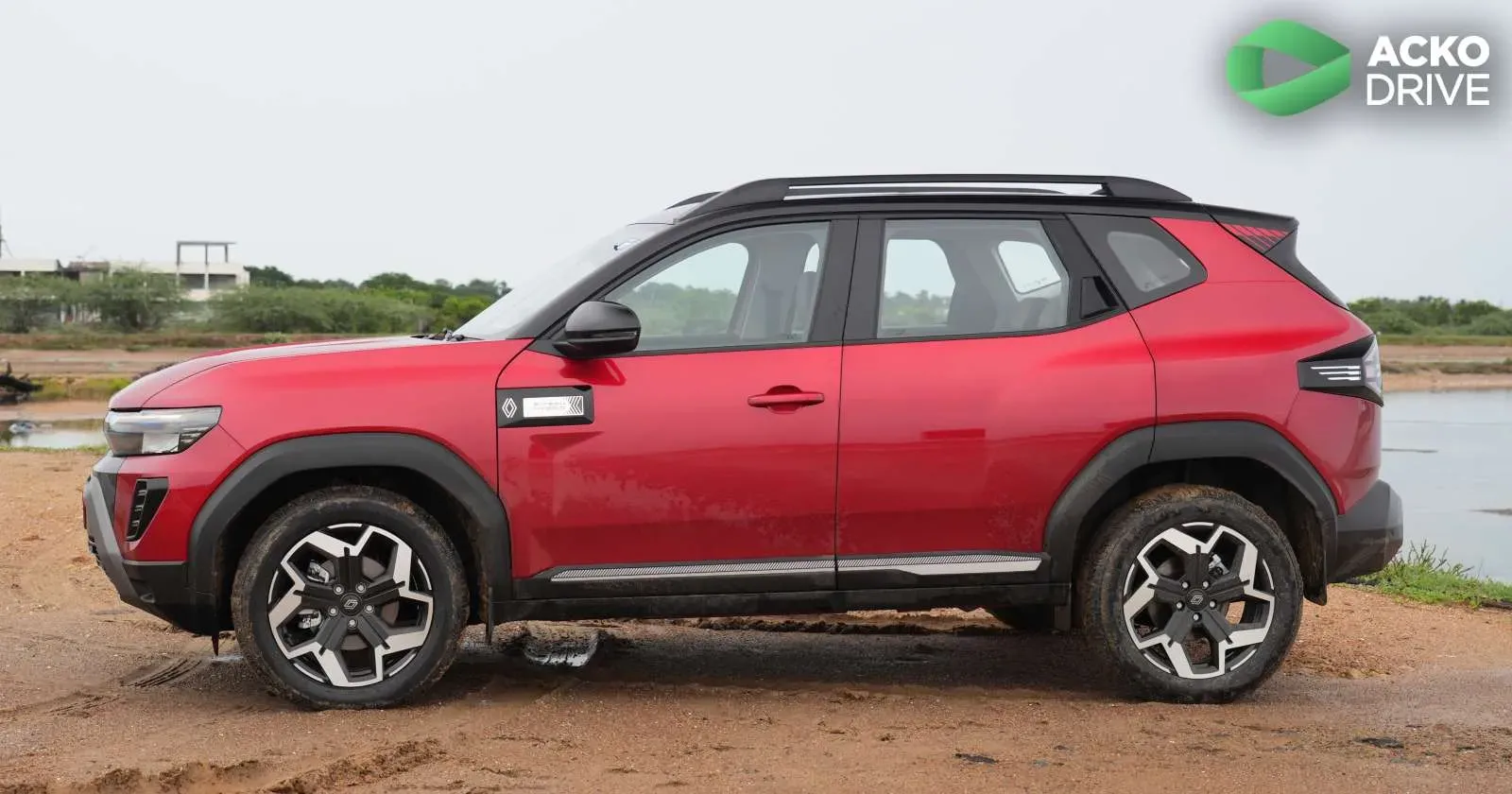
The Hybrid looks exactly the same as the turbo-petrol, but gets some drama with the illuminated Duster badge on the grille. However, this only stays lit for 30 seconds after the SUV has been turned on or off. Yeah, go figure! The 18-inch diamond-cut alloys are carried over, and the plaque on the front door reads E-Tech Hybrid. A little badge on the tailgate also does the same. A different colour would’ve been nicer on the hybrid.
Renault Duster Hybrid Cabin Changes
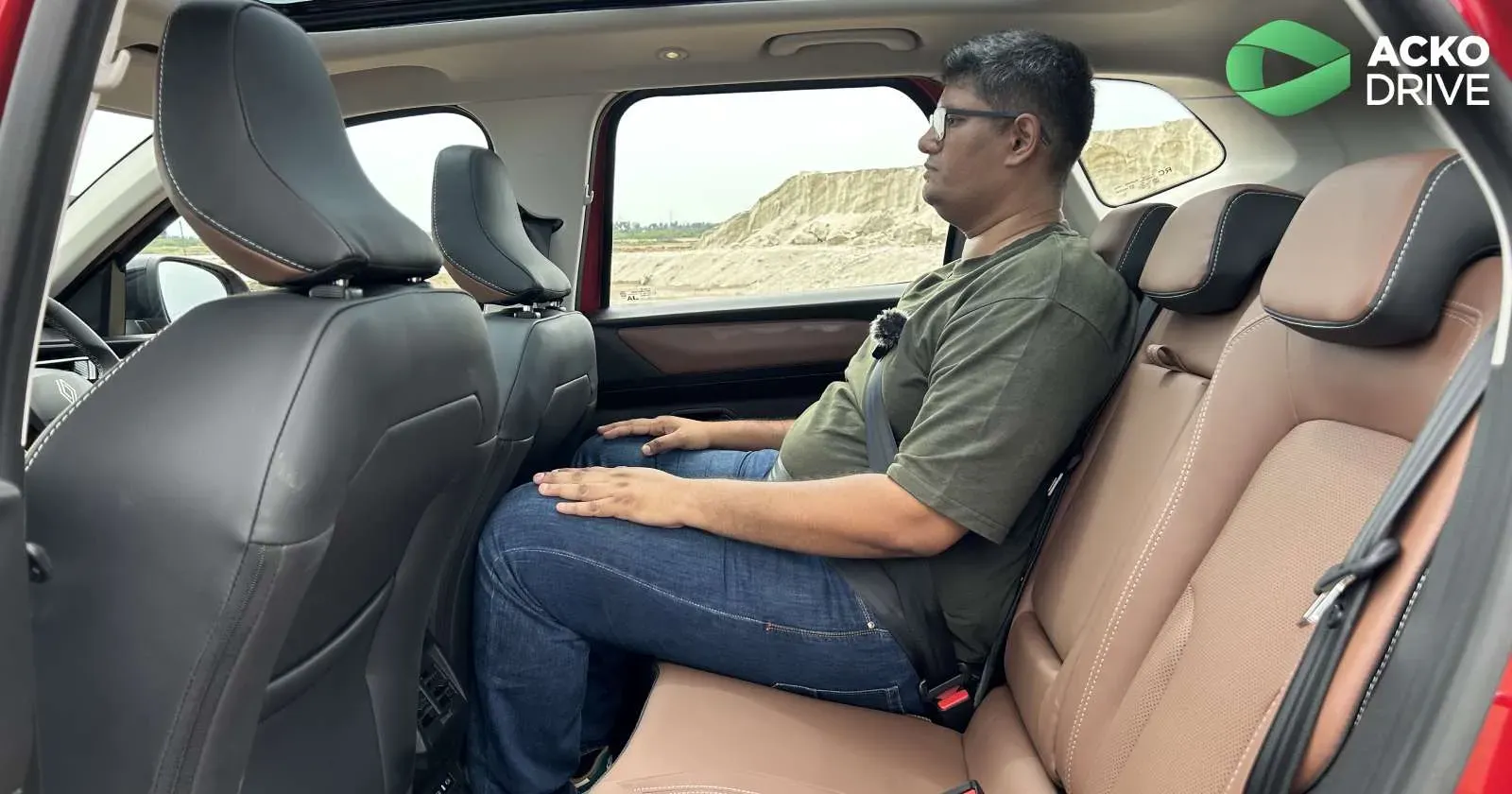
Inside, the black and grey interior has been swapped for the brown and black theme leatherette upholstery, which Renault calls Dune Brown. This looks much nicer, and even roomier, but is available specifically on the top Emotion trim. The dashboard layout is exactly the same and so is the fit and finish, which feels inconsistent for the price.
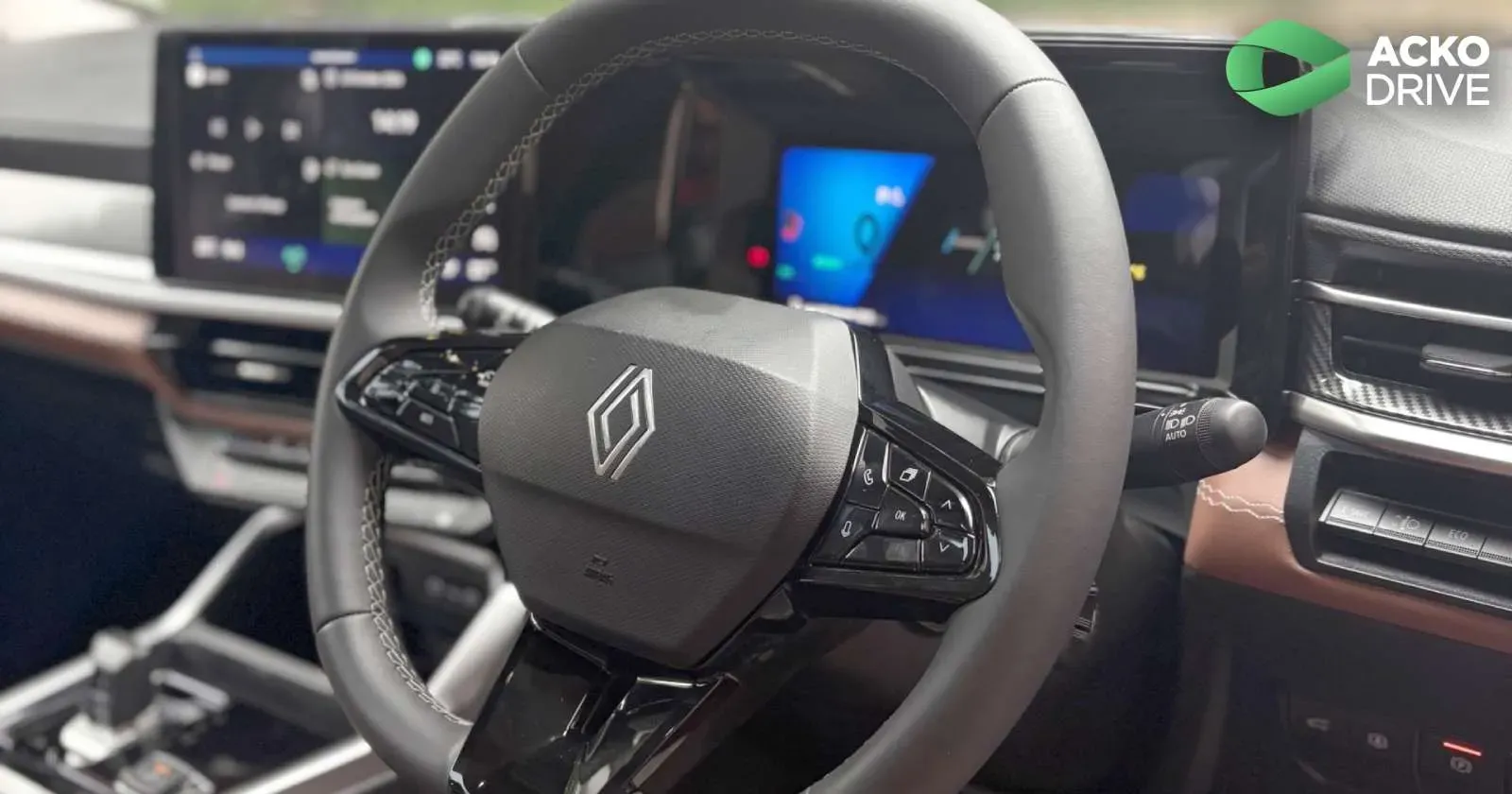
As far as features go, nearly everything has been carried over from the turbo-petrol version. You get the dual screens. You get the Google-based infotainment system angled towards the driver which actually is quite nice to use. You also get the panoramic sunroof and wireless charging. All of that is in place including the electrically adjustable seats for ventilation. What you do miss out on — two major features. The first one is L2 ADAS. That has been given a miss and that is a bummer. But I think the one that actually is a bigger miss is the 360-degree camera view. You don't get that. The reverse camera quality is not that great, and that feature could have added a more premium touch to the Duster Hybrid.
The rear seat space remains the same too. Headroom and legroom is plenty but under-thigh support is lacking, which will get uncomfortable over long distances.
Renault Duster Hybrid Boot Capacity Compromise
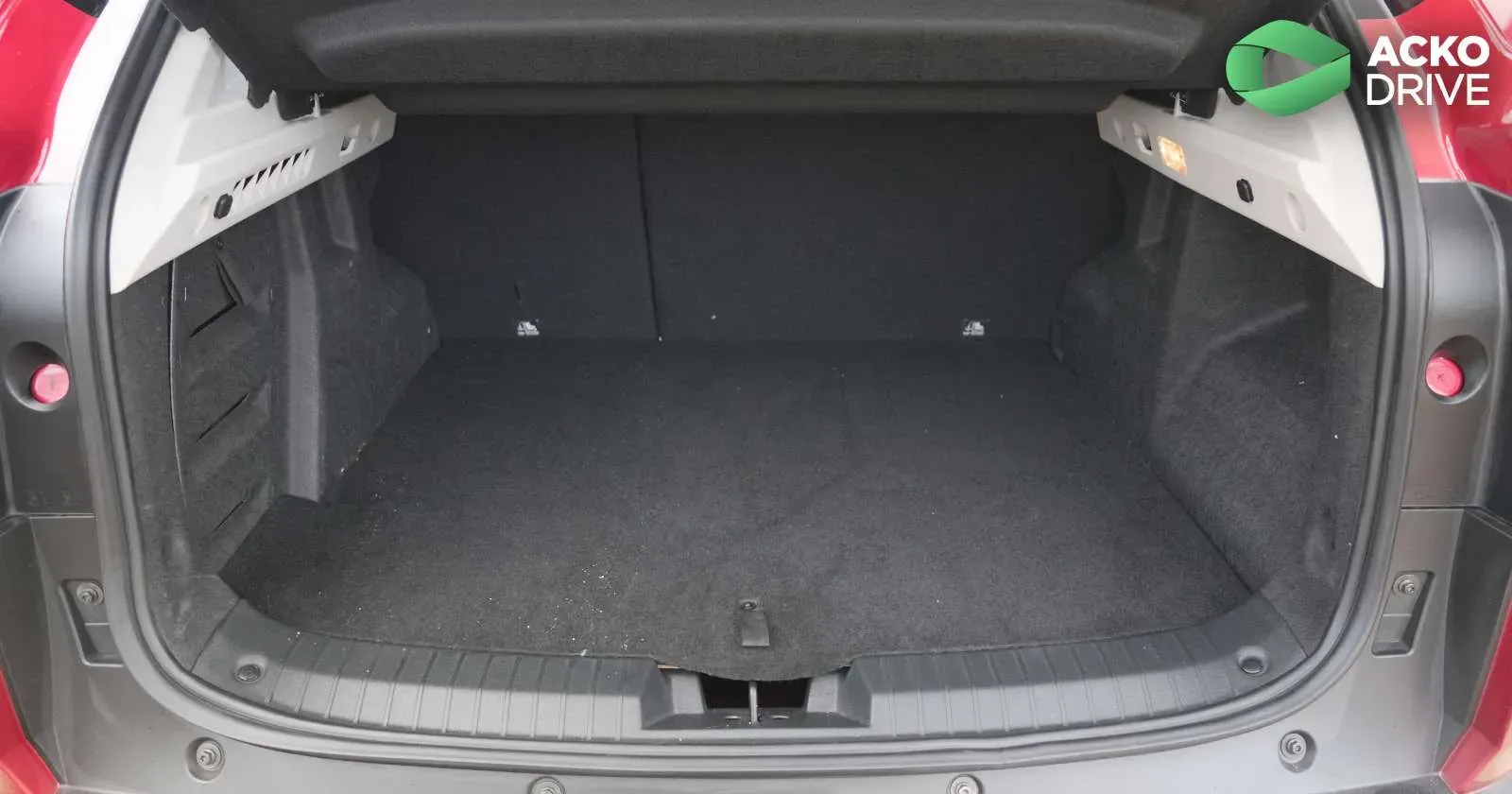
Outside of the illuminated duster logo on the grille, there's nothing really that's telling you that this is a hybrid. But the biggest giveaway is under the boot. Well, you see the battery pack, the 1.4 kWh unit is placed under here. So, it goes there and the compromise then is your boot capacity. Now, the spare wheel itself has been removed. It's been moved a little up and you have a tyre puncture repair kit over here. And the compromise is your boot capacity itself. This has gone down from 518 L on the regular turbo petrol to 372 L on the hybrid. Now, thankfully, it was always a generous boot, so the difference isn't that much. You can still fit about three midsize bags, a lot of duffel bags, all that can go in and it's still very usable but it's not as deep as it used to be. So, it's a little flat, just on the same level as a loading lip. So, maybe getting stuff in should be easier, but yes, a compromise for more efficiency.
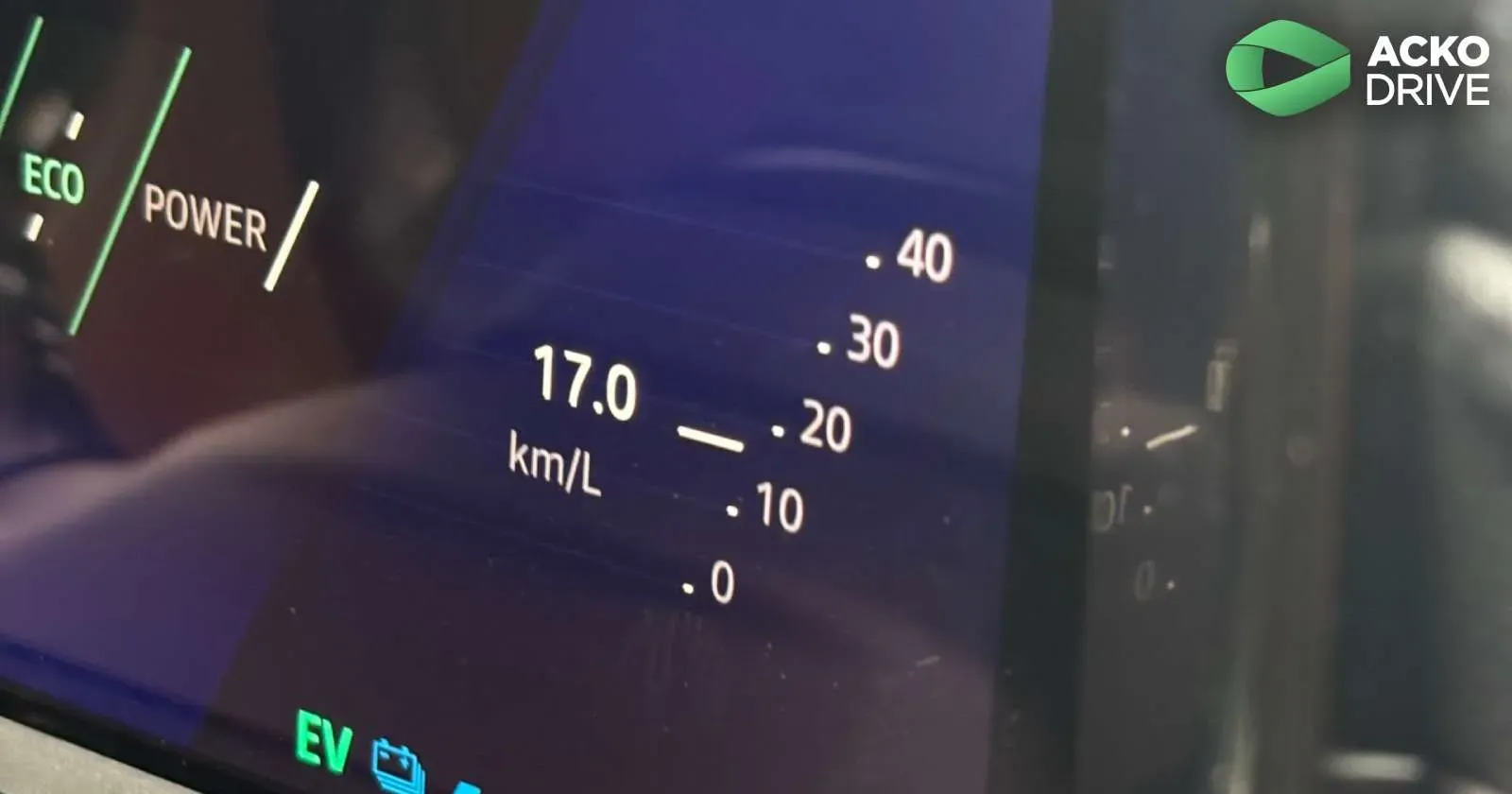
It's time for the big reveal: fuel efficiency in the real world on the Duster hybrid. Now, we started with a full tank and coming back after 110 km, we had an outer cutoff on the fuel pump at 6.5 litres. So, that was the consumption over 110 km and that translates to a real world range of 17 km per litre. Yes, it’s not as optimistic as the certified number, but as hybrids tend to go, you can expect to get closer to the claimed mileage the more you drive. We’ve seen figures change with other hybrids too, and with the right driving style, Renault’s claim of 1400 km on a single tank is achievable.
Renault Duster Hybrid Verdict
Renault surely has the advantage of a more fun and advanced powertrain. The automaker easily makes the most fun-to-drive hybrid in the segment, but that’s just one part of the story. A taller task, however, would be to match the combined might of Suzuki and Toyota when it comes to service in this space.
The carmaker has sweetened the deal with an 8 year, 1.6 lakh km warranty on the battery. That said, the Duster Hybrid should bode well for those looking to actively transition from diesel without compromising on efficiency; and at just ₹1 lakh more than the top-spec 1.3 turbo petrol, it’s well priced between ₹16.99 lakh and ₹19.49 lakh (ex-showroom). What Renault still needs to work on is the fit and finish of the car itself, so it matches the price; and perhaps, offer a more feature-laden variant, which customers are clearly willing to pay for.
A petrolhead with a penchant for travelling far and wide, I like my wheels - two and four - and sometimes even more. When not behind the wheel, you'll find behind the dining table gorging on some delicious cuisines.