3rd Gen Audi Q3 India Review: Audi's Make-Or-Break Moment?
The all-new Audi Q3 enters India's crowded entry-luxury SUV market. Locally assembled and featuring a fresh design, it prioritises a smaller, driver-focused experience. However, at the same time, it faces intense competition.
The third-generation Q3 is finally here, locally assembled and packed with tech. But can a compact, driver-focused SUV win in a market that wants bigger and more versatile cars?
Entry-luxury is a brutal segment. Rivals are bigger, better packaged and pitched on more space, more tech or a wider choice of powertrains. Into that crowded market, Audi is sending a smaller, driver-focused SUV: the all-new, third-generation Q3. Locally assembled, it builds on Audi's SUV legacy and brings the brand's new SUV design language to India.
The question is whether a compact car with such a particular character can still win when buyers seem to want something else.
Design: familiar Audi, with some neat tricks
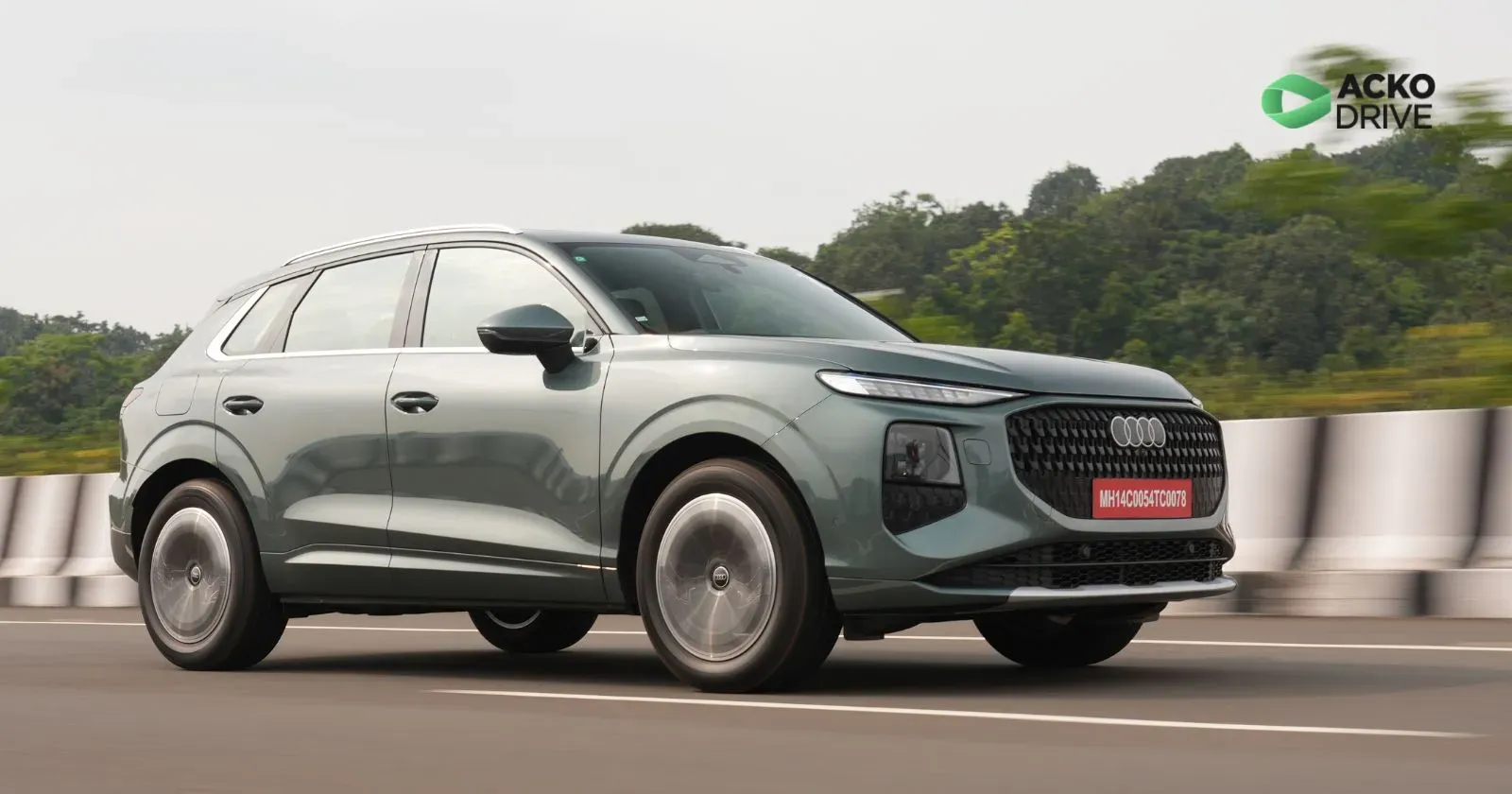
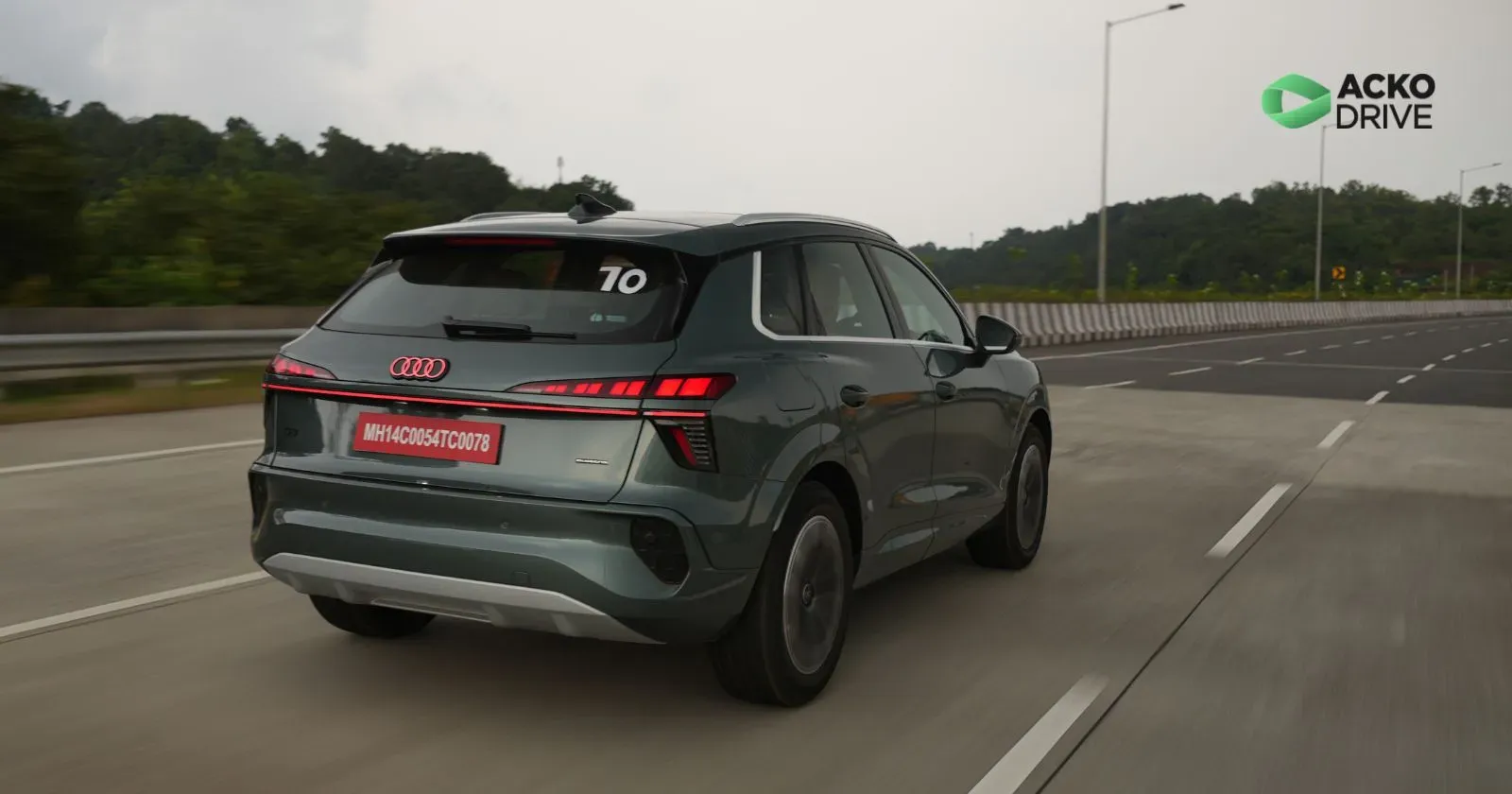
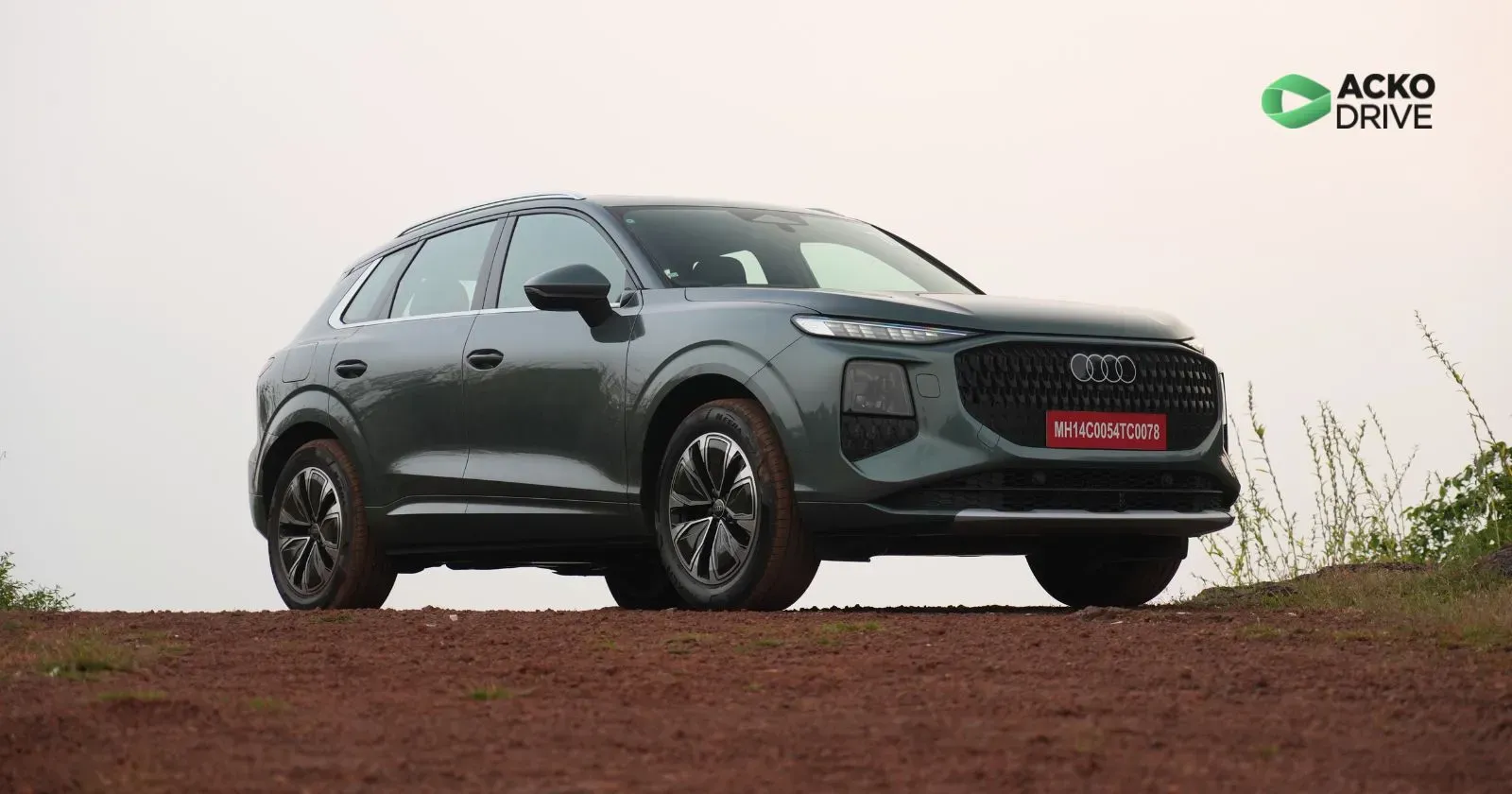
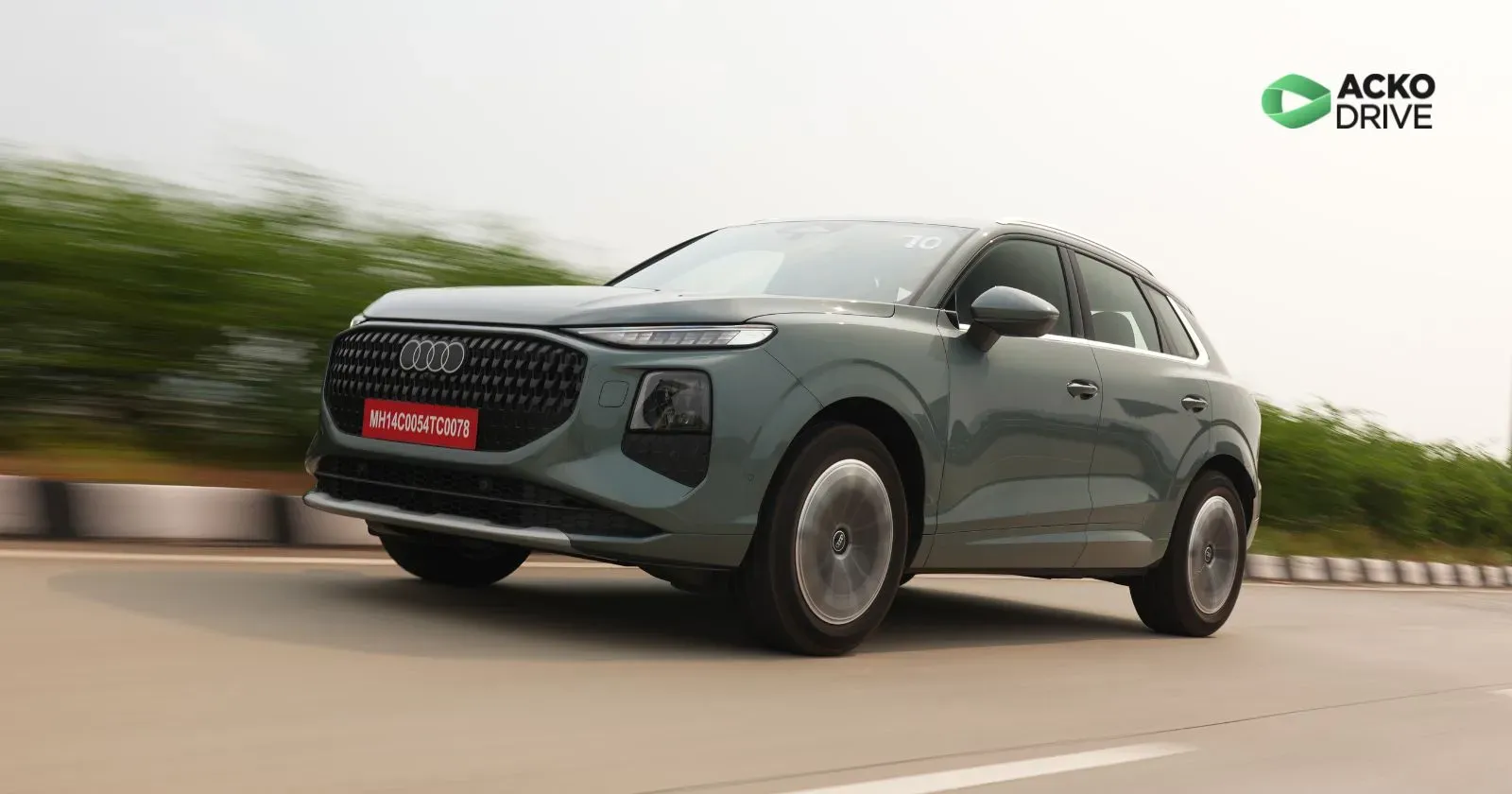
The Q3 has typical Audi looks and styling, and a lot of work has gone into the lighting. There are four selectable DRL signatures, with matching taillight signatures, and you can customise both. The new Sage Green shade is among the colour options.
There are smaller touches too, such as self-levelling wheel centre caps that keep the Audi logo upright at all times. You usually expect that kind of detail on far more expensive cars. Audi clearly hopes these touches will keep the Q3 attractive in a segment being swept by the long-wheelbase BMW X1.
Interior: top-notch quality, a tolerable rear seat
The cabin is where Audi has made its biggest changes, and the material quality is genuinely impressive. There's a padded cloth element and a curved wood trim, the shiny and matte plastics are well finished, and the cloth padding extends into the doors. Even the grab handle for pulling the door shut feels thoughtfully made. Everything feels well put together.
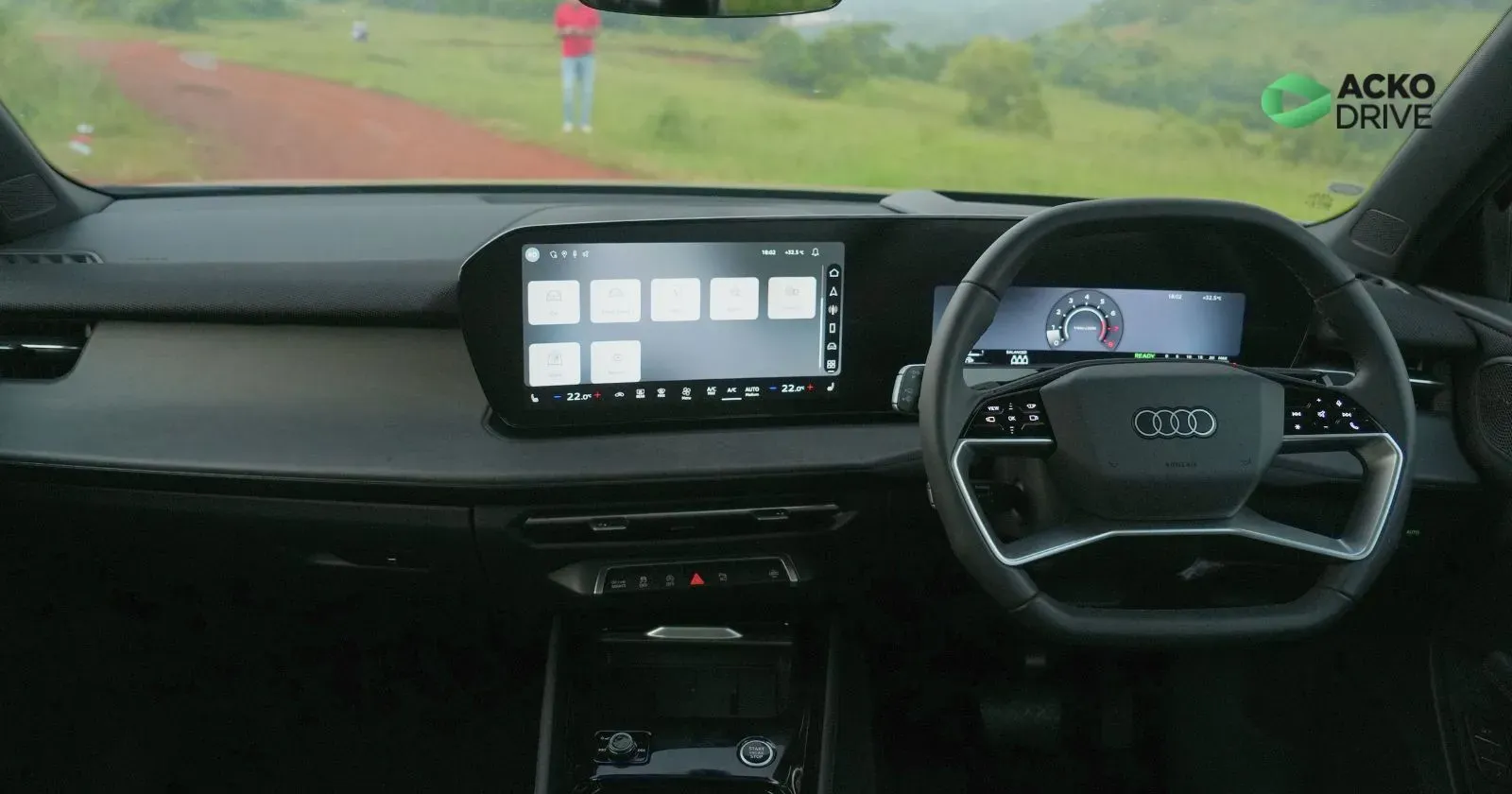
The new cockpit design debuts in India with this car. The curved display is large without feeling large, because the graphics are confined to a slim rectangular area. This mirrors the tiny-instrument-screen trend seen in many EVs, especially Chinese ones, without actually giving you a tiny screen. There is still ample room to show information when you need it. The 12.7-inch display reads clearly and the layout stays driver-focused. Adjust the steering column and the whole display moves with it, so nothing obstructs your view. The slim "compact command interface" bar houses the main controls and is easy to get used to.
Other features include:
3-zone climate control
Park assist
Head-up display
Wireless Apple CarPlay and Android Auto
Wireless charging
A Sonos sound system, which won't be standard but is a very nice option
There is no 360-degree camera, though whether that matters is up to you.
The rear seat is the Q3's weak spot. This isn't a long-wheelbase car, and the sense of space is lacking. The panoramic sunroof could have extended further back, and the seat could have been plumper and more cushioned for India. Under-thigh support and legroom are both unimpressive. That said, it isn't uncomfortable or cramped, and your knees aren't up in the air. There are two USB-C ports, AC vents and temperature controls for rear passengers. Still, it's a rear bench to be tolerated rather than celebrated, best suited to small kids. The MINI Countryman, though shorter overall, does a much better job on rear legroom without stretching the wheelbase.
The boot holds 488 litres, which is decent for the size but short of the X1 LWB's 540 litres and the Countryman's 505 litres.
Engine and performance
The 2.0-litre petrol is the only engine on offer, sending power to all four wheels through a seven-speed dual-clutch automatic.
Displacement: 1,984 cc
Power: 201 bhp (13 bhp more than before)
Torque: 320 Nm (unchanged)
Transmission: 7-speed DCT
The car feels very familiar if you know the global Q3, but with a few India-specific differences. With no diesel, EV or PHEV option, the petrol engine has to be efficient while still being reasonably fun, and Audi seems to have tuned it with that in mind. The balance it strikes is admirable.
The second difference is the suspension. The car has been softened for India, and it absorbs undulations, broken roads and potholes very well. It may still be a touch hard for rear passengers, but buyers up front are unlikely to complain. The European-spec car felt sharper, tauter and sportier.
The disappointment is the steering. Even in Sport mode it lacks that bit of extra weight and rigidity you expect from a German car. That's not a deal-breaker, but it is a letdown.
Quattro as standard, and progressive steering
Quattro all-wheel drive is standard on the Q3. It's an Audi hallmark across the Q range and, while it may not be unique in the segment, this is the only car in it to offer it as standard. That's a strong USP.
The system is also new. Instead of the earlier model's permanent 40:60 mechanical split, it uses an electronically controlled, hydraulically actuated multi-plate clutch on the rear axle, which can send all the torque to the rear if needed.
The Q3 also gets progressive steering, which delivers more output for very little input. You don't need to wind on lots of lock as you turn in, and the response feels intuitive, which makes the car easy to manoeuvre in city traffic.
Safety: nine airbags, but no full ADAS
The Q3 gets nine airbags, active cruise control, collision alert, emergency brake assist and driver attention and drowsiness monitoring. What it lacks is a full Level 2 ADAS suite. Buyers may not be actively demanding it, but you expect it these days, especially when so much else is standard. Lane-keep assist in particular would have been welcome.
Who is it for?
This is a driver's car by design. According to Audi India, 85 per cent of Q3 buyers in India drive themselves rather than use a chauffeur, which isn't surprising. It's small, it's the entry point into luxury, and it suits young families. If you want something easy to manoeuvre, park and take through traffic, without a cumbersome large-car feel, the Q3 fits. If you want to be chauffeured, it isn't the car for you.
Price and rivals: Audi has to get it right
Prices haven't been announced. For context, the outgoing Q3 sat in the ₹43–53 lakh band (ex-showroom). The new car's main rivals are the MINI Countryman, the Mercedes-Benz GLA and EQA, and possibly the Volvo EX30. The BMW X1 and iX1 long-wheelbase models are doing their own thing, and the LWB is where the sales are going.
More than 26,000 Q3s have been sold in India, but this brand isn't just playing catch-up. It is a few races behind. The Q3 is built to be compact and driver-focused, so it can't match the X1 LWB's physical space, or the diesel and electric options the X1 offers. Audi's answer is to load it with technology, keep it driver-focused, and then, crucially, price it aggressively.
Two variants will be offered at launch, with codes yet to be confirmed. The higher variant has everything as standard, while Quattro and the head-up display will also be standard on the lower one. A third, even better-equipped variant is expected in 2027, distinguished by a wing-shaped design element and a bit more design sophistication.
Verdict
The Q3 is well built, beautifully finished and a pleasure up front, with Quattro as a genuine USP. It is let down by a cramped rear seat, softer steering than you'd expect from an Audi, and the absence of a full ADAS suite. Whether it succeeds depends largely on the price. Something close to ₹40 lakh, or below, would blow the competition away and bring volumes and bookings back to the Q3. For now, Audi seems to be going all-out on a volume strategy, because it simply has to.
Siddharth is one of the best-known faces of Indian journalism. He has set up a new media entity at Acko Tech, with the Acko Drive channel as its first platform. It focuses on bringing consumers content relevant to them from the automobile industry.
Siddharth began his career as a news journalist and features producer at the prolific NDTV network. He spent many years reporting from the field from around the world, and also was one of the country's top primetime news anchors for several years.
As the anchor and editor of the country's most-watched and longest-running automobile based programme - The Car and Bike Show, on the NDTV network, Siddharth helped evolve a new niche of auto-based viewing and programming for Indian television and on the Internet. He is a well-respected name, not just as an automobile journalist, but also as a former financial correspondent who specialises in the automobile industry.
He also conceived and began the annual carandbike Awards, and now subsequently the Acko Drive Awards, which hold the reputation of being the most non-controversial and sought-after awards for the Indian auto industry. In 2014 Siddharth helped create the digital automobile entity carandbike which now commands a massive traffic of 22 million visitors per month, and leads all digital automobile media in India on content.
He routinely travels to all parts of the world to test new cars and cover the latest in automobile design and technology. When he gets the time, he loves to cook and try new food! Siddharth holds a Master of Science degree in Communication Studies from the prestigious Pune University. He has also studied in Australia and the United States.
He has represented India on the World Car jury since 2011 and has served as Director - the first Asian to hold the post - since 2014. He also became the first Asian to be Vice Chair (2021-23), and now Chair (2024-present).