

The minister insists government studies found no significant wear in older cars and bikes, even as owner complaints over mileage and repairs mount.
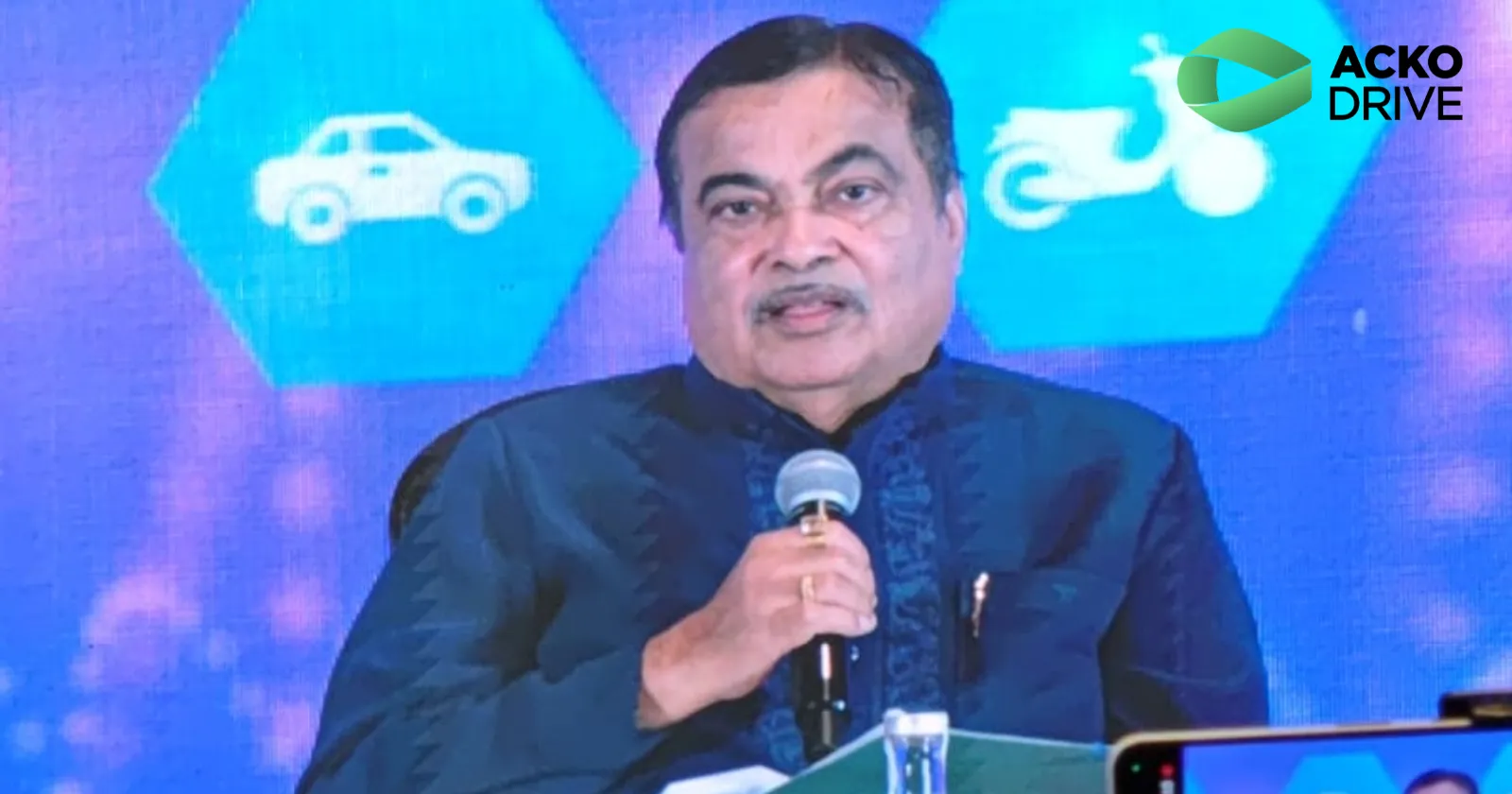
Road Transport and Highways Minister Nitin Gadkari told the Rajya Sabha on Wednesday that only older BS-III vehicles may need some rubber components replaced when run on E20 petrol, seeking to quell a year of consumer disquiet over the fuel that now flows from nearly every pump in the country.
In a written reply to a question by CPI member A.A. Rahim, Gadkari said testing had shown that vehicles introduced from 1 April 2005 and built before 2016 might require replacement of "some rubber parts and gaskets," which "can be easily managed during routine servicing regime of the vehicle." He maintained that broader studies found no significant variation in performance, drivability or metal and plastic compatibility in legacy vehicles.
The assessment drew on evaluations by Indian Oil Corporation, the Indian Institute of Petroleum, the Society of Indian Automobile Manufacturers and the Automotive Research Association of India. Citing SIAM, Gadkari said no widespread engine failures or breakdowns attributable to ethanol blending had been reported, and that much of the alarm had been raised through social media rather than documented fault.
The technical basis for the caveat is well understood. Ethanol absorbs moisture and acts as a stronger solvent than petrol, which can harden or crack the hoses, seals and O-rings in fuel systems engineered for lower blends. It also carries roughly a third less energy per litre, the principal reason blended fuel returns lower mileage.
That mileage question remains the sorest point. The petroleum ministry pegs the efficiency loss at 1-6 per cent depending on a vehicle's age, and independent road tests broadly support figures in that range for compliant cars, though some older models have shown drops above 12 per cent. Owners tell a starker story. A LocalCircles survey in June found that 66 per cent of pre-2023 petrol vehicle owners reported mileage falling by more than 10 per cent, up from 45 per cent a month earlier, while those citing unusual wear and higher repair costs nearly doubled.
India reached 20 per cent ethanol blending in 2025, years ahead of the original schedule, a shift the government credits with cutting the oil import bill and lifting farm incomes. From April this year, E20 became the standard grade nationwide, leaving owners of the large legacy fleet with little choice at the forecourt.
New petrol cars have been built to tolerate E20 since 2023, but a substantial share of the vehicles sold over the past decade predate that requirement. Petrol's share of passenger vehicle sales has been sliding, to around 53 per cent last year, as buyers weigh running costs and electric options. For millions still driving older cars and two-wheelers, the reassurance from Parliament may prove a harder sell than the fuel itself.