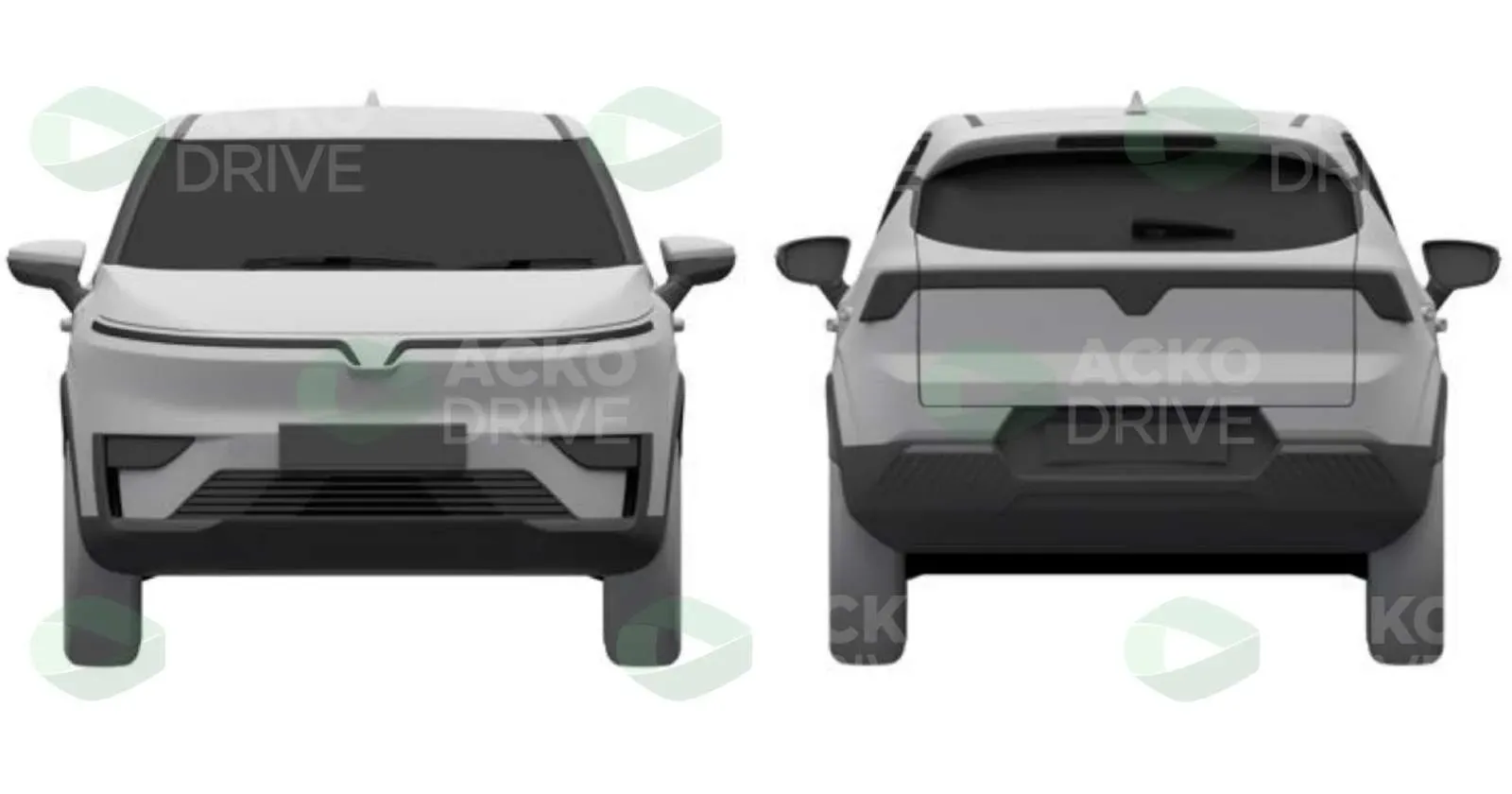



Official Environmental Protection Agency (EPA) certification documents for Tesla’s Cybercab in the USA have emerged online, revealing the robotaxi's full technical specifications and engineering details for the first time.
The regulatory filing, certified on 26 May 2026, confirms several design targets previously outlined by the manufacturer while presenting a few mechanical surprises regarding its overall mass and drivetrain configuration.
One of the most surprising figures emerging from the certification documents is the robotaxi's curb weight, which is registered at approximately 1,412 kg. While this makes the Cybercab lighter than a standard entry-level Tesla Model 3, the figure is on the higher side for a dedicated two-seat vehicle that completely lacks traditional mechanical driver controls like a steering wheel or foot pedals.
The vehicle's lithium-ion battery pack operates at 326V with a capacity of 146 Ah, translating to roughly 47.6 kWh of usable energy. Utilising a specific energy density of 154 Wh/kg, the battery enclosure alone accounts for a good chunk of the total mass, indicating that the remaining chassis structure utilises strong reinforcement and complex crash structures to safeguard the front occupant zone.
Also read: Tesla Model Y L Six-Seater Deliveries Start In India
Departing from Tesla's typical rear-wheel-drive or all-wheel-drive architectures, the Cybercab utilises a front-wheel-drive layout paired with a single-speed automatic transmission. This front-motor placement optimises space packaging and reduces production complexity by eliminating the need for a rear subframe and driveshaft. The vehicle is propelled by a three-phase permanent magnet AC motor rated at 163 kW, developing a modest 219 bhp.
This deliberate motor selection is engineered to maximise operating efficiency during low-load urban ride-hailing cycles, allowing the powertrain to function within its most optimal thermal and electrical boundaries.
In raw Multi-Cycle Test parameters, the unadjusted combined EPA range stands at an impressive 673 km, whilst the sustained highway cycle drops to 604 km. When the standard EPA correction factor of approximately 0.7 is implemented to account for auxiliary real-world loads like climate control and diverse driving behaviour, the adjusted range settles at roughly 471 km. This realistically matches the manufacturer's initial consumer promise of a 482 km operating capability whilst validating its industry-leading efficiency index.
Furthermore, the total energy required for a full replenishment from a wall outlet is logged at 53.365 kWh, representing a 12% discrepancy over battery capacity due to inherent heat losses associated with its wireless inductive charging hardware.