

TVS Motor Company sold 7,00,134 vehicles in October 2026, a 29 percent increase over the 5,43,557 units it sold in the same month last year, the company said on Sunday. Electric two-wheelers and international markets grew fastest.
Two-wheelers accounted for most of the volume. Total sales rose 28 percent to 6,70,679 units from 5,25,150 a year earlier. Domestic two-wheeler sales grew 22 percent to 5,14,764 units, against 4,21,631 in October 2025, so growth at home was slower than the overall figure.
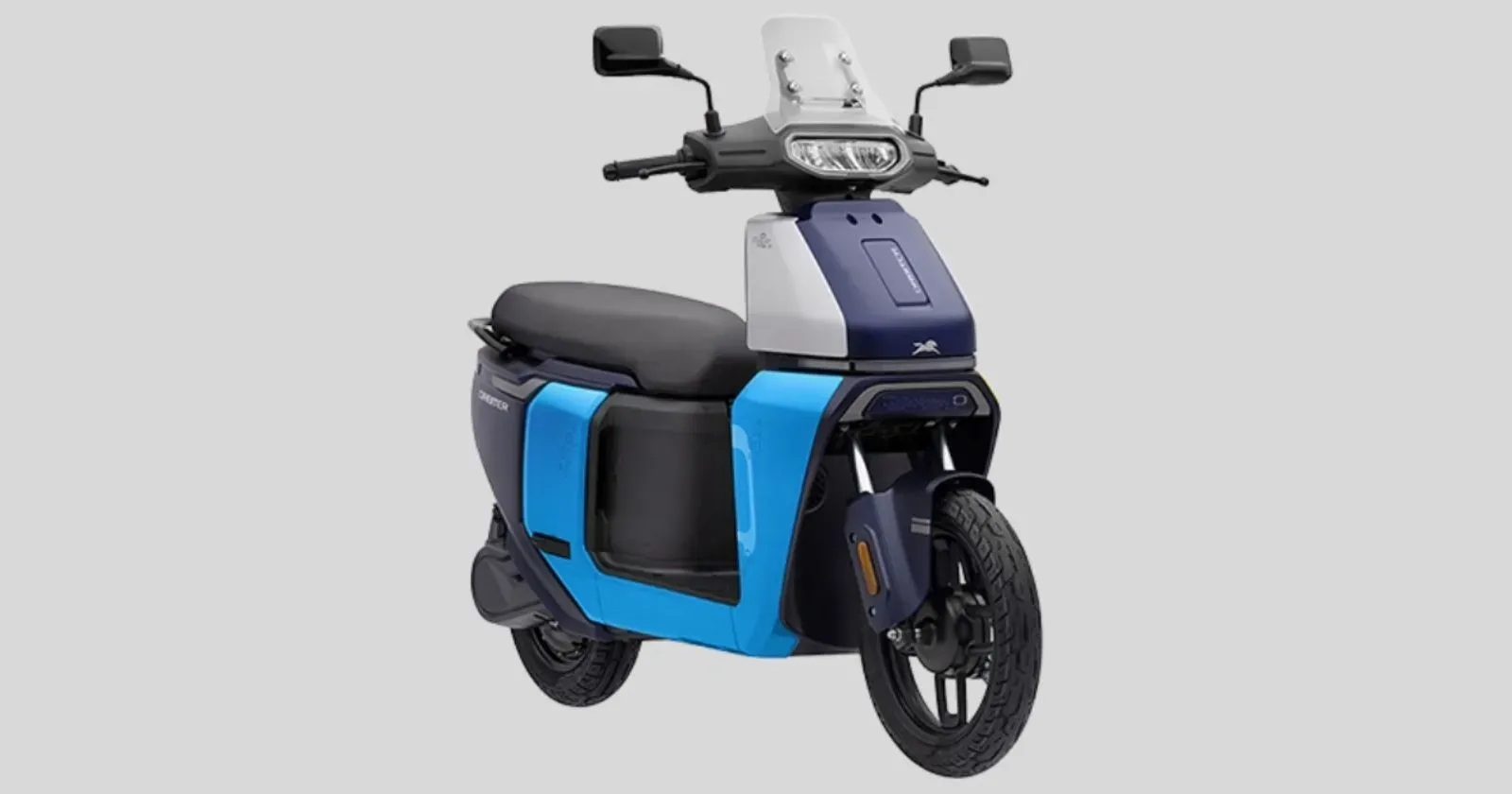
The sharpest gain came in electric two-wheelers, where sales rose 120 percent to 71,382 units from 32,387. That is roughly one in every ten two-wheelers the company sold during the month. TVS competes in this segment with Bajaj Auto, Ather Energy and Ola Electric, and EV volumes have become a closely watched measure of how quickly buyers are moving away from petrol scooters and motorcycles.
International business was the other strong performer. Total overseas sales climbed 51 percent to 1,75,350 units from 1,15,806, and now make up about a quarter of the company's overall volume. Two-wheeler exports alone rose 51 percent to 1,55,915 units, up from 1,03,519. Indian two-wheeler makers have leaned increasingly on overseas markets in recent years, and the October numbers show how much that business now contributes when domestic growth moderates.
Three-wheelers grew 60 percent to 29,455 units from 18,407. The base is far smaller than in two-wheelers, but the segment adds to a diversified mix at a time when passenger and cargo three-wheeler demand has been firm.
The year-on-year comparison needs some context. October 2025 was the first full month after the GST Council cut the tax on two-wheelers up to 350cc from 28 percent to 18 percent, so last year's base already carried a boost from lower prices. The festive calendar also differs. Diwali fell on October 20 last year, while this year it falls on November 8. A 22 percent rise in domestic sales over a strong base, and ahead of the main festival, suggests demand has held up. Whether it carries through November will become clearer once retail registration data is published.
The company did not break down domestic and export figures for electric vehicles or three-wheelers, which makes it harder to gauge how much of the EV growth came from Indian buyers. Nor did it say how much of the rise in international sales came from specific regions.
For TVS, the month points to three growth drivers: an electric portfolio that is scaling quickly, an export business expanding faster than the home market, and a domestic franchise still growing at double digits. The next test will be whether the electric momentum survives the end of the festive season, when two-wheeler demand typically cools.