

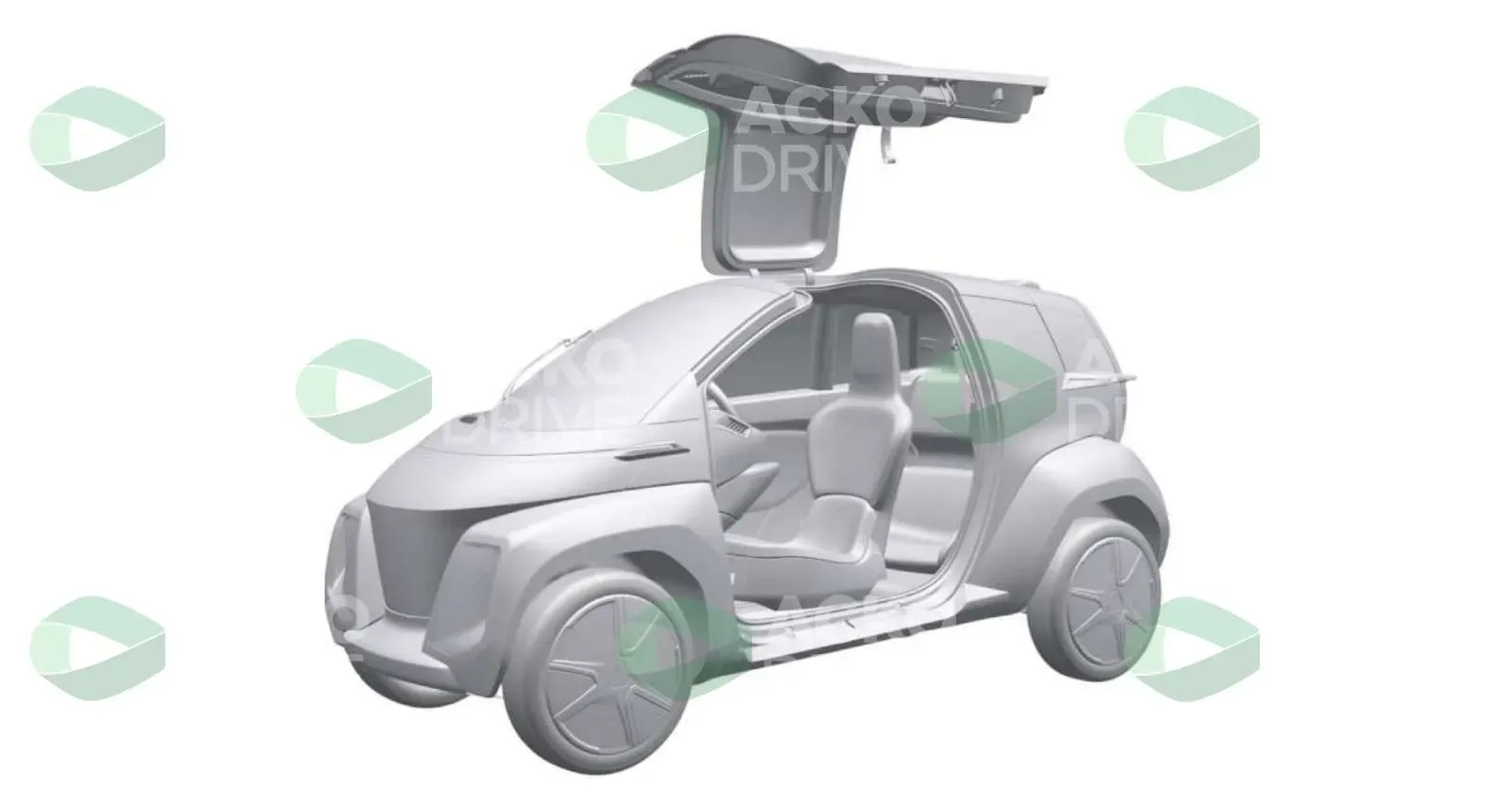
A newly uncovered design registration filing indicates that Hero MotoCorp is still working on at least one of the three micromobility concepts it debuted at EICMA last year. The three concepts, designed by Hero’s fast-growing electric vehicle arm Vida, were intended to show how urban mobility can be reimagined to account for real-life situations and requirements.
Called Project Novus, the set of three concepts includes the NEX 1 scooter that can be folded up into a backpack for short last-mile trips, NEX 2 self-balancing three-wheeler with lots of cargo space, and NEX 3 two-seater micro-car designed for quick city trips.
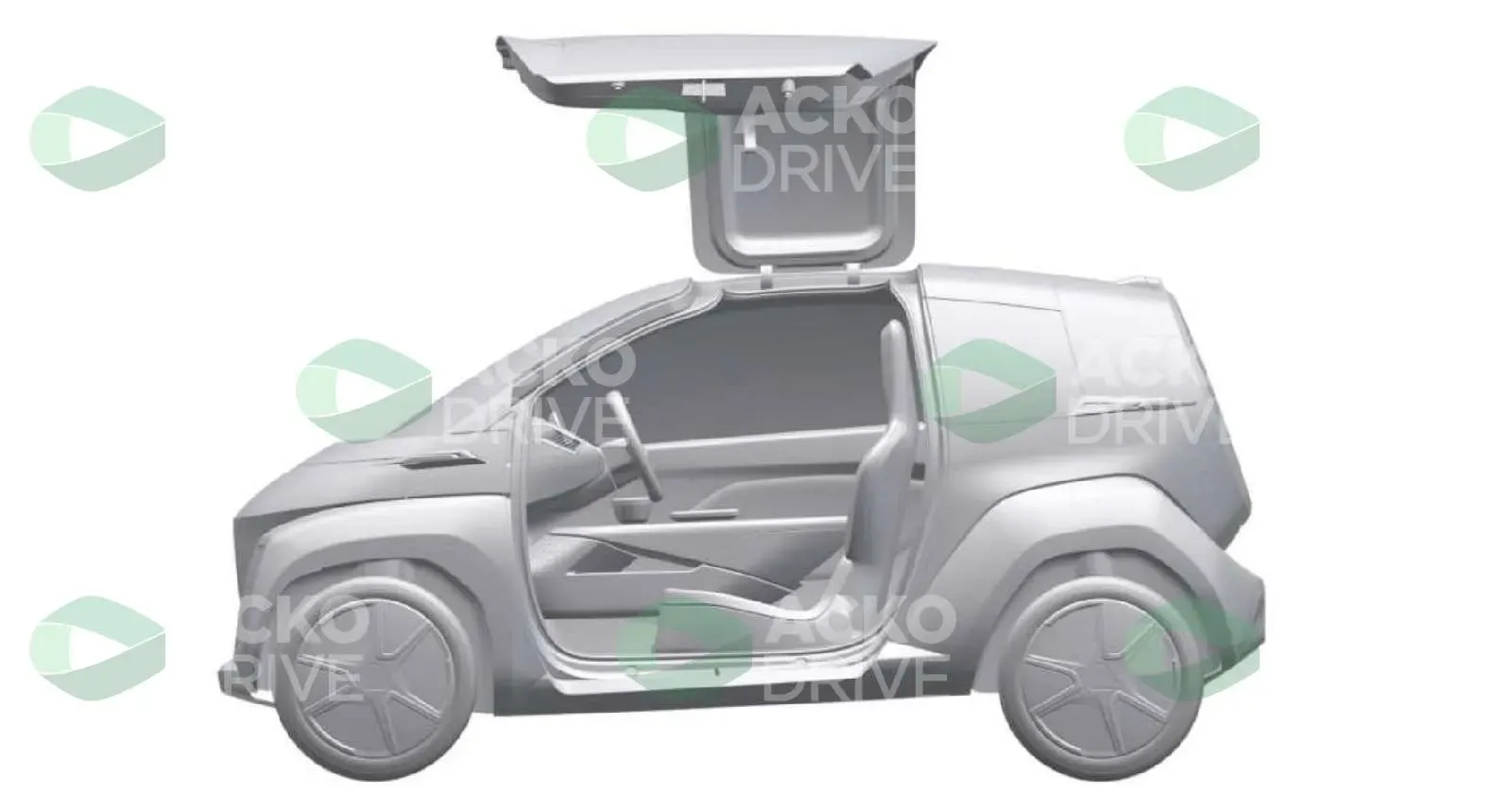
The last of these has now shown up in the database of the Office of the Controller General of Patents, Designs, and Trademarks, under the Ministry of Commerce and Industry. While this is not a confirmation that the NEX 3 is being prepared for an actual launch, it does show that the company has continued to work on it and is protecting its unique designs.
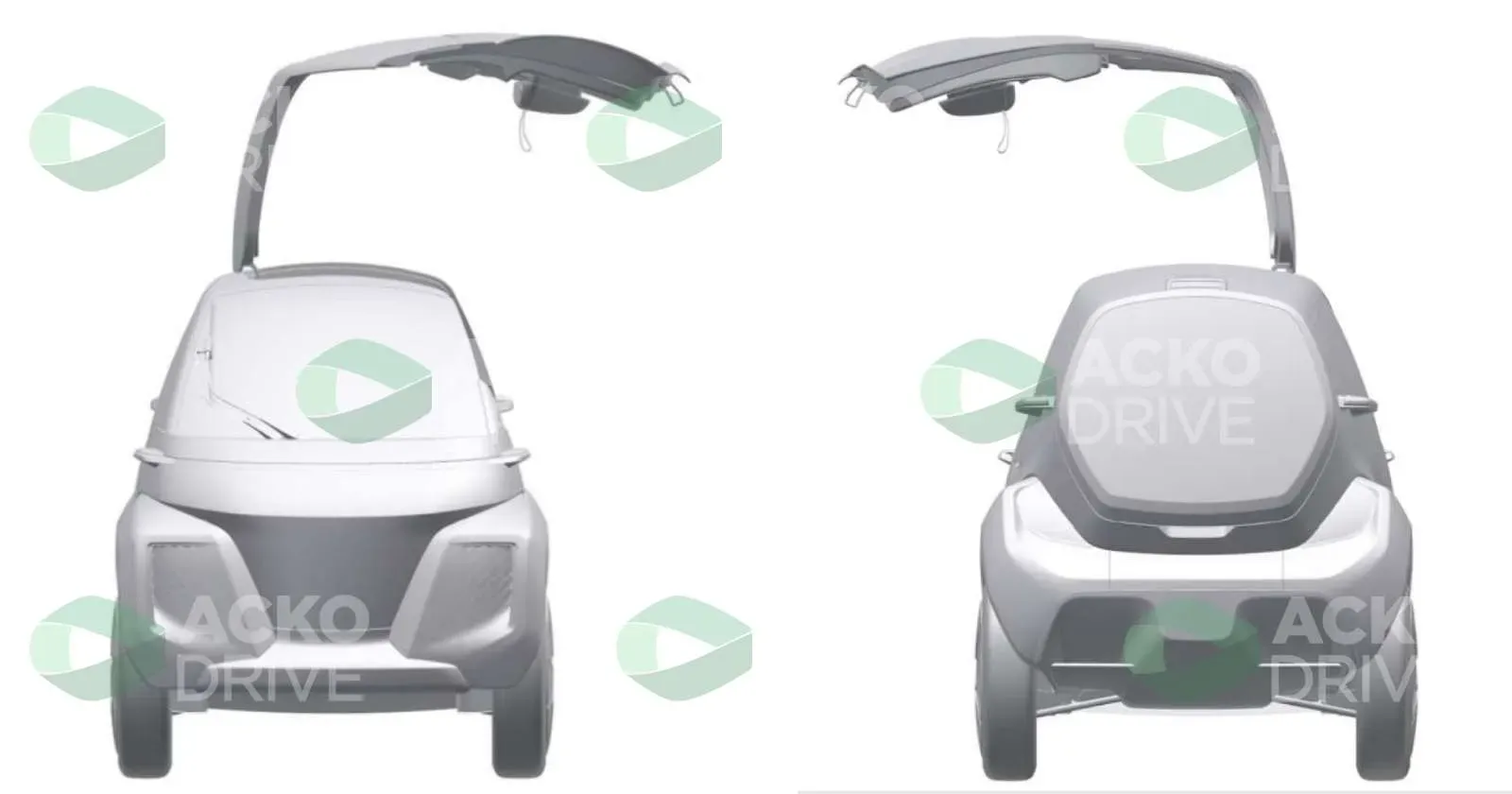
The NEX3 is a four-wheeled vehicle, but is roughly a quarter the size of today’s cars. It has two seats, one for a driver in front and one for a passenger behind them. Its single gullwing door opens upwards, allowing both occupants to enter and exit. The vehicle would be airconditioned, and would likely offer several modern-day tech features including smartphone integration and online services.
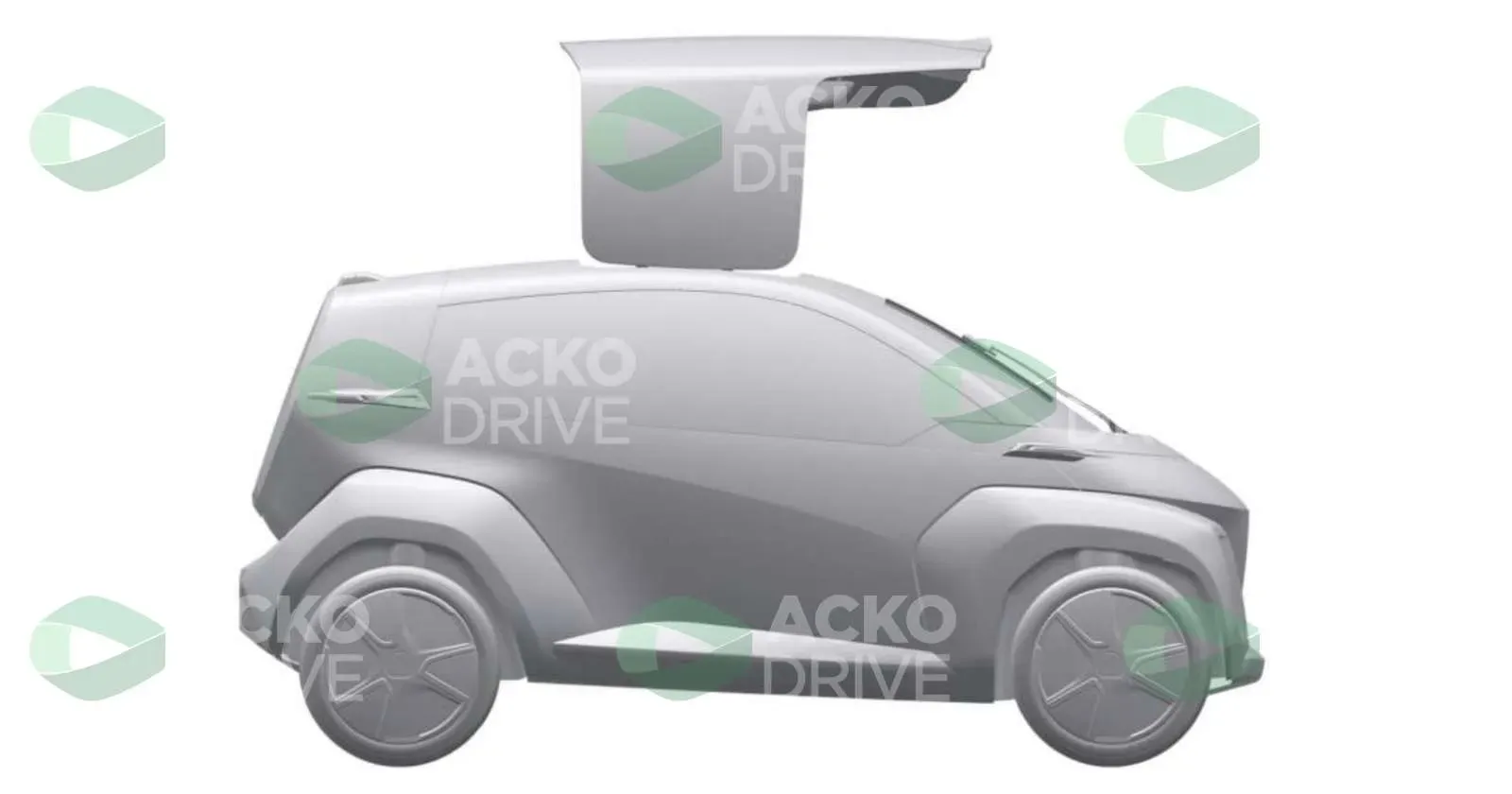
With capacity for two but the footprint of a micro-car, Vida says the NEX 3 is safer, more stable, and more comfortable than a bike, but would still work well on dense urban roads. It would need very little space both on the road and for parking, making it an interesting option for everyday commutes. Shared public transportation could be another potential way to deploy such a vehicle.
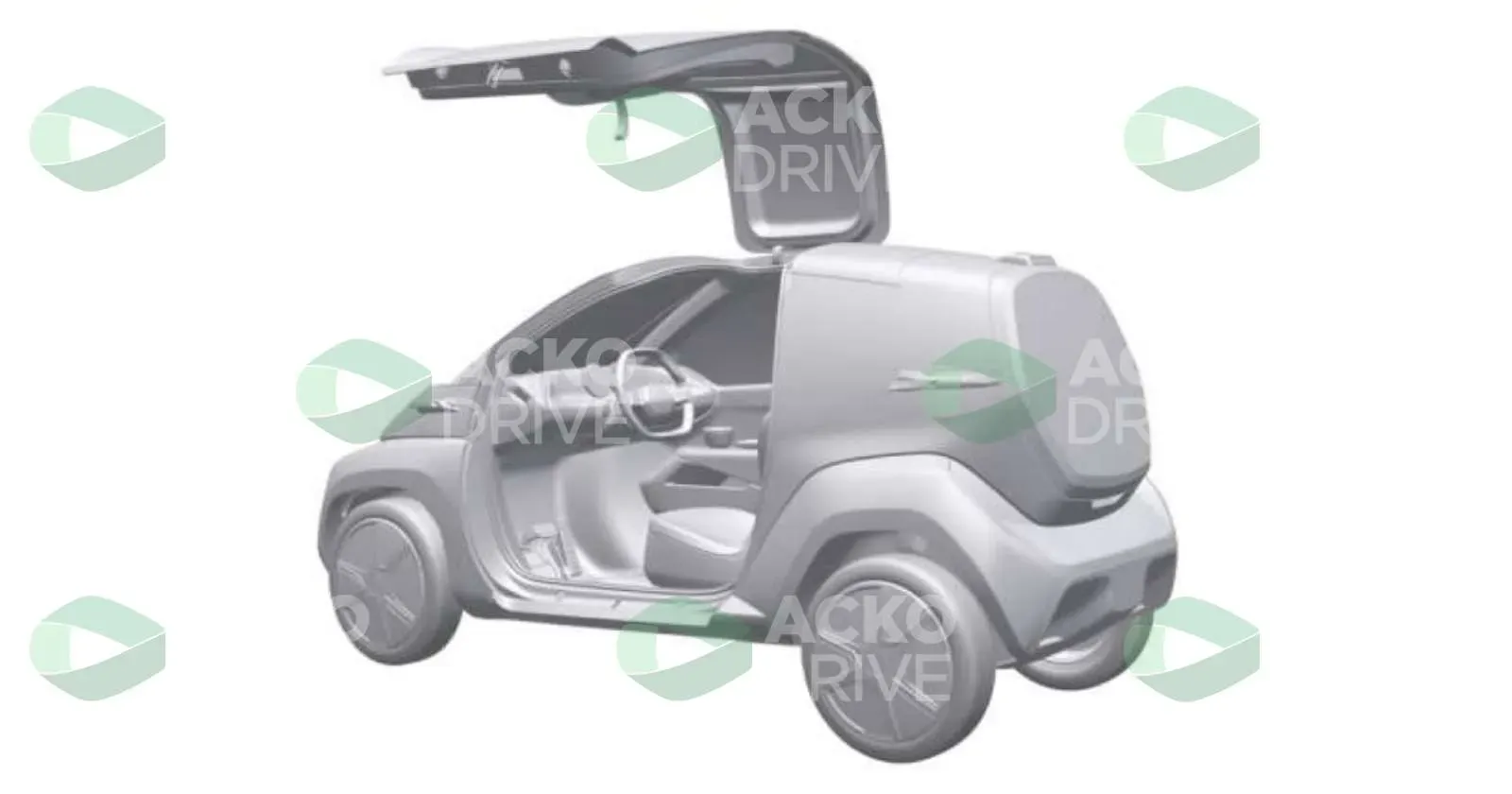
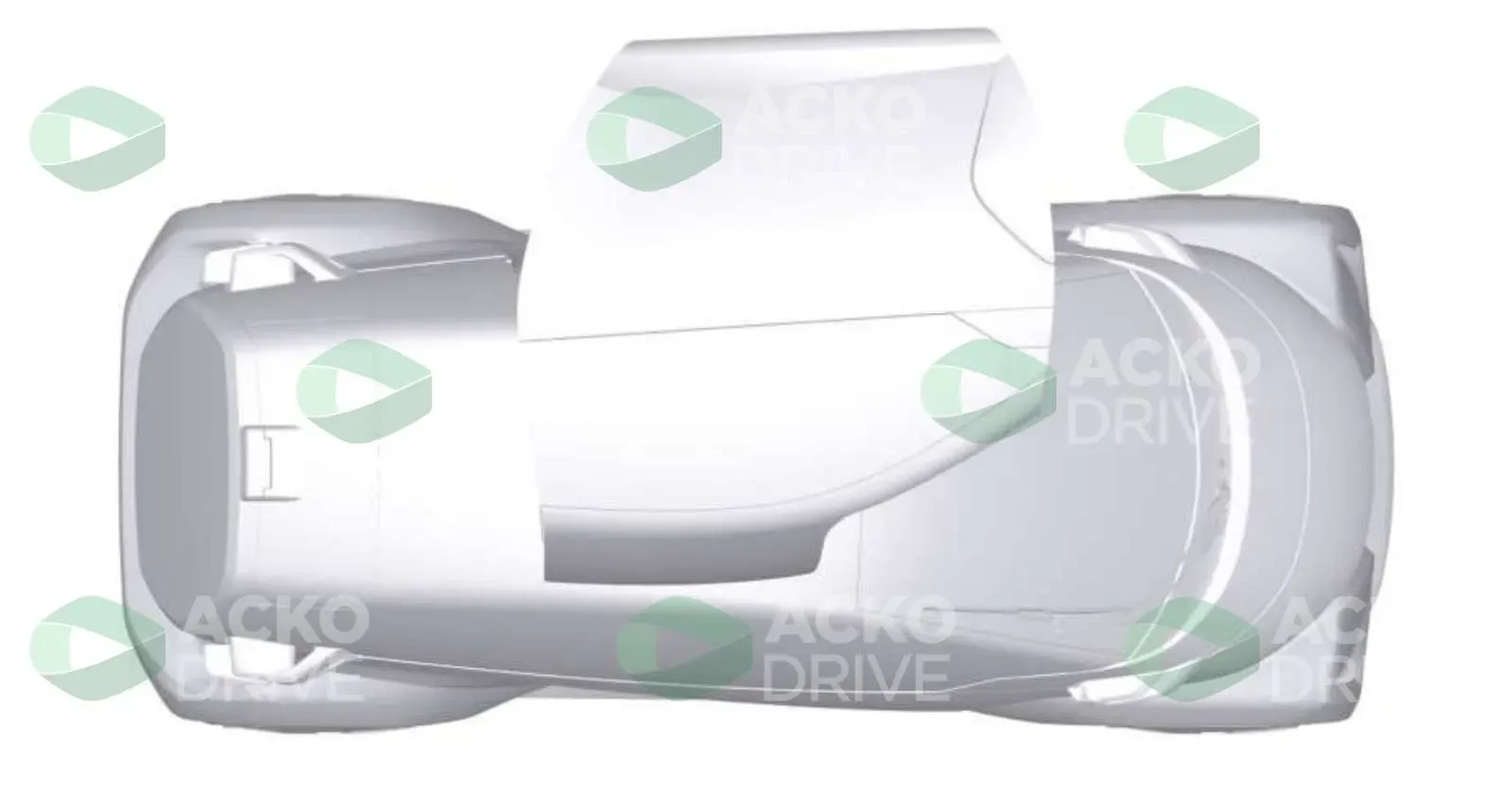
The patent filings closely match the concept exhibited by Vida, including the gullwing door. The exterior is seen from multiple angles, revealing a modern pod-like structure with large glass windows, prominent bumpers, LED lighting elements, and a striking almost-hexagonal rear windshield. However the interior has not been revealed in as much detail, with only some of it visible through the large door in some diagrams.
It is not yet clear whether Hero MotoCorp intends to actually mass produce any of its concepts, and whether the market could actually support them. Potential pricing remains unknown as well, though such a vehicle would cost much more than today’s premium electric scooters.
Hero’s approach to urban commuting is markedly different than Tesla’s premium two-seater electric Cybercab, designed solely for autonomous taxi use. If actually launched, the NEX 3 would potentially find use cases similar to what the iconic Tata Nano offered buyers nearly 20 years ago.