BMW X1 Long Wheelbase Review: The Petrol/Diesel Sibling the iX1 Was Always Meant to Get
The BMW X1 Long Wheelbase is expected to be priced in the ₹50–52 lakh (ex-showroom) bracket, positioning it closely alongside the standard-wheelbase X1 rather than as a significant premium over it.
The BMW X1 Long Wheelbase is expected to be priced in the ₹50–52 lakh (ex-showroom) bracket, positioning it closely alongside the standard-wheelbase X1 rather than as a significant premium over it.
In this article
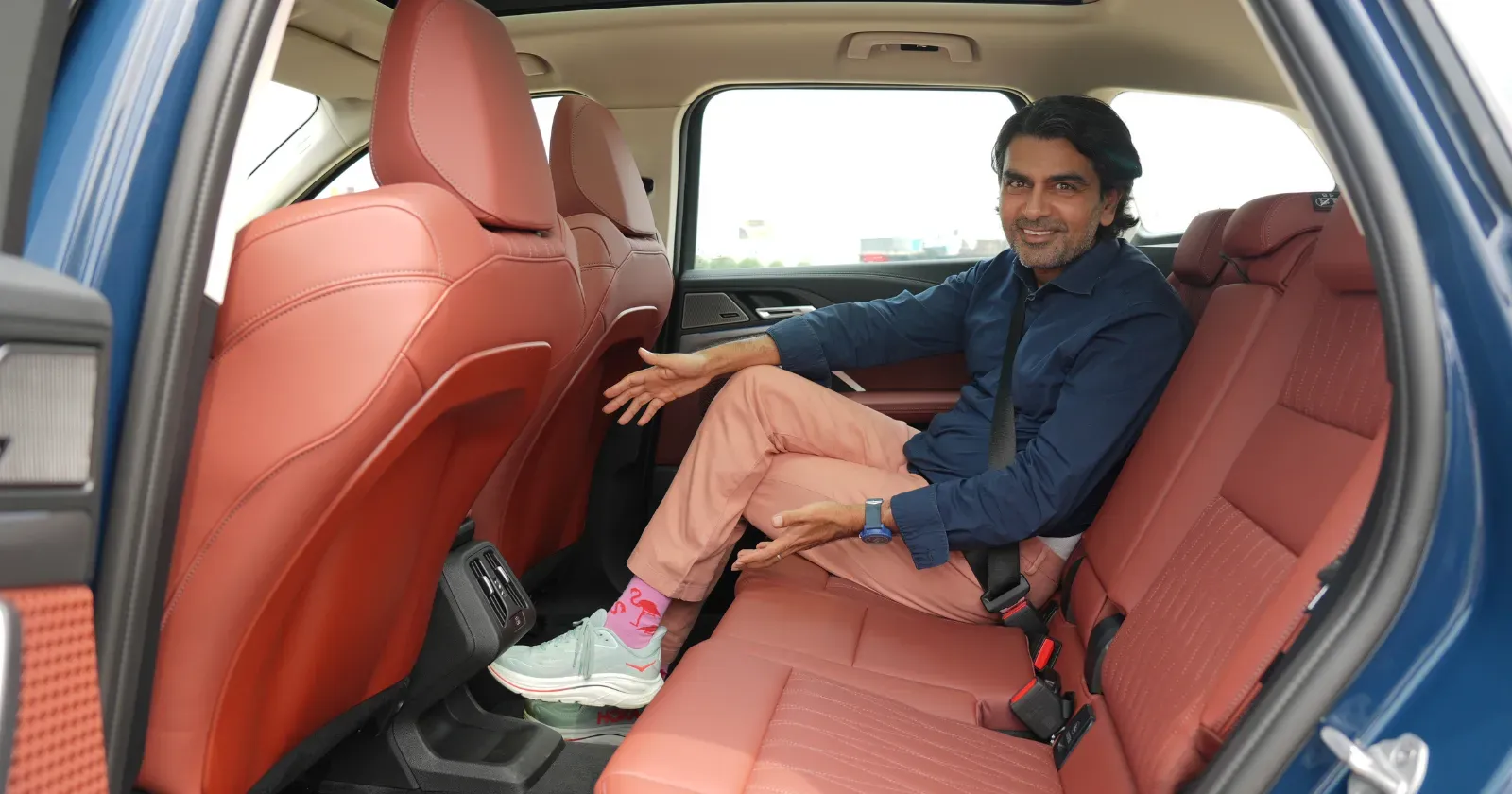
How often, in the back seat of a car, can you actually cross your legs and sit comfortably? Genuine under-thigh support, real stretch-out room — it's a rare thing in this segment. That's the single biggest party trick of the new BMW X1 Long Wheelbase, and it's also the reason this car exists at all.
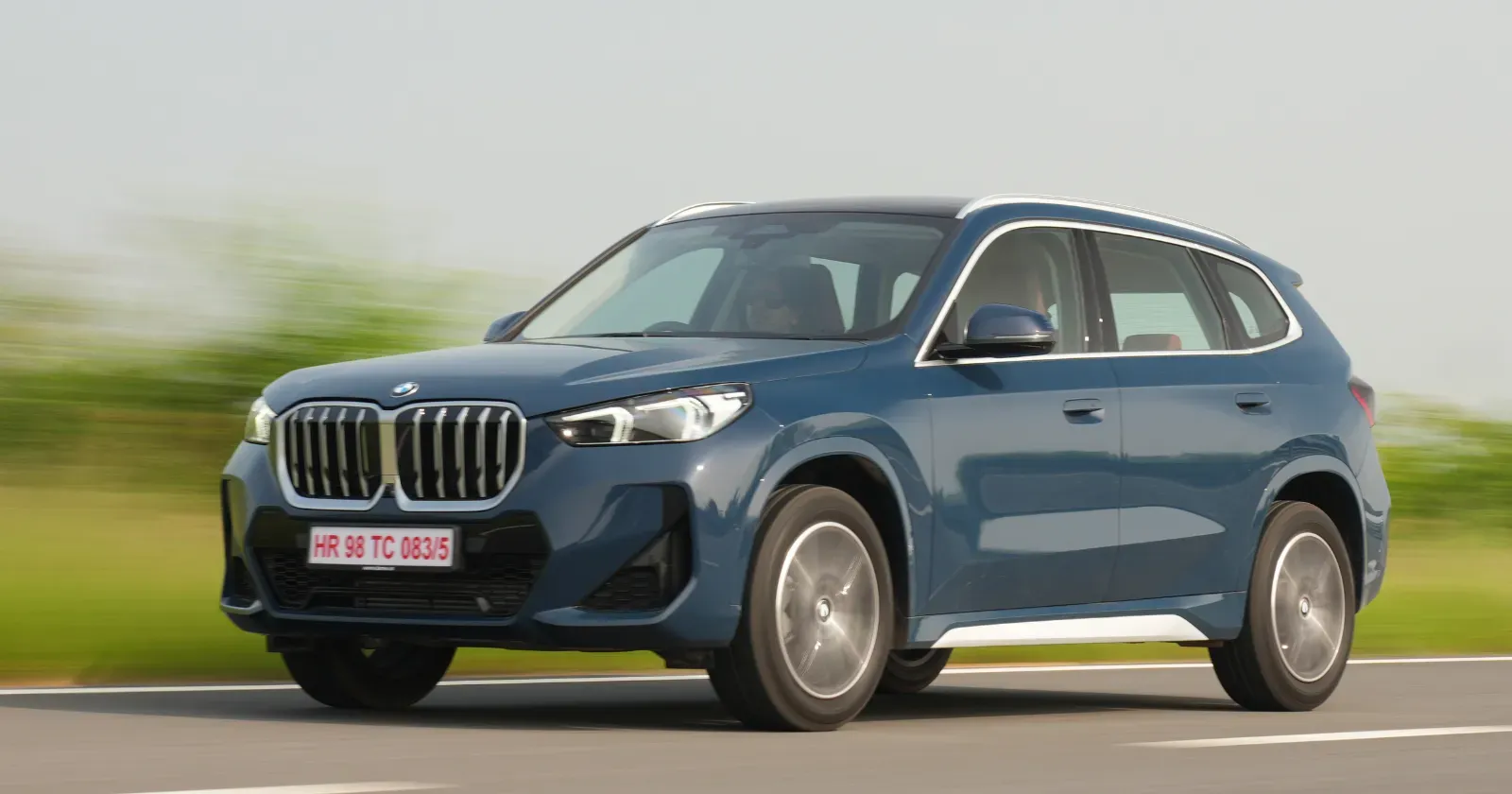
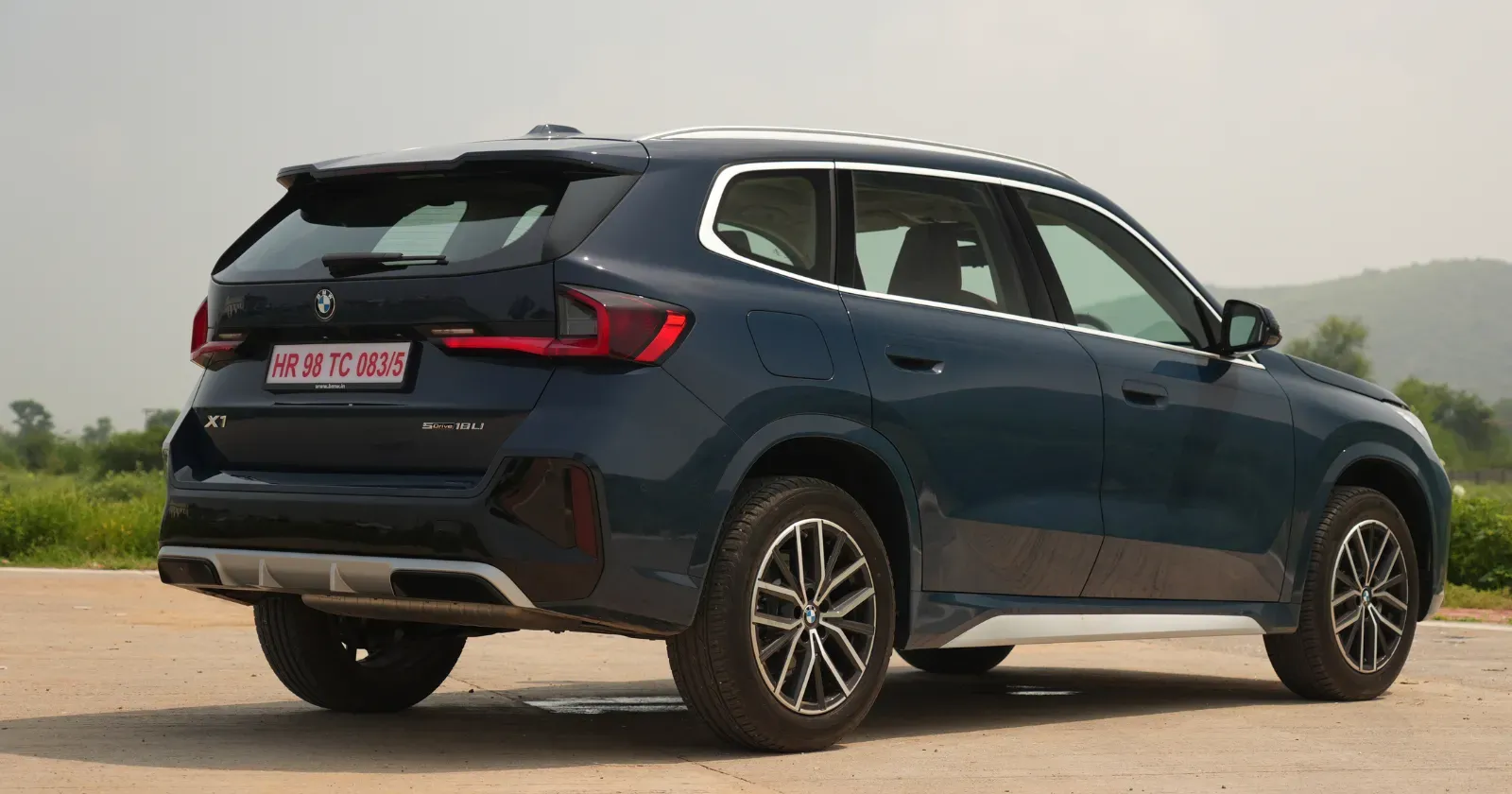
On paper, the change looks modest: the X1 has grown by 116mm overall, with 108mm of that going straight into the wheelbase. In practice, it transforms what has quietly been one of BMW's most important models in India.
A Long Time Coming
The X1 nameplate has always punched above its badge. Since 2009, it's been BMW's entry point for buyers stepping into the luxury space for the first time, and it remains one of the brand's best-selling models globally. The second generation arrived in 2016, the third in 2023 — and then, in 2025, BMW pulled off something of a masterstroke with the all-electric iX1 Long Wheelbase.
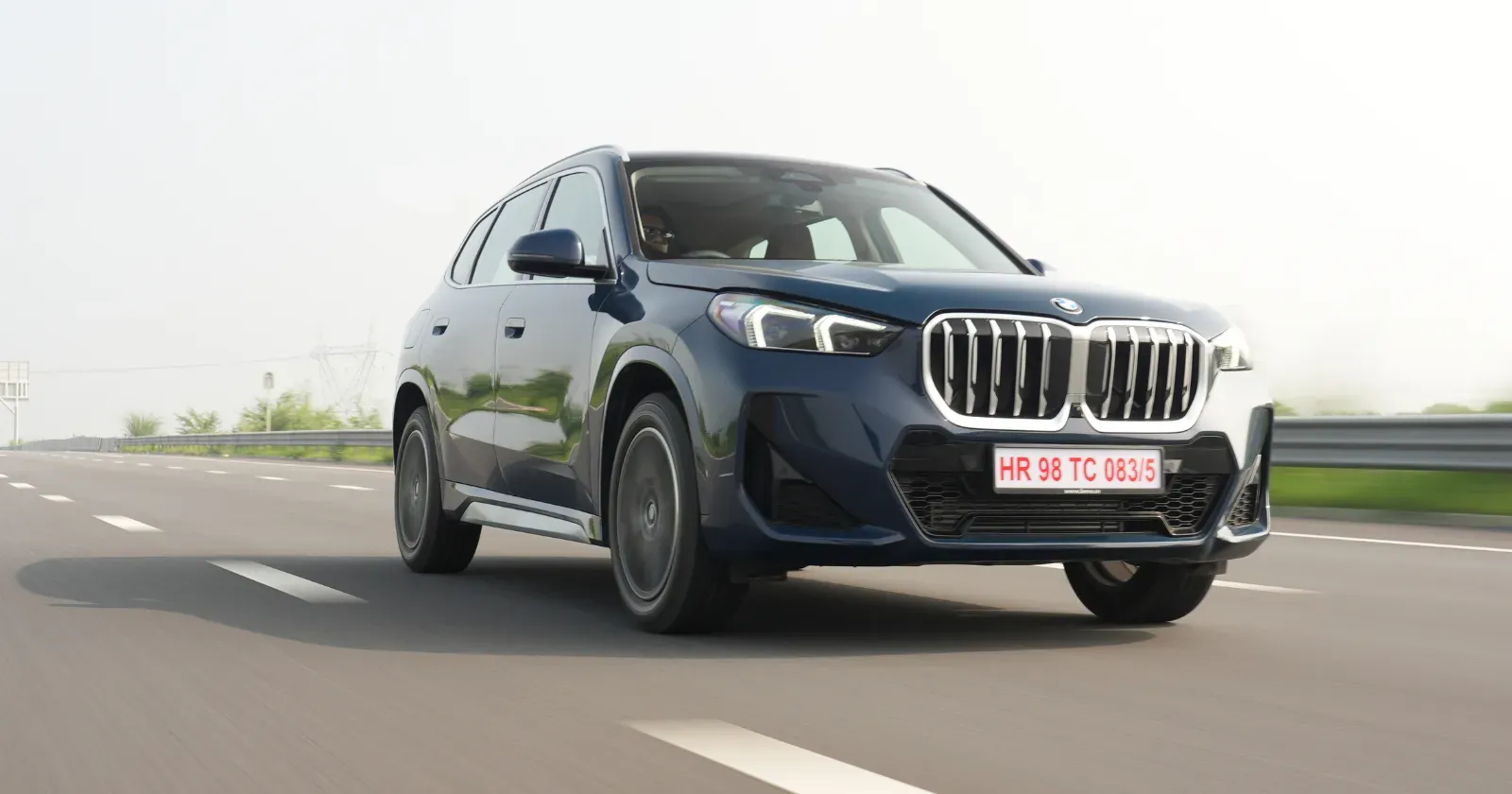
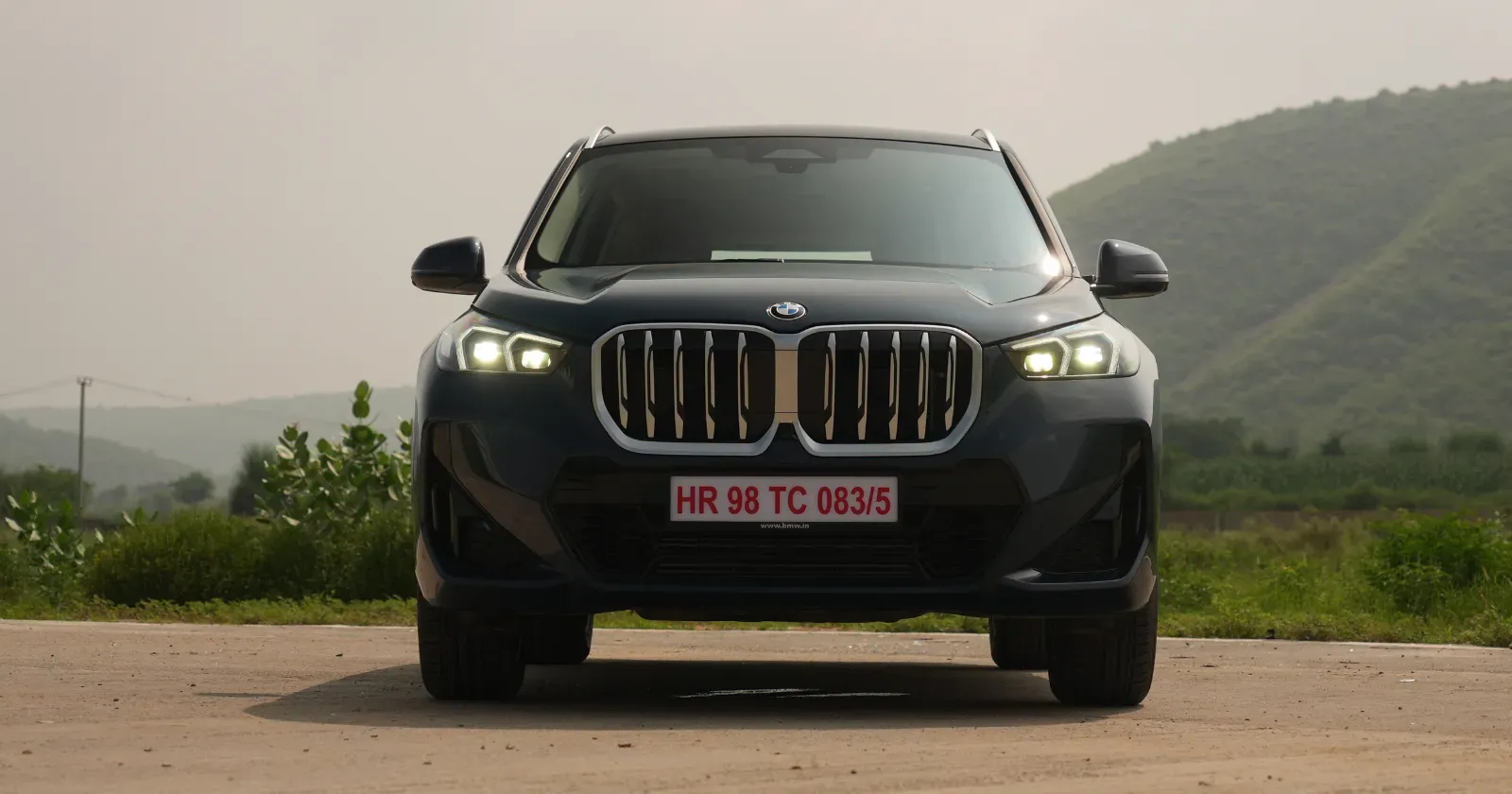
At the time, the obvious question was: where's the combustion version? It was always meant to come, and it's finally here — locally produced, just like the iX1. The two cars share identical dimensions and features. The only real point of difference, apart from the powertrain, is that the regular short-wheelbase X1 still offers a diesel engine, which isn't available on this long-wheelbase car. Look closely at the front grille and that's the only visual giveaway that you're looking at the ICE version rather than the EV.
Cabin, Tech and the Panoramic Roof
Step inside and the extra room is obvious, but the technology is thoroughly familiar. BMW has fitted the biggest panoramic glass roof it offers anywhere in this segment, and combined with generously sized rear corner windows, it genuinely opens up the cabin.
Up front, a 10.7-inch curved widescreen display runs BMW's latest OS9 software, bringing the Intelligent Personal Assistant, full smartphone integration, and over-the-air software updates. There's wireless charging, Comfort Access 2.0 that lets your phone or smartwatch function as the key, and the ability to share a digital key with up to eighteen people. None of this will be news to anyone who has spent time in the iX1 — the long-wheelbase petrol carries over every bit of that tech, untouched.
Rear Seat Comfort: The Whole Point
This is where the car makes its case. The added length translates directly into rear legroom and under-thigh support that most cars in this bracket simply can't offer, and the panoramic roof amplifies the sense of space. It's a reminder of how much difference small dimensional changes can make.
Trim options carry over from the iX1 too — a warm brown-toned upholstery (best pronounced "Castanea"), alongside a dual-tone white-and-grey option. The exterior colour palette, admittedly, plays it safe. But if rear-seat comfort on long journeys is the priority, the long wheelbase is a fairly easy recommendation.
The one gripe: for a car built around extra space, BMW hasn't matched it with extra convenience features. There's no proper storage bin or additional cupholder in the back, and just a single USB-C port. Anything loose placed in the console area is liable to bounce around. It's a small niggle, but one that stood out on the iX1 too, and it hasn't been addressed here.
Does the Extra Length Change How It Drives?
Yes — and the story of why starts in China, where this long-wheelbase platform originates. The China-spec X1 gets a more powerful 2.0-litre, four-cylinder petrol with over 200hp, which masks any difference between the short and long-wheelbase cars almost entirely.
India doesn't get that engine. Instead, the X1 Long Wheelbase uses the familiar 1.5-litre turbo-petrol — the same feisty unit that impresses in the 2 Series and the Mini Countryman C, and does a solid job in the regular X1 too. But bolt on the extra length and weight of the long-wheelbase body, and the difference becomes noticeable. It shows up less in outright acceleration and more in the driving dynamics — a contrast to the electric iX1, where the long-wheelbase version feels nearly identical to the standard car.
There are no paddle shifters here either, so anyone looking to grab gears manually on a spirited drive will be relying entirely on the transmission's own judgement.
The car compensates well, though. The steering stays sharp, ride comfort is excellent, and the gearbox does a good job of hiding the shortfall in outright power. Switch into Sport mode via My Modes and the car wakes up noticeably, with far less sense of straining for pace. For everyday efficiency, Normal or Efficiency modes are the better bet.
The Missing Diesel
There's no diesel option on the X1 Long Wheelbase, at least for now — and that's a genuine head-scratcher, since the diesel remains the more popular engine on the standard-wheelbase X1 in India, particularly among buyers who cover long highway distances. BMW hasn't offered an official explanation, but going by the China-spec car — which also skips diesel on its long-wheelbase variant in favour of the larger petrol — this looks more like a decision inherited from the platform's origin market than an India-specific call. Whether a diesel long-wheelbase variant eventually joins the lineup is something BMW hasn't confirmed either way. For now, diesel loyalists will need to stick with the regular-wheelbase X1.
Where It Sits Against Rivals
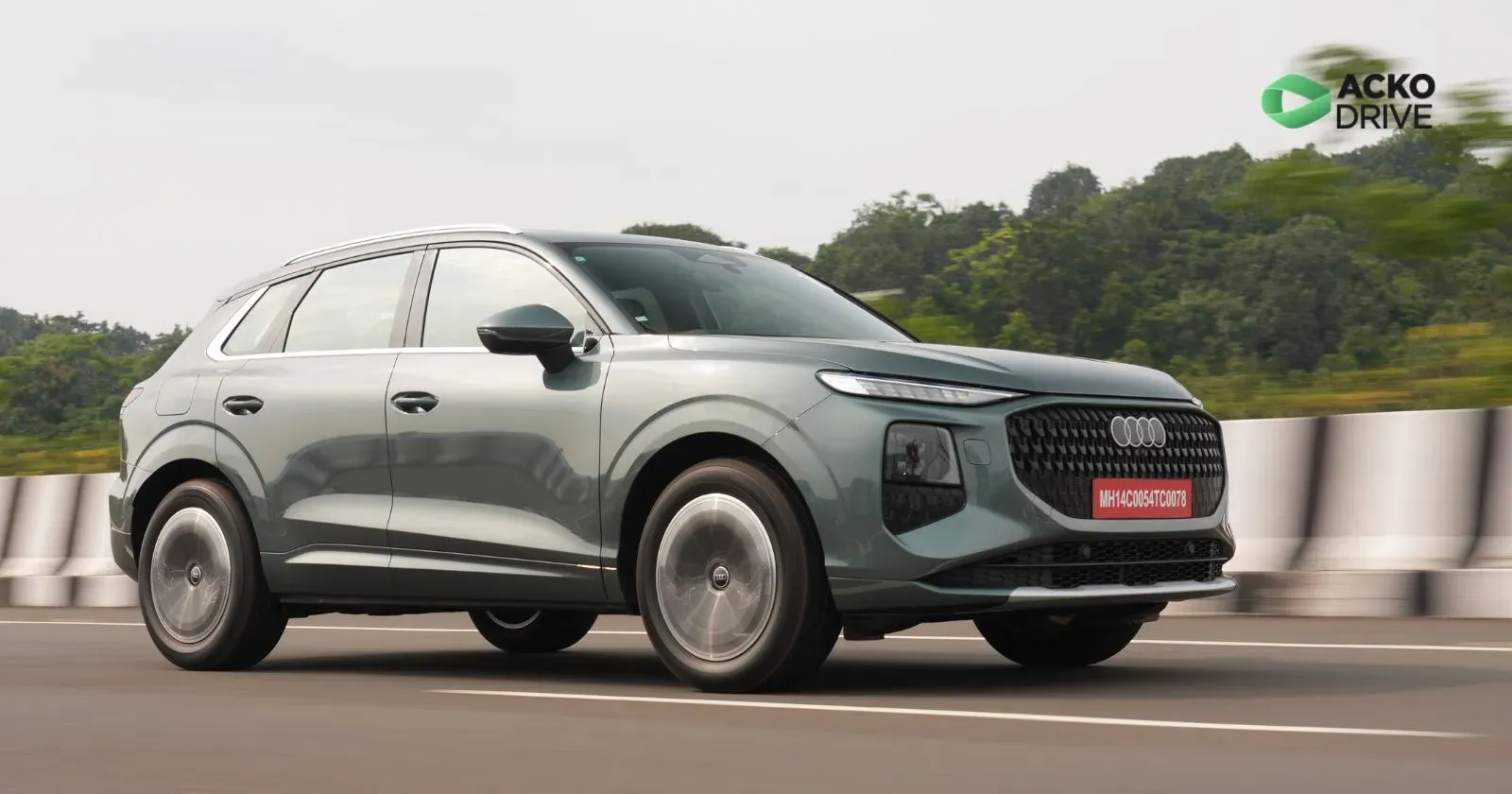
The Mercedes-Benz GLA and Audi Q3 have been the X1's natural rivals for years, and neither offers a long-wheelbase version at this price point — not in India, and not really anywhere else in this segment globally. That makes the X1 Long Wheelbase's core proposition hard to cross-shop directly, whatever one might think of how the extra length affects the driving experience.
Verdict
If space — specifically, rear-seat space — is the priority, and for a large chunk of Indian luxury SUV buyers who spend as much time being driven as driving, it usually is, the X1 Long Wheelbase is a straightforward recommendation. If outright driving involvement or diesel efficiency matter more, the standard-wheelbase X1 still makes a strong case for itself. BMW isn't discontinuing either — both stay in the lineup, aimed at slightly different buyers under the same badge.
Expected Pricing
The BMW X1 Long Wheelbase is expected to be priced in the ₹50–52 lakh (ex-showroom) bracket, positioning it closely alongside the standard-wheelbase X1 rather than as a significant premium over it.
For context, here's where BMW's X1 range currently stands in India (ex-showroom, as of August 2026):
BMW X1 (standard wheelbase): ₹50.90 lakh to ₹52.90 lakh, spanning the sDrive18i petrol and sDrive18d diesel M Sport variants
BMW iX1 Long Wheelbase (electric): ₹52.40 lakh for the sole eDrive20L M Sport variant. It's worth noting the iX1 LWB launched at a sharper ₹49 lakh in early 2025 before subsequent price revisions pushed it up to its current mark.
If the X1 Long Wheelbase does land in the ₹50–52 lakh bracket as expected, it would slot in almost exactly where the regular X1 already sits — making the choice between short and long wheelbase less about budget and more about how the car will actually be used, chauffeur-driven comfort versus outright driving involvement.
Siddharth is one of the best-known faces of Indian journalism. He has set up a new media entity at Acko Tech, with the Acko Drive channel as its first platform. It focuses on bringing consumers content relevant to them from the automobile industry.
Siddharth began his career as a news journalist and features producer at the prolific NDTV network. He spent many years reporting from the field from around the world, and also was one of the country's top primetime news anchors for several years.
As the anchor and editor of the country's most-watched and longest-running automobile based programme - The Car and Bike Show, on the NDTV network, Siddharth helped evolve a new niche of auto-based viewing and programming for Indian television and on the Internet. He is a well-respected name, not just as an automobile journalist, but also as a former financial correspondent who specialises in the automobile industry.
He also conceived and began the annual carandbike Awards, and now subsequently the Acko Drive Awards, which hold the reputation of being the most non-controversial and sought-after awards for the Indian auto industry. In 2014 Siddharth helped create the digital automobile entity carandbike which now commands a massive traffic of 22 million visitors per month, and leads all digital automobile media in India on content.
He routinely travels to all parts of the world to test new cars and cover the latest in automobile design and technology. When he gets the time, he loves to cook and try new food! Siddharth holds a Master of Science degree in Communication Studies from the prestigious Pune University. He has also studied in Australia and the United States.
He has represented India on the World Car jury since 2011 and has served as Director - the first Asian to hold the post - since 2014. He also became the first Asian to be Vice Chair (2021-23), and now Chair (2024-present).