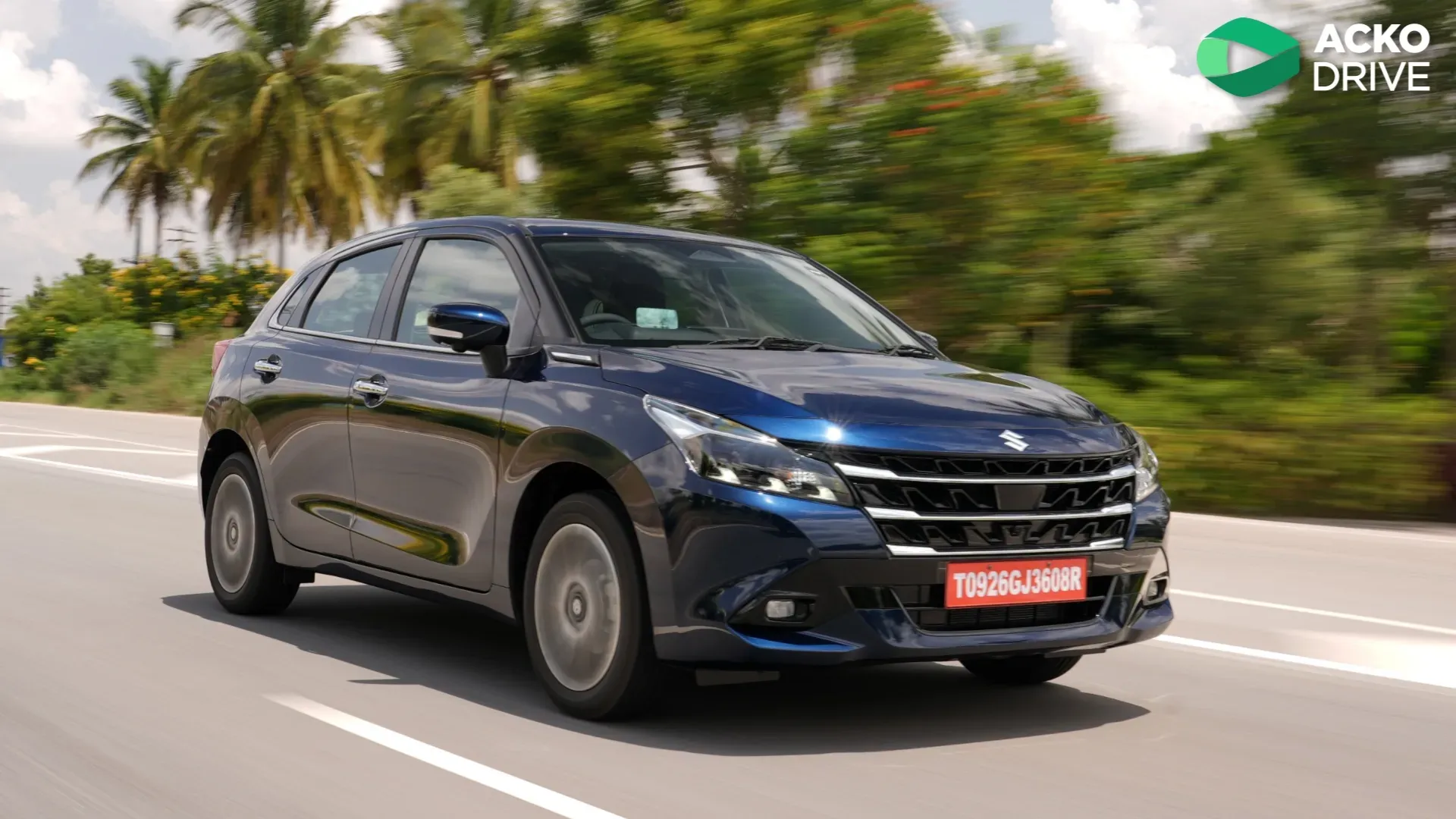
Kia is truly going for the masses with the new Syros EV. Does it succeed? We spent some time with the new sub-4-metre e-SUV to find out.
If you're looking at a budget electric vehicle for around the 15 lakh rupee mark your options have been the Tata Nexon EV, MG Windsor EV, and the Mahindra XUV 3XO EV. Good options but now there's a new competitor challenging that status quo with the Kia Syros EV. This is the South Korean automaker’s most accessible electric offering for India, and its second locally developed e-model after the Carens Clavis EV. Kia is truly going for the masses this time. Does it succeed? We spent some time with the new Syros EV in Bangalore to find out.
Kia Syros EV - Design
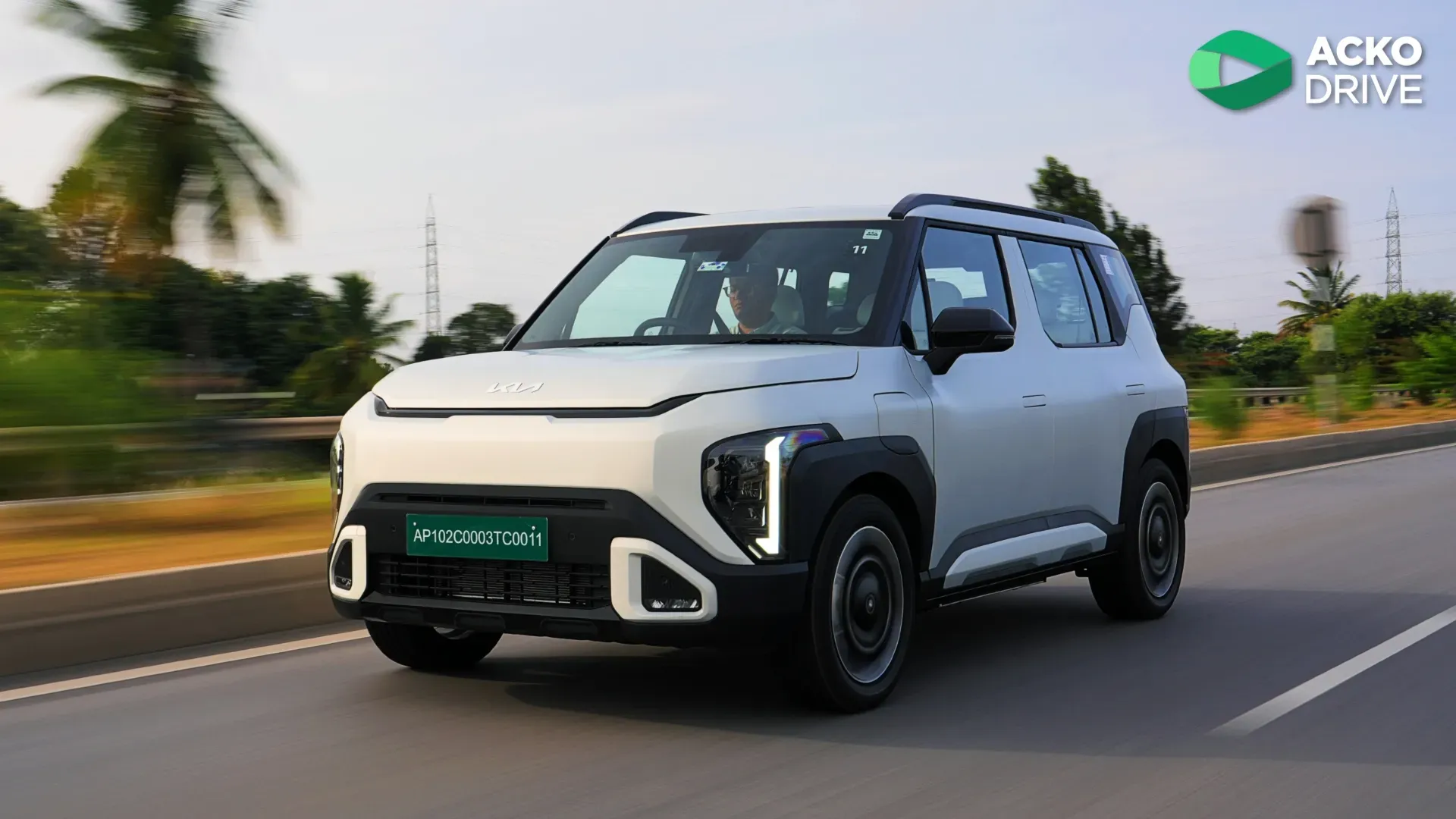
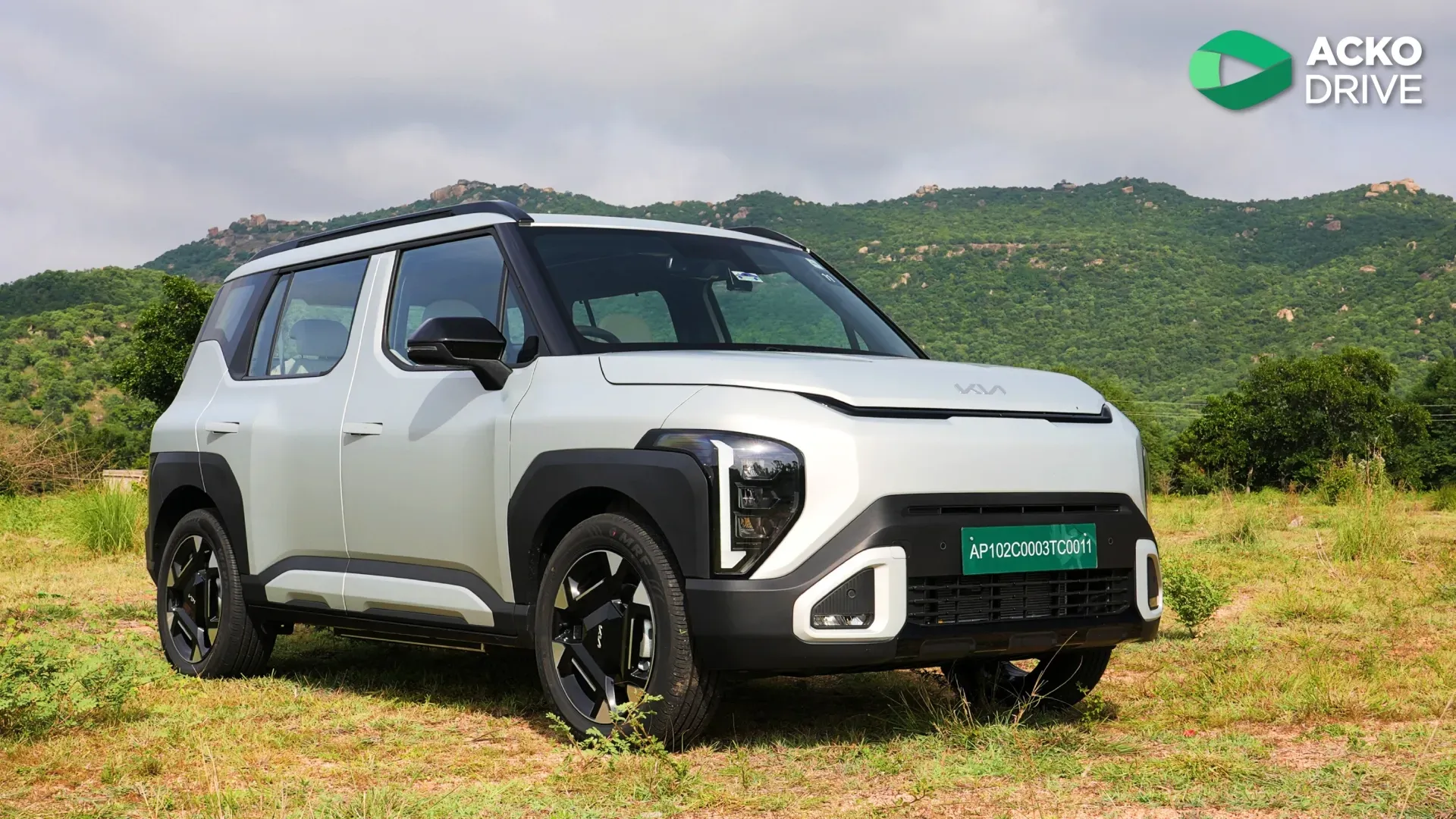
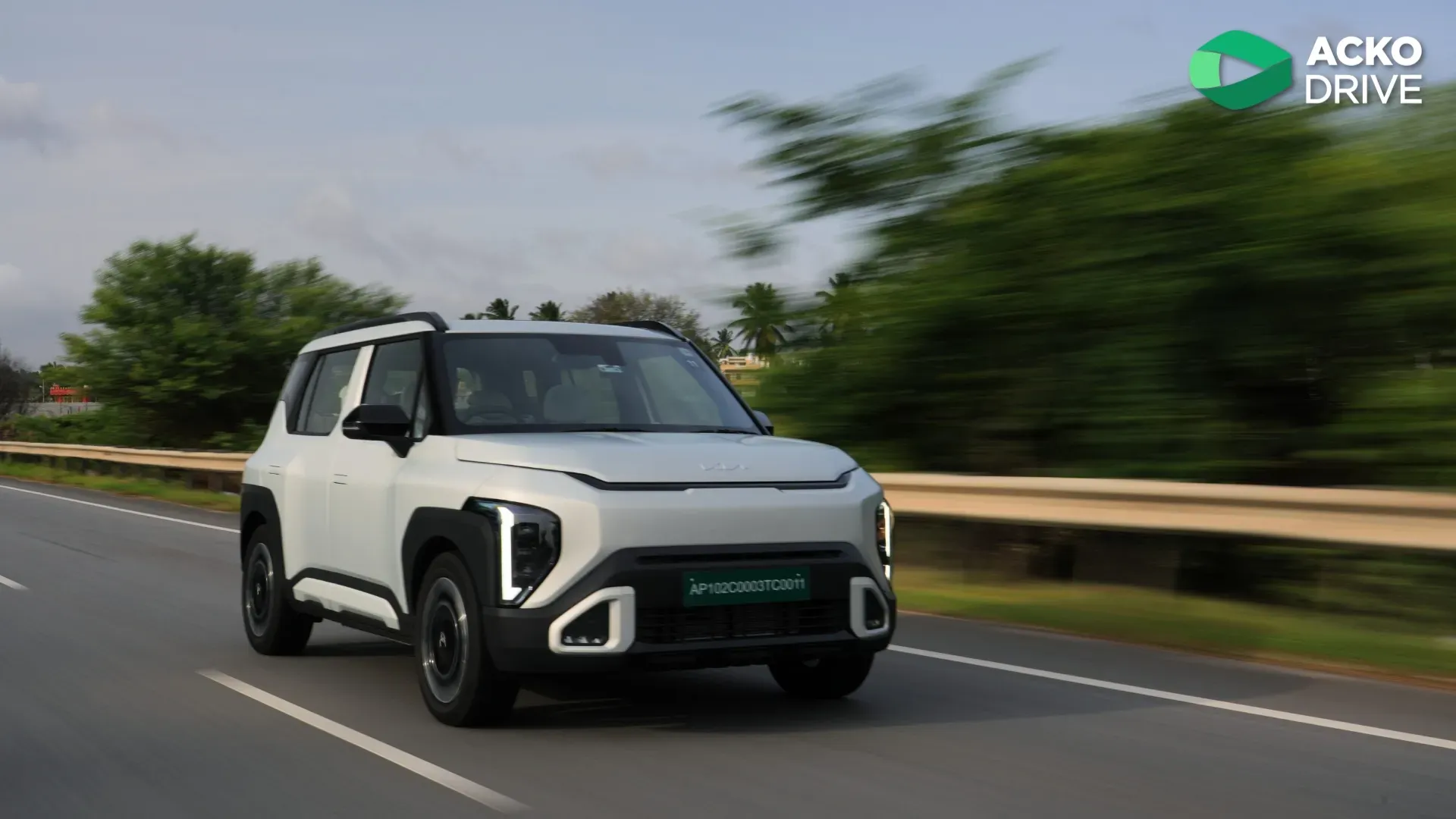
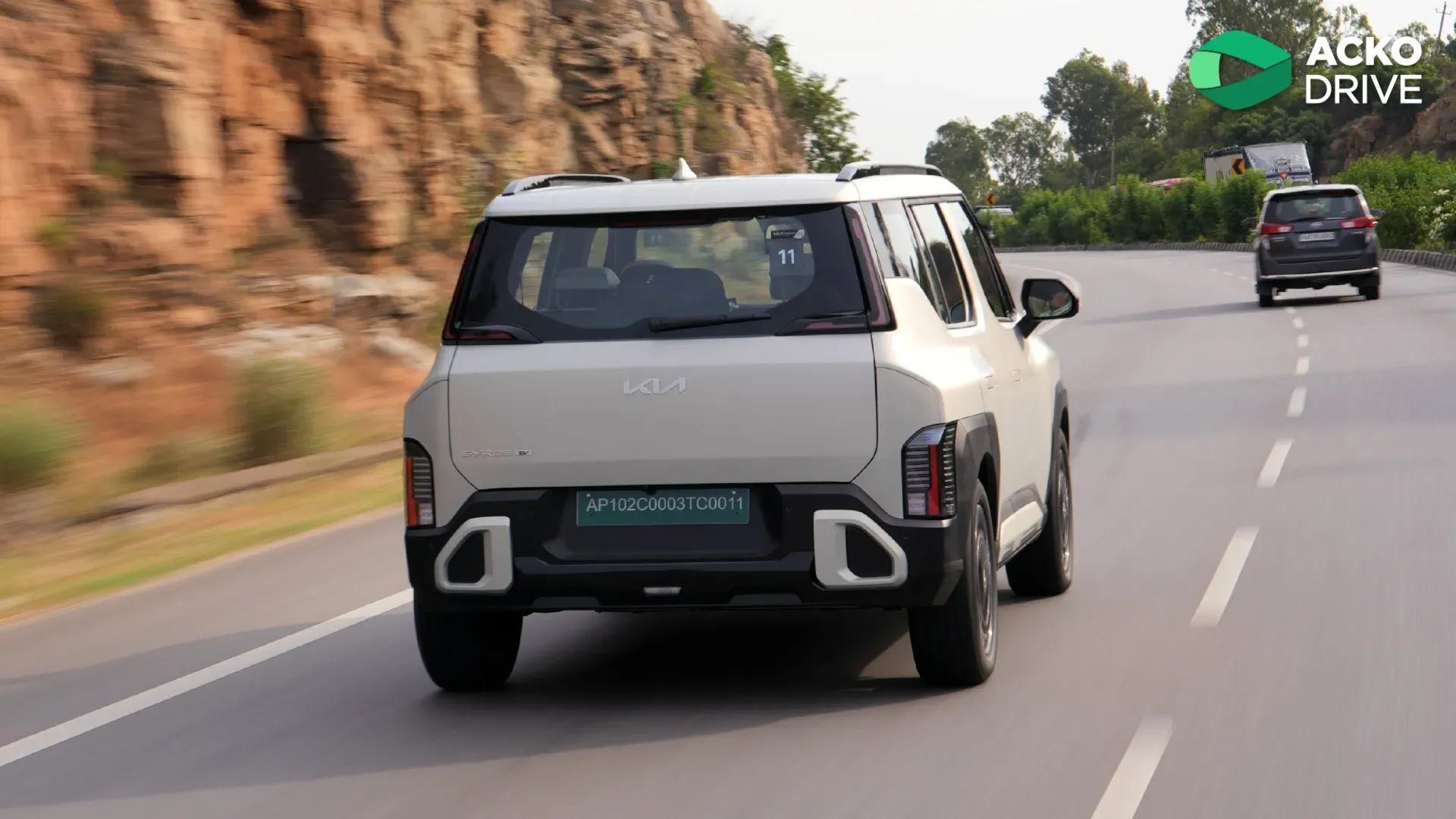
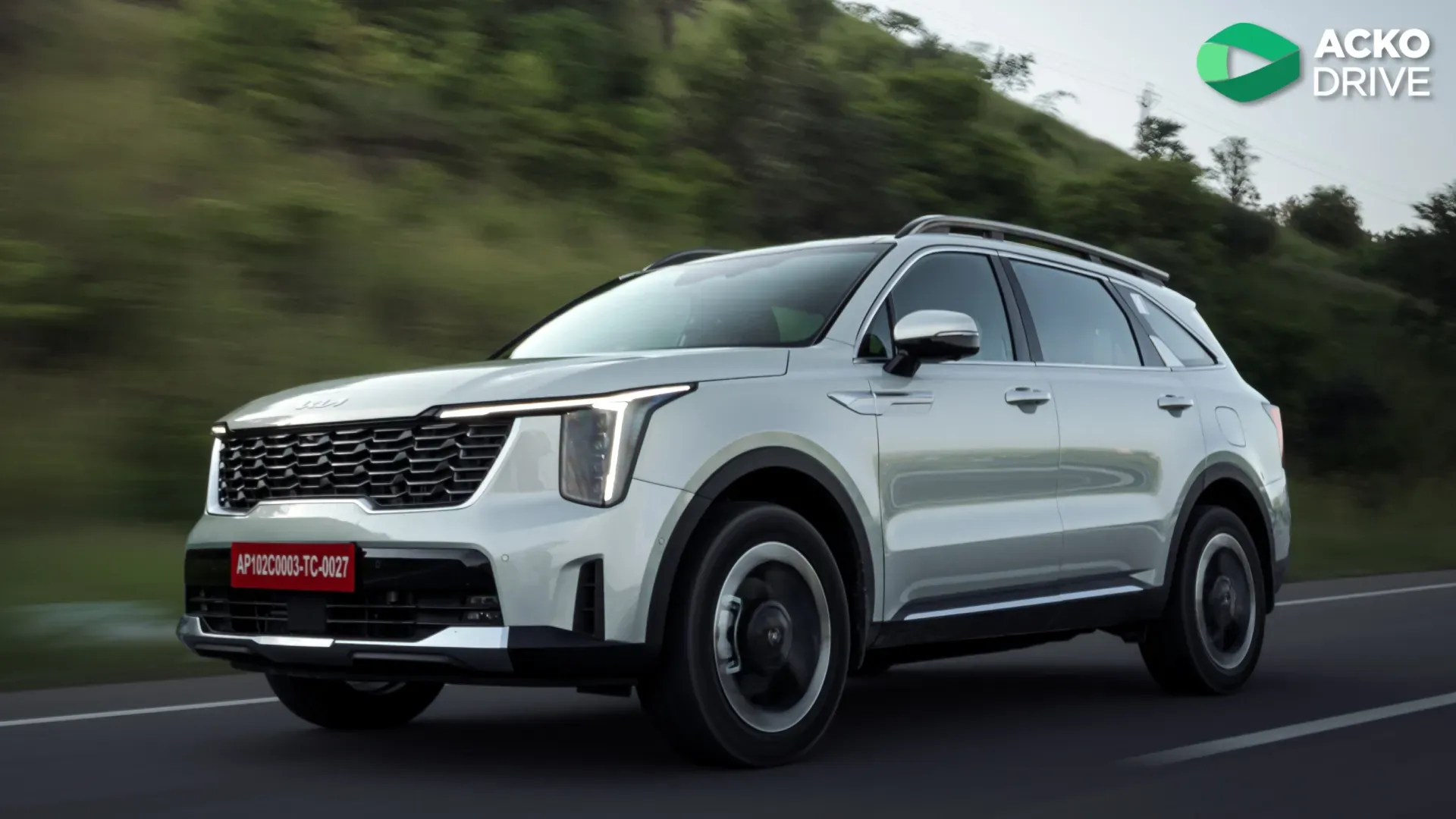
The Syros EV looks identical to its petrol and diesel counterparts. And to be frank, it was always envisioned that way. It's based on the K1 reinforced platform that was supposed to have multiple powertrain options, petrol, diesel, and electric, but not hybrid. Which is why you see the design language is nearly identical. There are no distinctive changes to make it look electric - barring the charging flap on the left fender and the alloy wheels. It is an extension, that way, of the same Syros family.
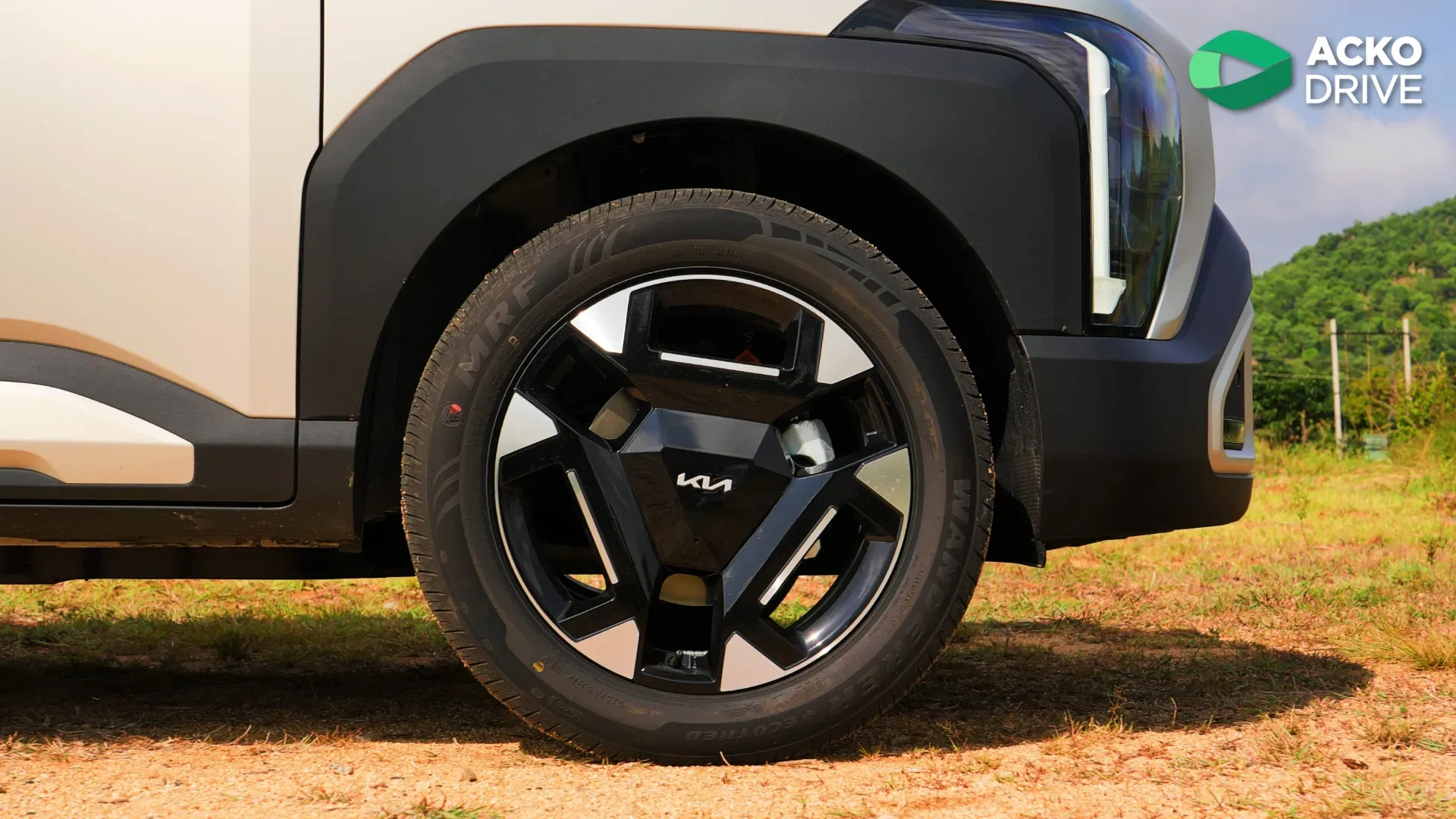
This means you get the new front and rear bumpers with trapezoidal inserts, new gloss black-finished skid plates, LED fog lamps, and a high-mounted LED stop lamp at the rear. The design was always polarising and the electric version gets no respite… The corner LED headlamps, boxy proportions, and flat panels, all scream function over style. Kia has missed out offering neon brake calipers, as on the ICE version, but the new 17-inch alloys do look smart. The colour palette is extensive on the Syros EV with nine monotone colour options, and an X-Line package on the top trim with an all-black finish.
Siddharth did drive the EV2 recently which is Kia's most accessible EV for the European markets. It looks like the Syros but both are very different models. Both have very different platforms, powertrain options and battery packs as well. So the idea was to see some of the quirky bits from the EV2 percolate onto the Syros EV. And I have to say that's really not happened.
Kia Syros EV - Interior
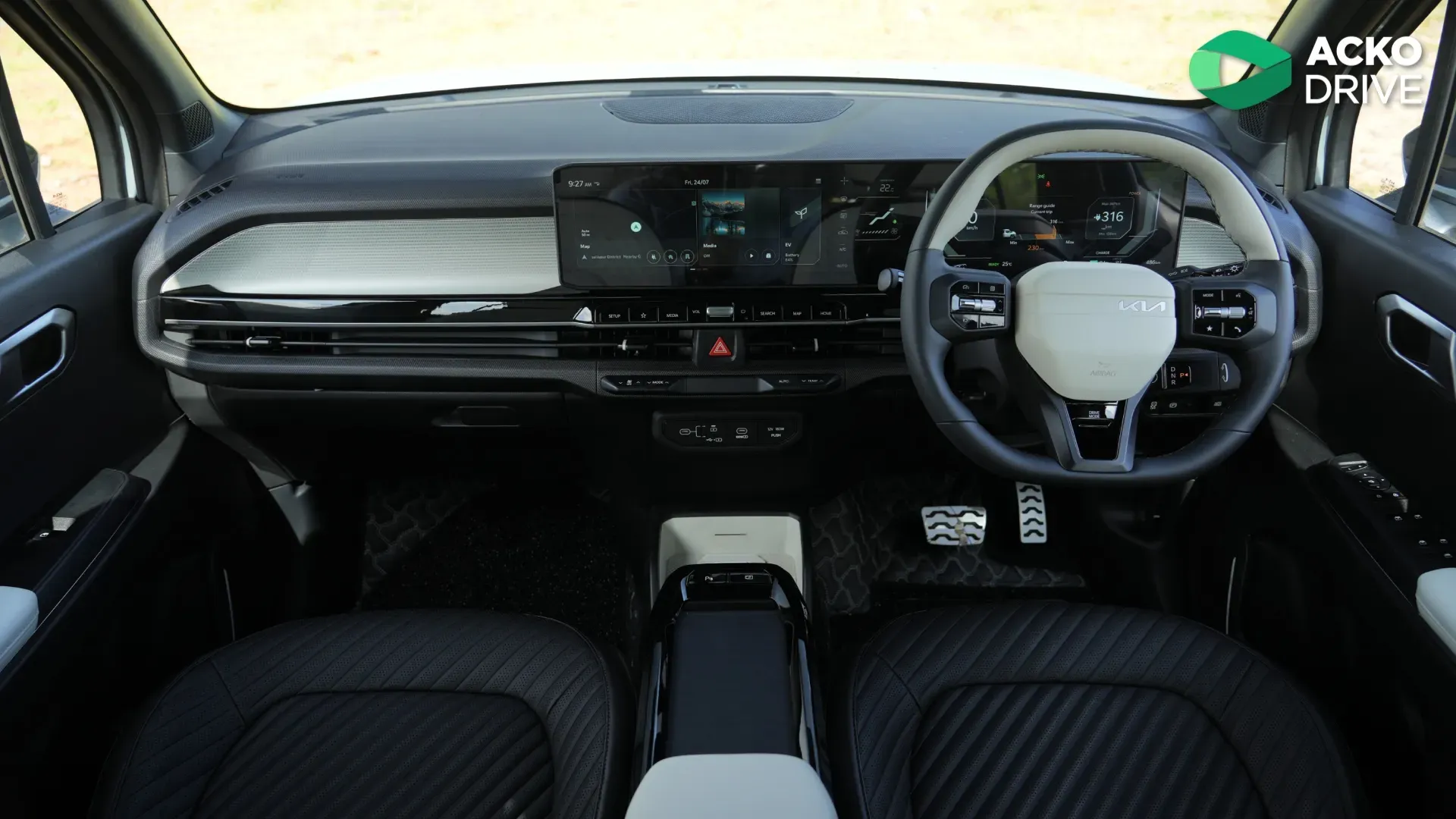
The cabin is near identical to what you see on the petrol and diesel Syros. You get the triple screen layout with a small screen for the climate panel. There are physical buttons for the infotainment system, air conditioning, and for the reverse camera. The steering wheel gets lots of buttons too including a dedicated one for drive modes. I really like what the cabin has to offer. It is quite nice, spacious, and definitely very well-appointed. Quality levels are fantastic. This is a very comfortable cabin in the overall sense - be the seats be the driving position - all of it feels nice. What's totally different though is the centre console. You do not have the gear selector here anymore. That's been moved to the steering column. And that just makes more room here, which is why you have this massive storage space under the floating unit which also gets cup holders and an additional space under the armrest.
On the feature front, it's the X-Line or the top variant that gets all the bells and whistles. You get an electrically adjustable driver’s seat, ventilation for front seats, electrically adjustable ORVMs, and more. We are driving the HTX+, which is the second-to-top variant, and this one does not get Level 2 ADAS or 360-degree camera. Yes, a feature like a 360-degree camera is relegated only to the top variant, which makes the mid trims feel less valuable.
Kia Syros EV - Rear Seat
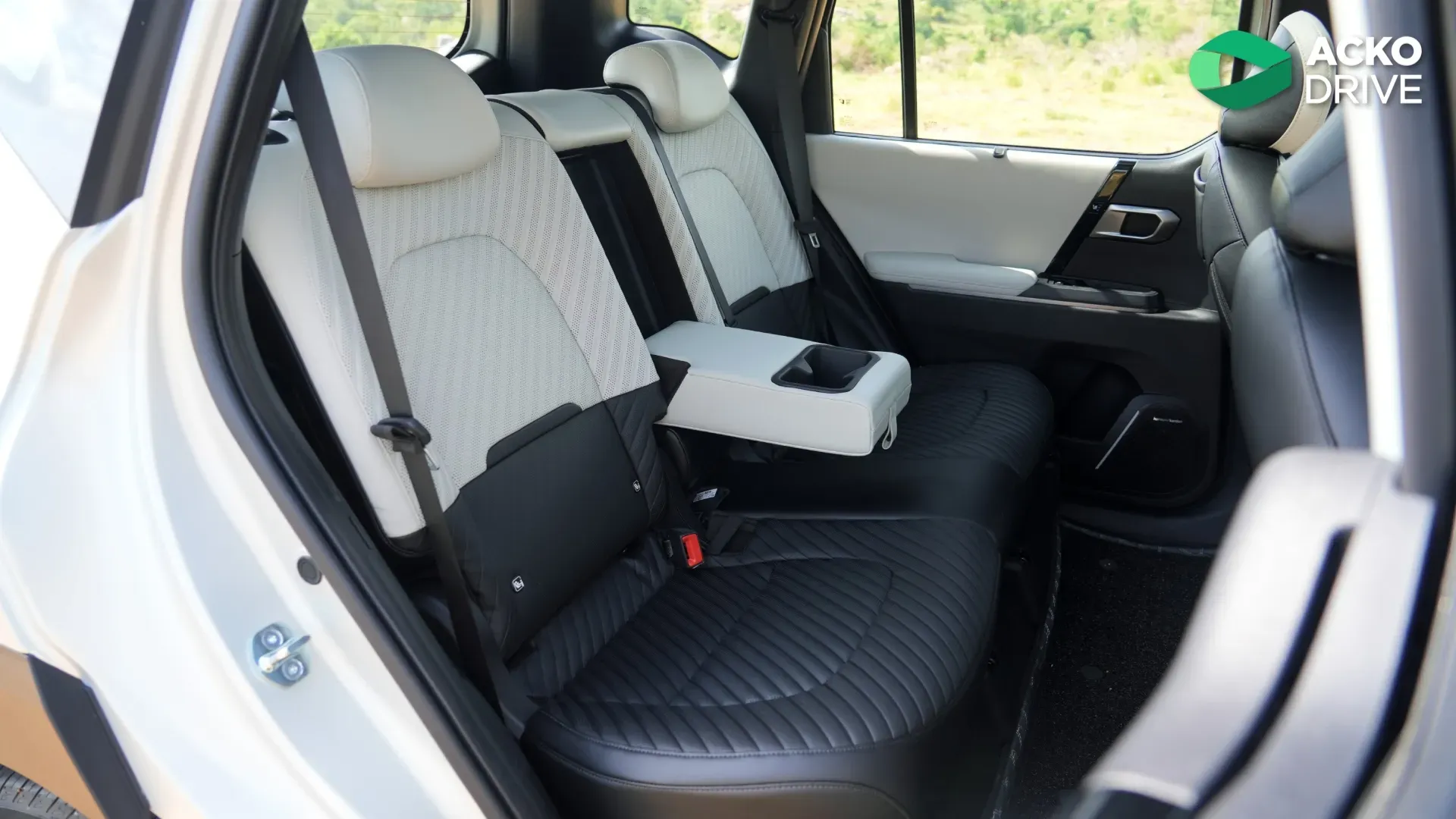
The biggest USP on the Syros has been the cabin space. Just look at that leg room. That continues with the electric version as well. I'm happy to report that this is a massive cabin. I really love the space and the way Kia has done with it. You also get this massive dual pane sunroof which adds to the sense of space. You get sun blinds that you see here and rear ventilated seats which were a segment first and continue with the Syros EV as well. Overall too this is a very comfortable cabin. I have a good view of the road. I sit slightly elevated and under thigh support is still great. You sit slightly knees up compared to the ICE version but even then I think the overall seating position is quite nice. For those who like being chauffeured in this car will continue to do so. You continue to get even sliding and reclining functions, and all of that works really well.
Kia Syros EV - Performance
We are driving the Kia Syros EV extended range version, which means this one makes 169 brake horsepower, while peak torque remains the same at 255 Nm. Power delivery is linear. I think it's very adaptive and very easy to drive. That will be something that will probably resonate with more family buyers in this segment. At the same time, the steering feedback is quite nice. It's light at lower speeds and weighs up nicely at higher speeds. So, when you're driving it in the city, it's easy to maneuver. It has a certain planted feel that I think lets me do higher speeds very confidently.
Kia Syros EV - Ride Quality
The ride quality is plush for the most part and the suspension is softly sprung for a pliant ride… On well-paved roads, the Syros EV will simply glide over undulations with little filtering into the cabin. The battery pack placed under the floorboard adds to a lower centre of gravity and a more stable feel. The one thing that Kia has worked upon is the rear suspension. It bounced a lot on the ICE version. and here the compression in that sense has been improved. So it's not as discomforting as that version was, but yes, there is still a lot of vertical movement overall.
Kia Syros EV - Handling & Braking
The tall stance does not make the Syros EV a corner carver but it is fairly planted at high speeds. A sharp corner will unsettle the car, unlike the Sonet within Kia’s lineup in the same space. There is body roll on a sharp bend but nothing too dramatic. Braking is sure-footed and the bite at the pedal is progressive with the Syros EV coming to a halt with confidence.
Kia Syros EV - Range & Charging
Kia claims a range of 526 km on the extended range version, which is the segment-best so far. The Syros EV employs the biggest battery pack over rivals at 51.4 kWh on the extended range version, giving it a significant edge, and a highly usable real-world range. The standard model gets a more modest 42 kWh battery pack that promises 443 km (MIDC) on a single charge. This is, in fact, closer to what the Tata Nexon EV makes with a 45 kWh battery pack. Kia is offering a lifetime battery warranty (15 years) on both battery packs.
Kia Syros EV Battery Packs
Variants
Prices (Ex-Showroom)
42 kWh
HTK
₹13.50 Lakh
HTK+
₹15 Lakh
51.4 kWh
Extended Range
HTK+ ER
₹16 Lakh
HTX ER
₹18 Lakh
HTX+ ER
₹19.50 Lakh
X-Line ER
₹20 Lakh
BAAS Prices Start At
₹7.99 Lakh + ₹3.3 per km
Kia Syros EV - Prices & Rivals
From a value perspective, the Syros EV hits it right out of the park. When viewed as a standalone offering, Kia has a competitive starting price at ₹13.50 lakh, going up to ₹20 lakh (ex-showroom). There is also a Battery-as-a-Service (BaaS) option with prices starting at ₹7.99 lakh + ₹3.3 per km. But then, its biggest challenger is the Tata Nexon EV, which is priced more competitively. It’s also the more popular choice, having proven its mettle in the market for longer. For buyers looking at a budget EV, they save a good ₹2.5 lakh on the Nexon EV over the top-spec Syros EV, which is a significant margin.
At nearly 20 lakh rupees for the top-end version, the Syros EV overlaps on to bigger cars such as the Tata Sierra EV, Curvv EV, and Mahindra BE 6 with their respective lower variants. Even the MG Windsor Pro works out to be more affordable over the top-spec Syros EV.
Kia Syros EV - Verdict
The packaging for the Kia Syros EV is on point and it’s easily one of the best EVs under the four-metre mark. With an industry-leading buyback programme of up to 80 per cent after 3 years, the Kia Syros EV just might return more value over rivals in the long run. Add that to a practical cabin and range, and the status quo definitely appears to be shaken in the segment, looks notwithstanding.
A petrolhead with a penchant for travelling far and wide, I like my wheels - two and four - and sometimes even more. When not behind the wheel, you'll find behind the dining table gorging on some delicious cuisines.