

Exports crossed 7,00,000 units for the first time as the company's revenue climbed 37 per cent year-on-year to ₹17,244 crore.
Bajaj Auto reported its strongest quarterly performance on record for the three months ended June 2026, with standalone revenue rising 37 per cent year-on-year to ₹17,244 crore as electric vehicles climbed to nearly 30 per cent of the Pune-based company's domestic business.
Profit after tax rose 42 per cent to ₹2,983 crore, while EBITDA grew 45 per cent to over ₹3,596 crore, taking margins to 20.9 per cent — an improvement of 110 basis points over the same quarter last year. The company attributed the gains to favourable currency realisation, a richer product mix, and cost discipline, which it said offset a sharp rise in input costs.
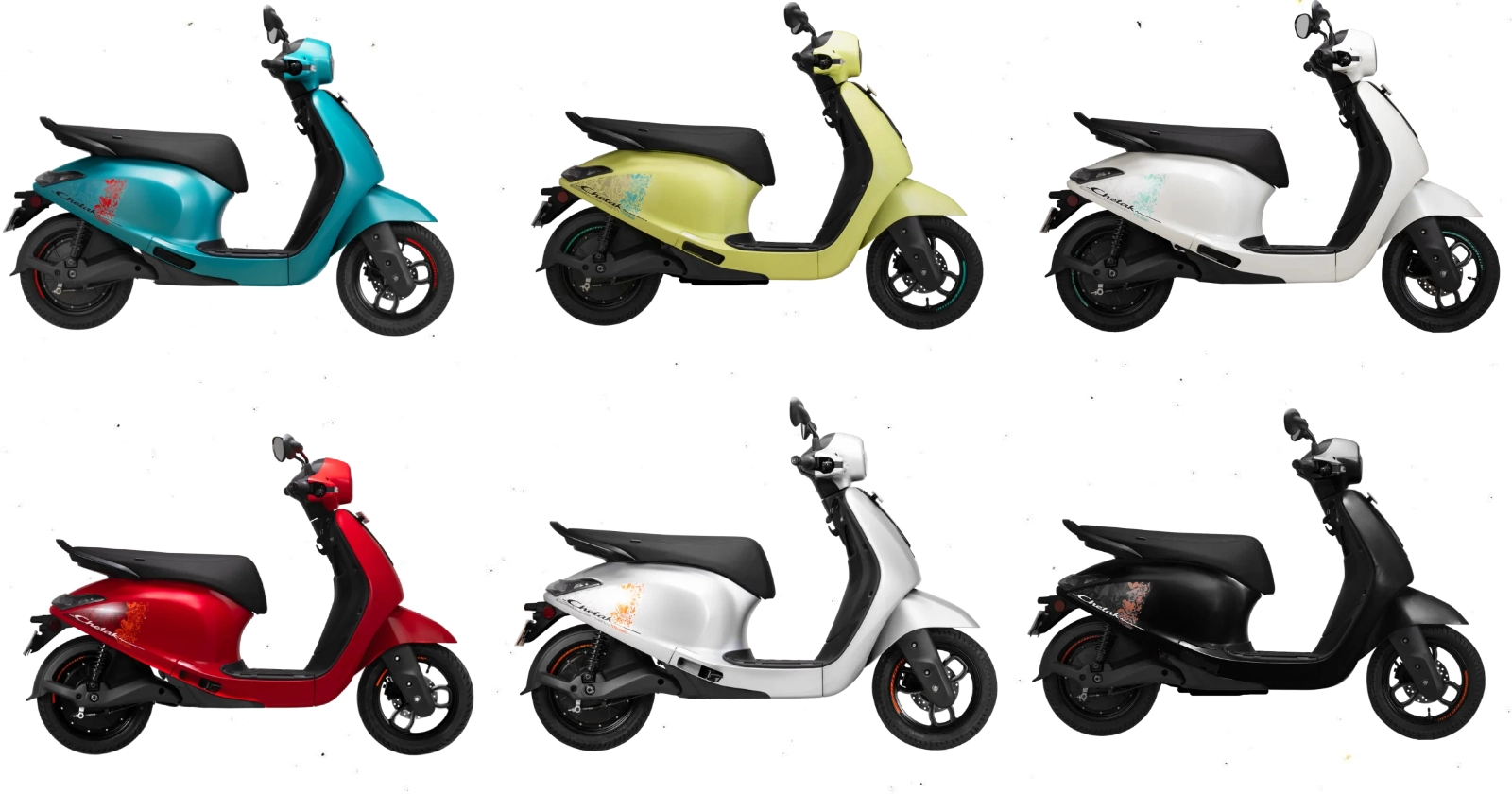
The results underline how electrification is reshaping Bajaj's business at a pace few Indian manufacturers have matched. Domestic EV revenue nearly doubled year-on-year even as tight capacity constrained further growth, the company said, with demand for its Chetak scooter continuing to outstrip supply. Bajaj is investing to expand production of the Chetak, a move it expects will also support its push into international EV markets.
Exports emerged as a standout in the quarter, crossing 700,000 units for the first time and posting the company's best-ever quarterly performance on this front. Two-wheeler exports rose 52 per cent year-on-year, with Africa registering more than double last year's volumes — led by a threefold jump in Nigeria — while commercial vehicle exports grew 69 per cent despite logistical and geopolitical disruptions in the Middle East and North Africa region.
On the domestic front, overall volumes grew 11 per cent to 706,078 units, with both two-wheelers and three-wheelers contributing to growth across petrol and electric powertrains. The sports motorcycle segment was a bright spot, with retail growth of 1.5 times the industry average; the Pulsar, Avenger and Dominar ranges all posted double-digit growth, and Bajaj said upcoming updates to its 125-160cc motorcycles are intended to build on recent market share gains.
The KTM and Triumph portfolios also strengthened, with domestic revenue up 60 per cent, helped by demand for the shared 350cc platform and Triumph's new Tracker 400. The KTM-Triumph retail network has now expanded to more than 90 towns.
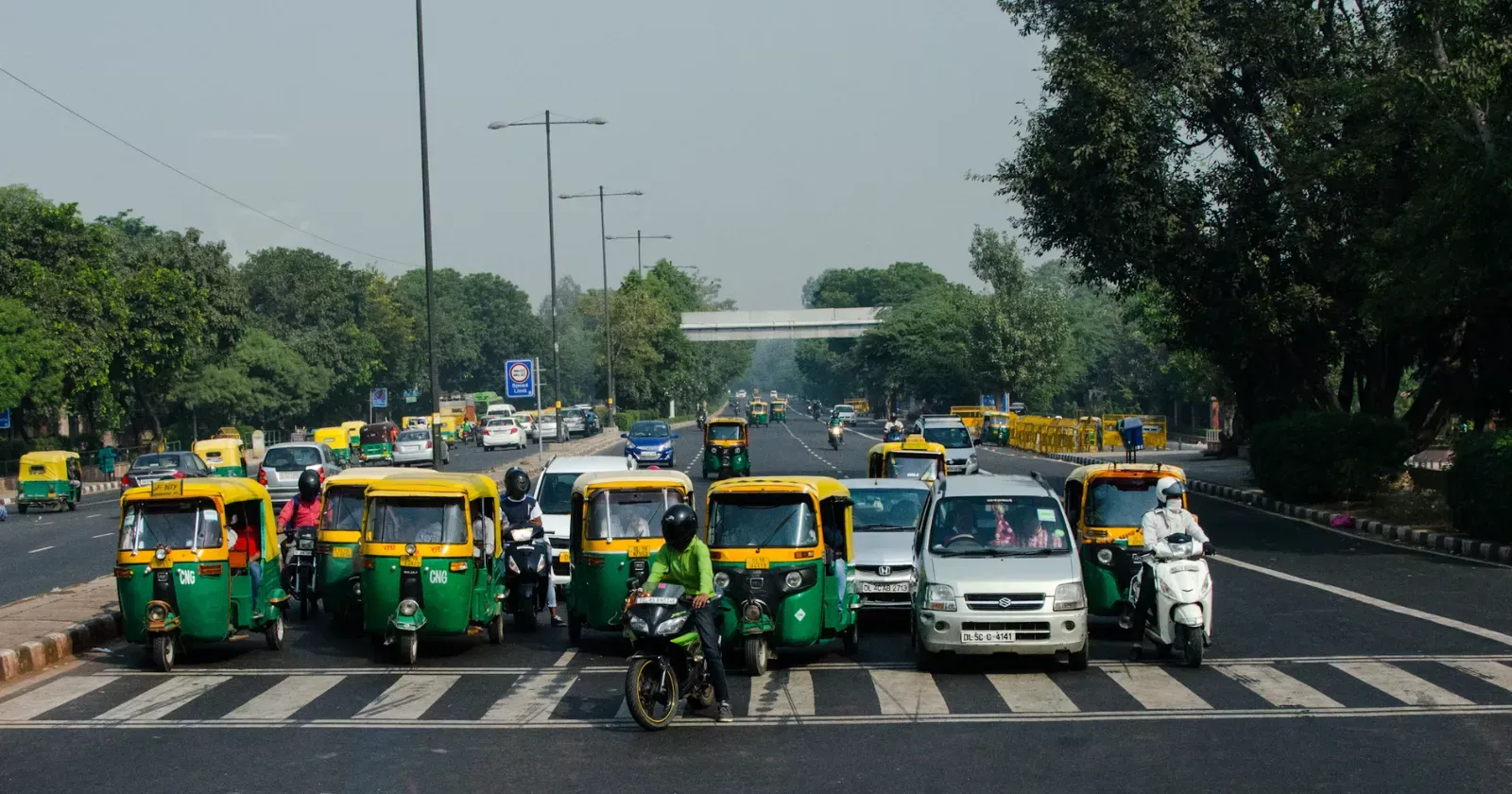
In commercial vehicles, Bajaj said it retained leadership in the electric three-wheeler L5 category, where revenue grew nearly 80 per cent, bringing the electric segment close to two-thirds the size of its traditional petrol-powered three-wheeler business. The company is expanding capacity and has also widened the reach of its Riki e-rickshaw brand to 150 cities.
Free cash flow generation stood at more than ₹2,300 crore for the quarter, representing an 80 per cent conversion of profit after tax. Bajaj closed the quarter with surplus funds exceeding ₹21,000 crore, which it said would support continued investment in capacity and new growth areas.
The numbers arrive at a moment when Indian two-wheeler makers are being closely watched for how quickly they can scale electric volumes without ceding ground in their traditional petrol business — a balance Bajaj's latest results suggest it is managing more successfully than most.