

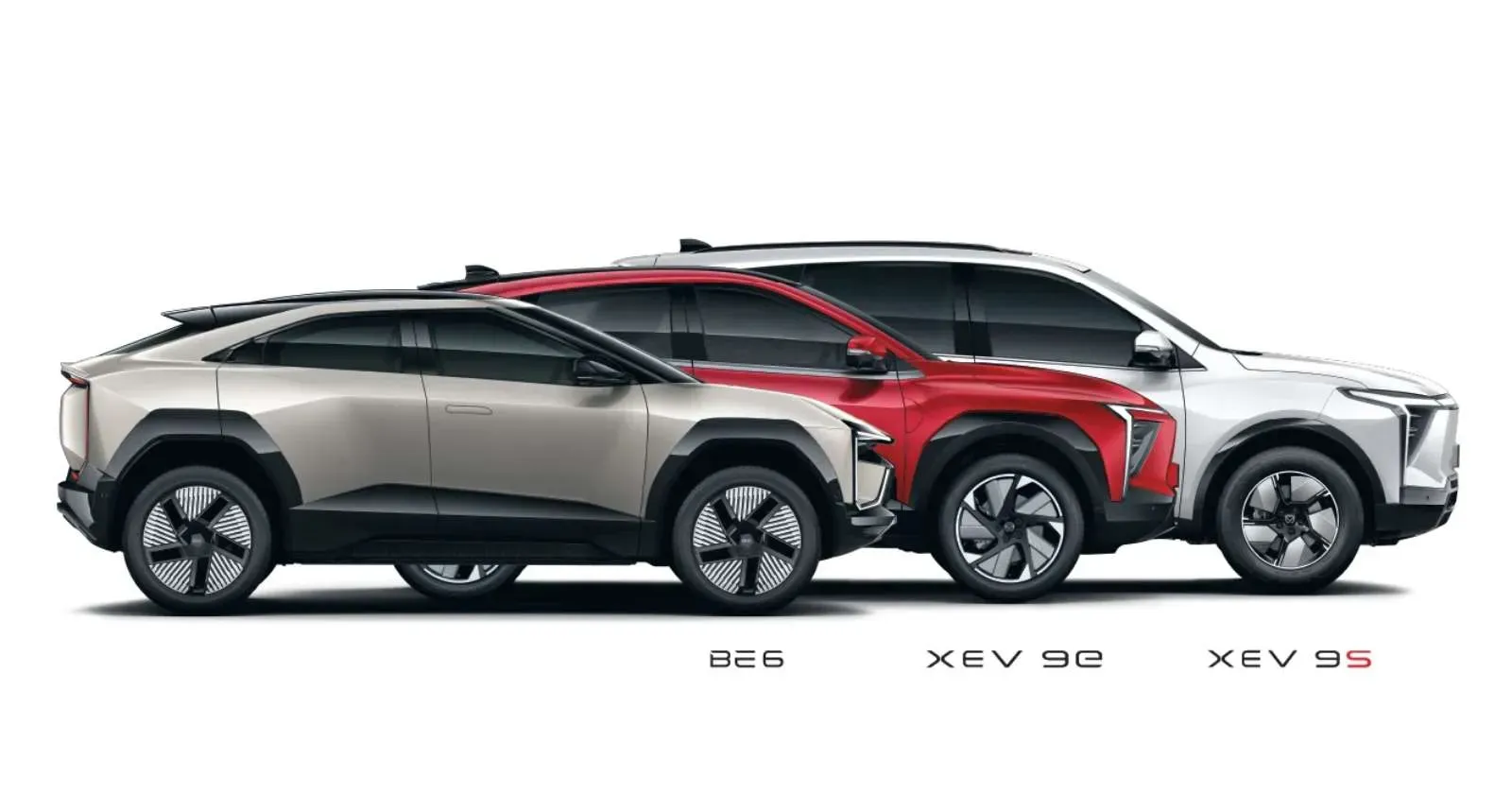
The finance option, first offered on the BE 6 Sporteq, now lets buyers separate battery cost from the vehicle price across Mahindra's "electric origin" SUV range.
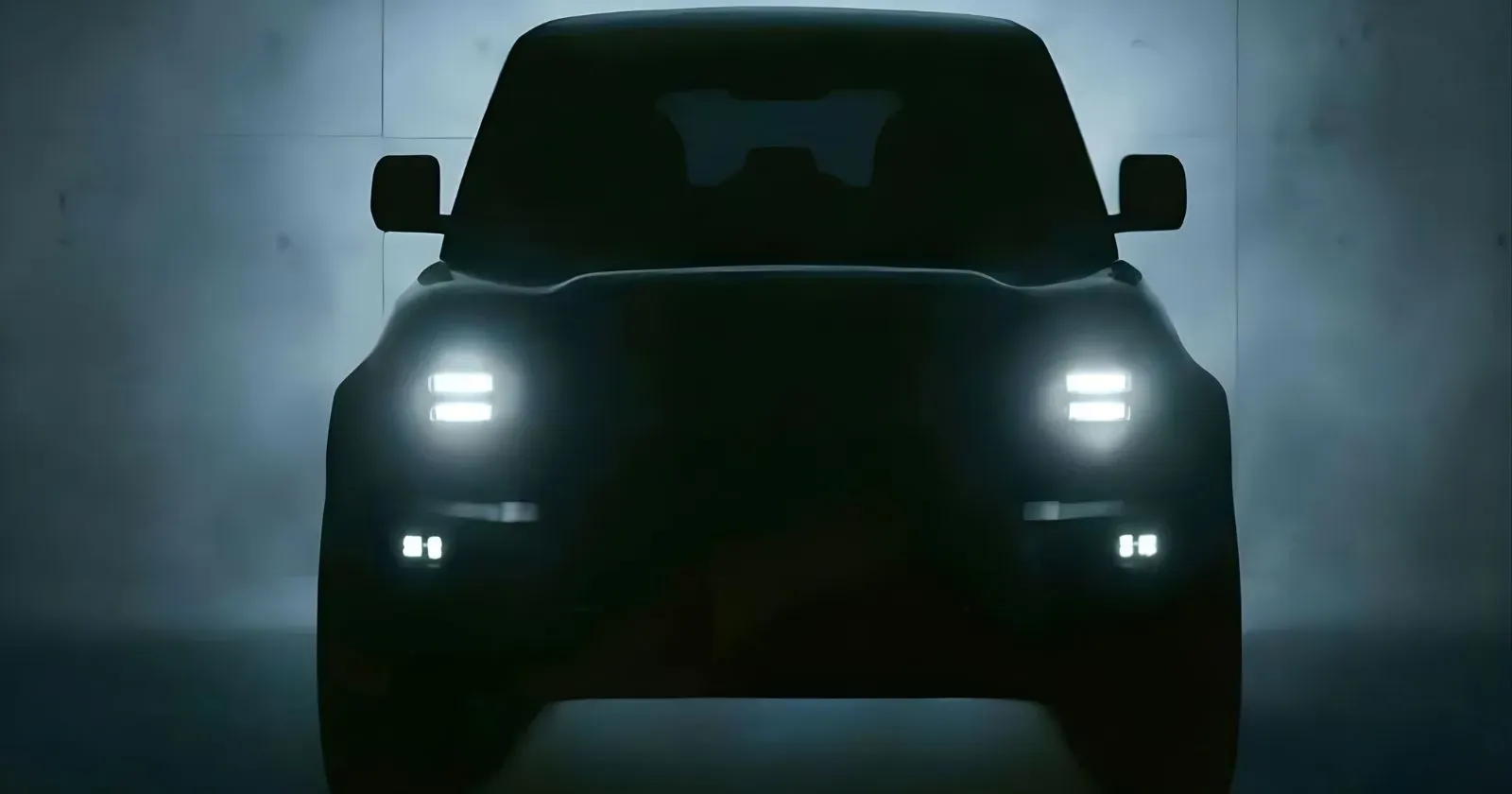
Mahindra & Mahindra has extended its Battery-as-a-Service (BaaS) programme to the XEV 9S and XEV 9e, the company said on Thursday, widening a finance option that had until now been limited to the BE 6 Sporteq. The move brings all three Electric Origin SUVs under a scheme that separates the cost of the battery from the vehicle itself, lowering the upfront price for buyers willing to take on a separate battery loan.
Under BaaS, Mahindra says the XEV 9S will be available from ₹12.65 lakh and the XEV 9e from ₹13.90 lakh, with the battery financed at an effective usage cost of ₹3.75 per km in both cases. Those figures mirror the terms Mahindra introduced with the BE 6 Sporteq, which starts at ₹11.45 lakh under the same scheme — roughly ₹8 lakh below the vehicle's price with full battery ownership.
The arrangement works as a dual-loan structure rather than a literal pay-per-use rental: buyers take one loan for the car and a separate, longer-tenure loan for the battery, with monthly instalments calculated on an assumed usage of 60 km per day. That works out to a minimum battery payment of roughly ₹6,750–7,000 a month regardless of how far the car is actually driven, meaning the savings are most pronounced for buyers who use the vehicle moderately rather than intensively.
Mahindra has pitched BaaS as a way to draw hesitant buyers into electric SUVs by softening the initial outlay, which remains a key barrier to EV adoption in India despite falling battery costs. The company has gained ground in the segment this year: its e-SUV sales rose sharply through the first half of 2026, lifting its share of the electric passenger vehicle market to roughly a fifth, driven chiefly by the XEV 9S and XEV 9e.
That growth still trails Tata Motors, which continues to lead the electric passenger vehicle market by a wide margin on the strength of the Nexon EV, Curvv EV and the newer Harrier EV. JSW MG Motor, powered largely by the Windsor EV, holds the next-largest share, with Hyundai's Creta Electric and Maruti Suzuki's e Vitara also competing for buyers in the sub-₹25 lakh bracket that BaaS is designed to open up.
By untethering the battery from the sticker price, Mahindra is betting that a lower entry point will do more to shift buyers than incremental range or feature upgrades. Whether the scheme meaningfully expands the company's customer base, or simply shifts the cost to a longer repayment tenure, will become clearer as more buyers opt in and Mahindra reports subsequent sales figures.